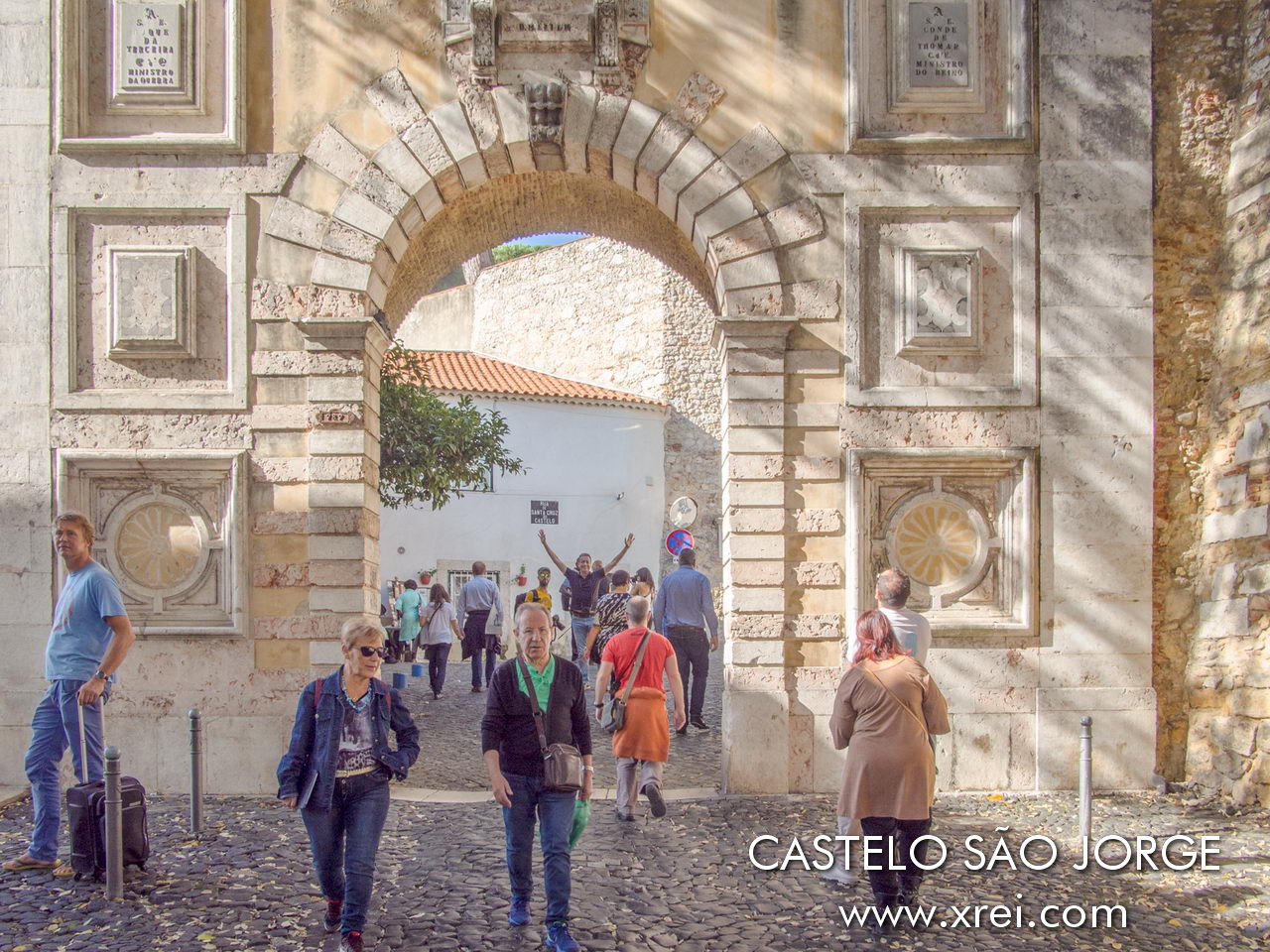
Arco do Castelo de São Jorge, entrance to the Castelo neighbourhood on Rua do Chão da Feira, Alfama, Lisbon
Castelo
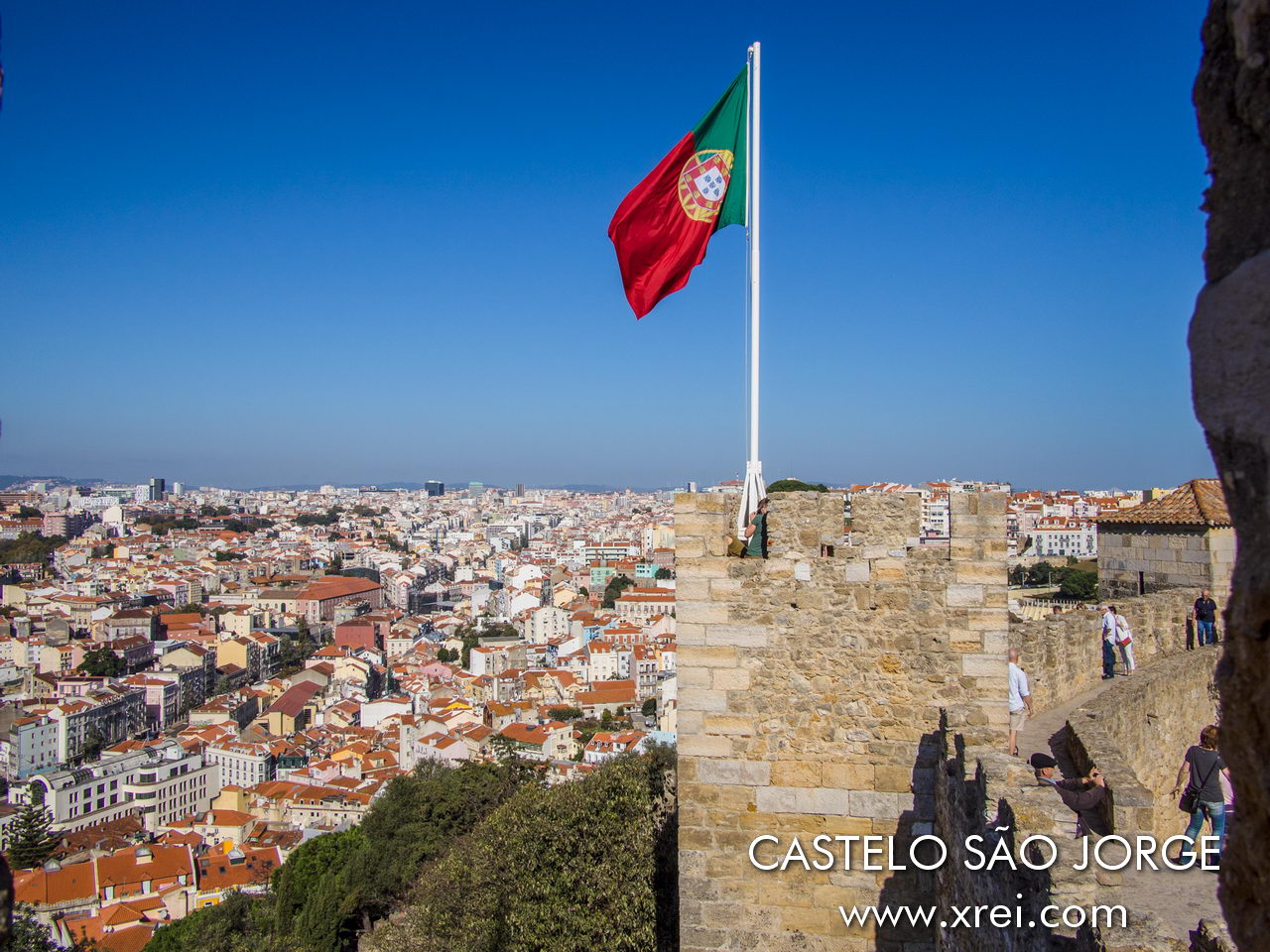
The Castelo neighbourhood is one of the most distinguished and well-known historic neighbourhoods in Lisbon, with one unique characteristic: it has only one entrance and one exit. In this neighbourhood, it is possible to travel back to medieval Lisbon by wandering through the narrow, winding and labyrinthine streets and alleyways that survived the earthquake of 1 November 1755. Despite its small area, the Castelo neighbourhood has a life of its own, with shops, apartments, hotels and cultural spaces. Lisbon was born at the Castelo de São Jorge, which is currently the most visited monument in the country. The Castelo de São Jorge is an outstanding viewpoint in the Portuguese capital. From the Castelo de São Jorge it is possible to look out in detail over several areas of the city, including Alfama, Graça, Chiado, Carmo, Avenida da Liberdade and Mouraria. The Castelo neighbourhood is highly sought after by foreigners as a place to live, owing to the typical local community spirit it still maintains, its safety and its tranquillity.
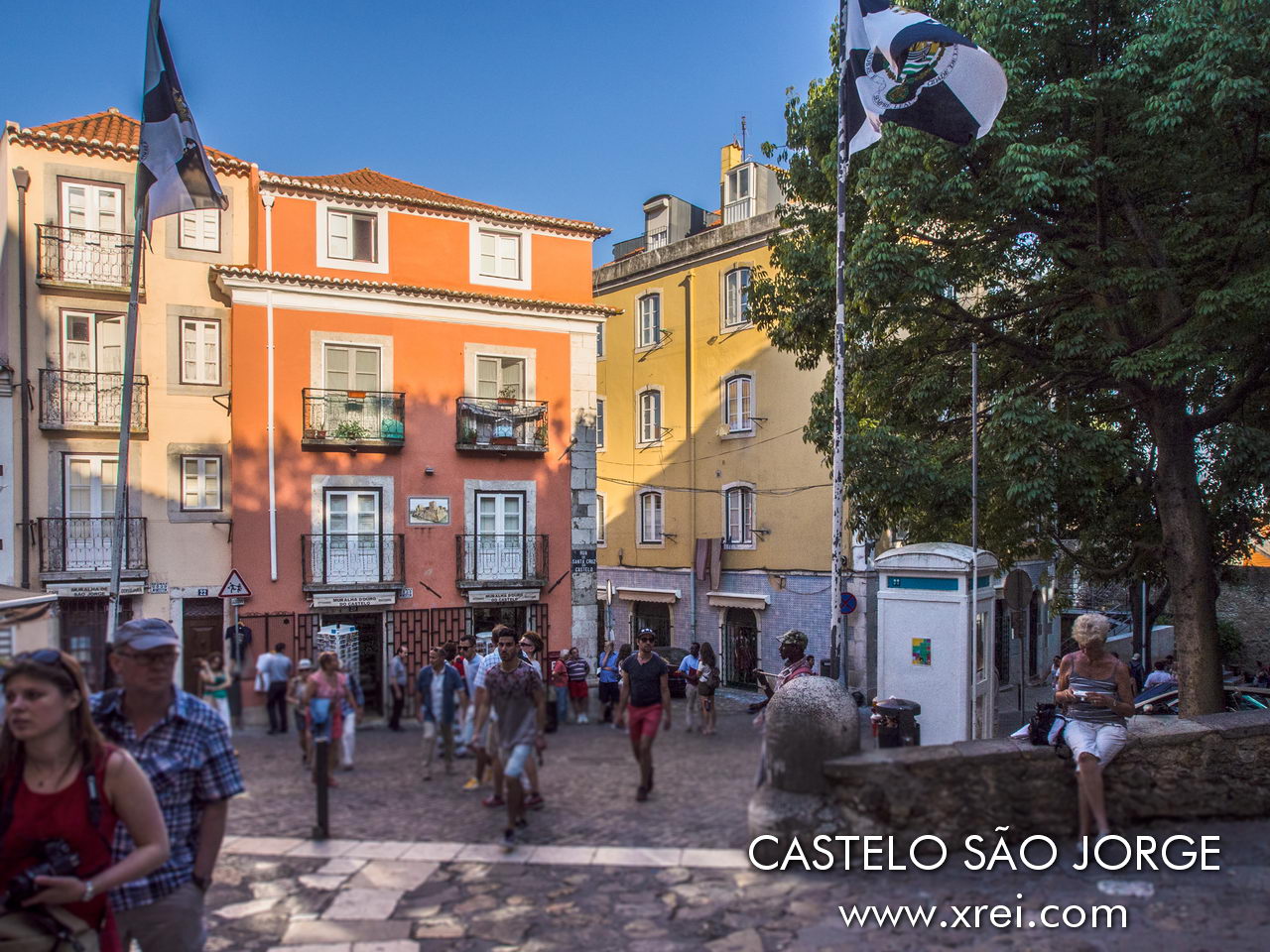
Streets of the Castelo neighbourhood in front of the entrance to the Castelo de São Jorge
Building declared municipal heritage. The Castelo neighbourhood and the surrounding neighbourhoods decorate their streets during Lisbon's popular festivals. The residents of these neighbourhoods are the great devotees of the Lisbon festivals, and it is in these neighbourhoods that the festivities take place.
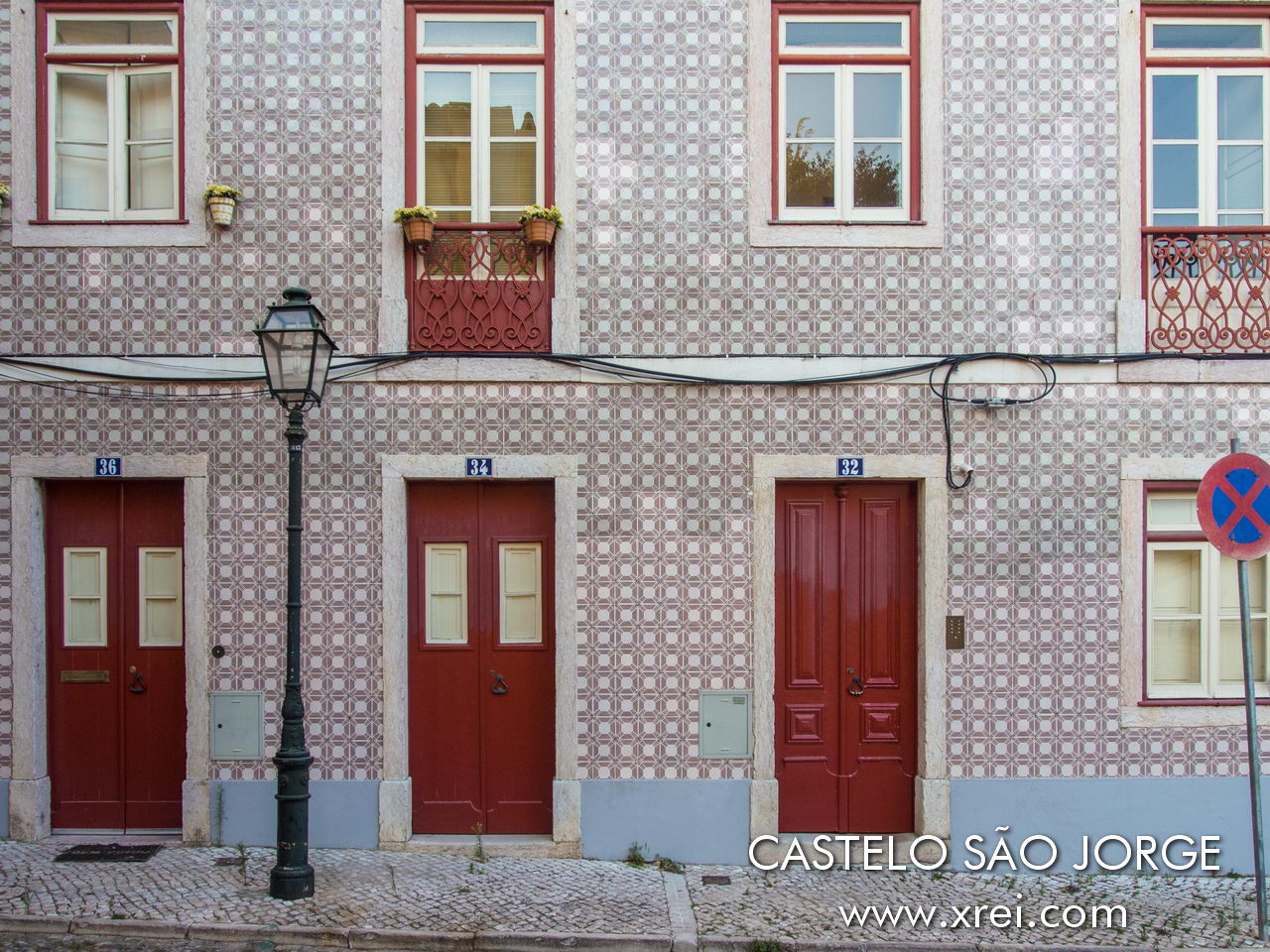
Noble architecture building in the Castelo neighbourhood, with tall doors and an azulejo-tiled façade
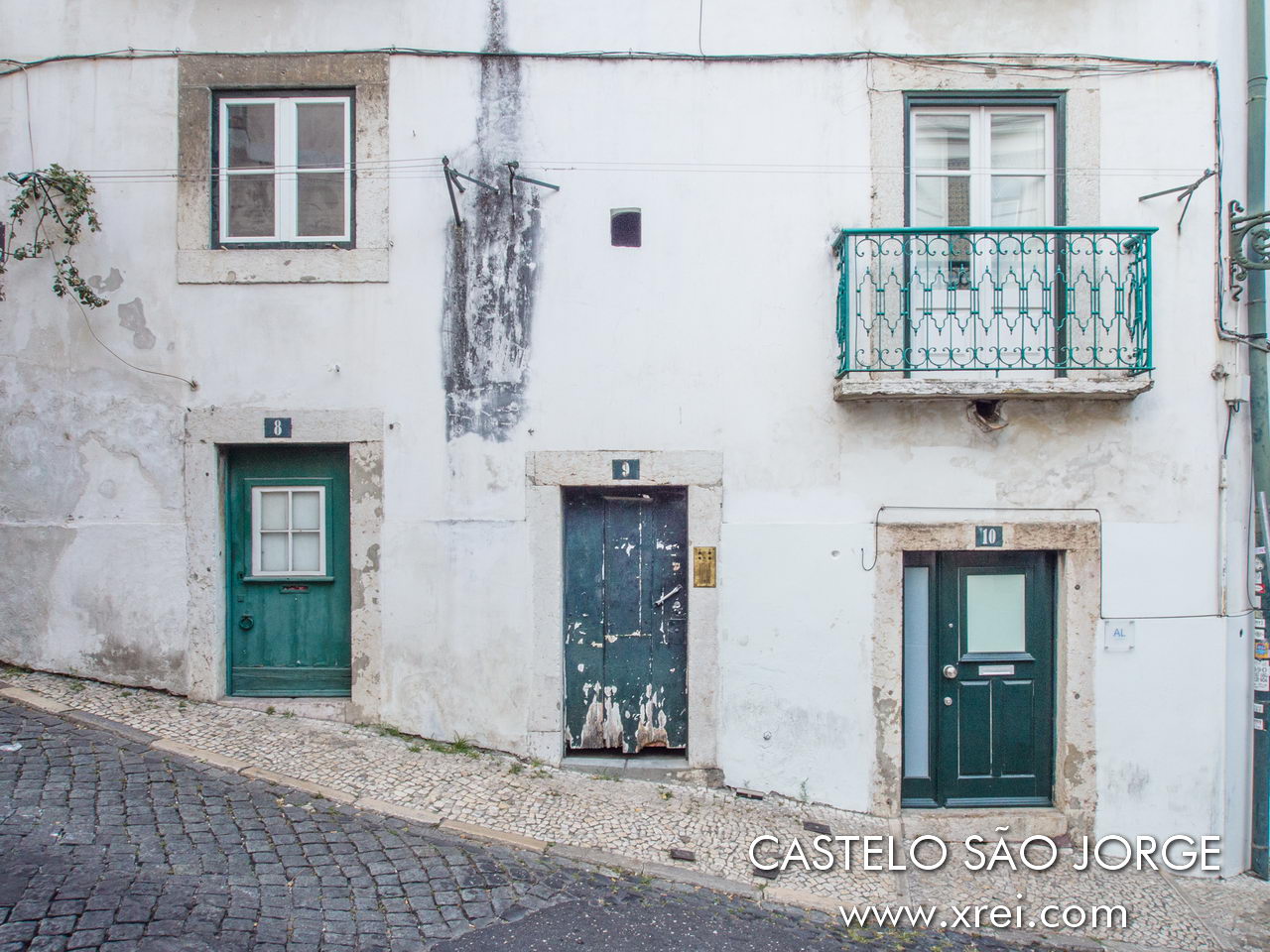
Building constructed on a sloping street in the Castelo neighbourhood.
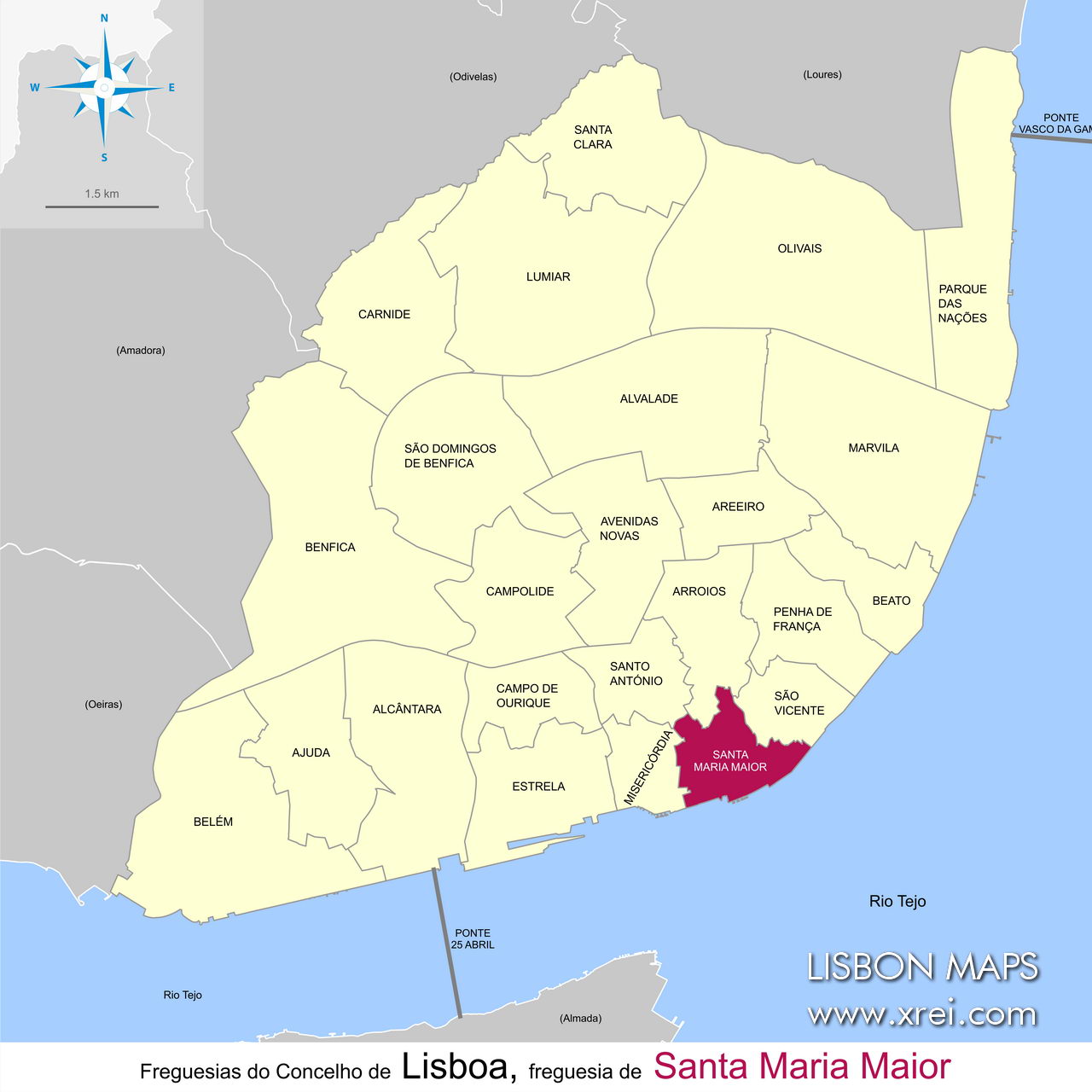
The Castelo is administered by the Junta de Freguesia de Santa Maria Maior.
Places to visit in the Castelo neighbourhood
Castelo de São Jorge
Statue of São Jorge, situated at the entrance to the Castle. The name São Jorge was chosen by King D. João I in the 14th century to christen the then Castelo de Lisboa, as he was regarded as the warrior saint, patron of knights and soldiers.
Statue of D. Afonso Henriques situated at the entrance to the Castelo de São Jorge, in the castle garden, next to the viewpoint
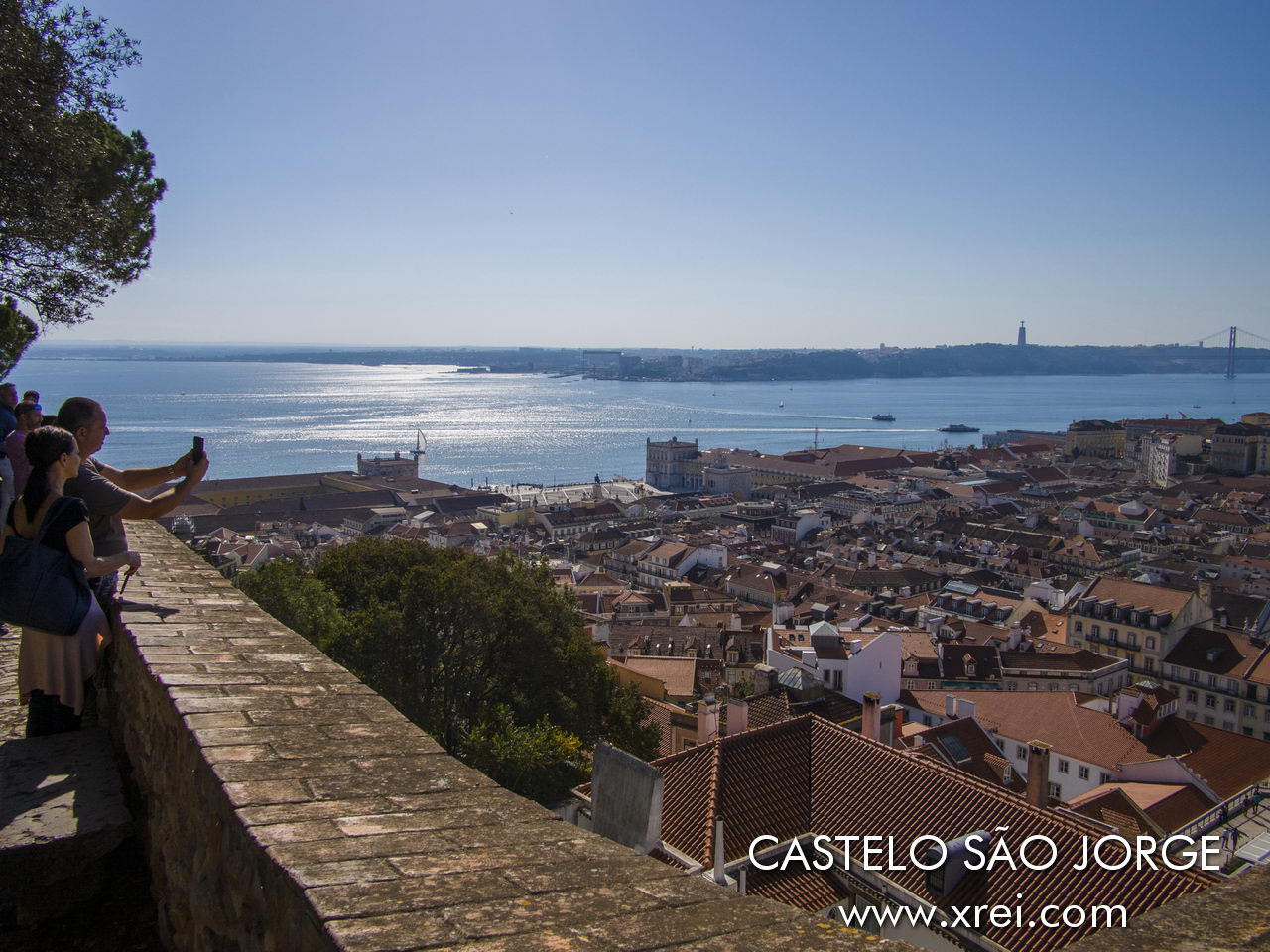
South-west view from the Castelo de São Jorge, with the Tagus River, the 25 de Abril Bridge, the lower city of Lisbon, the boats on the river and the south bank
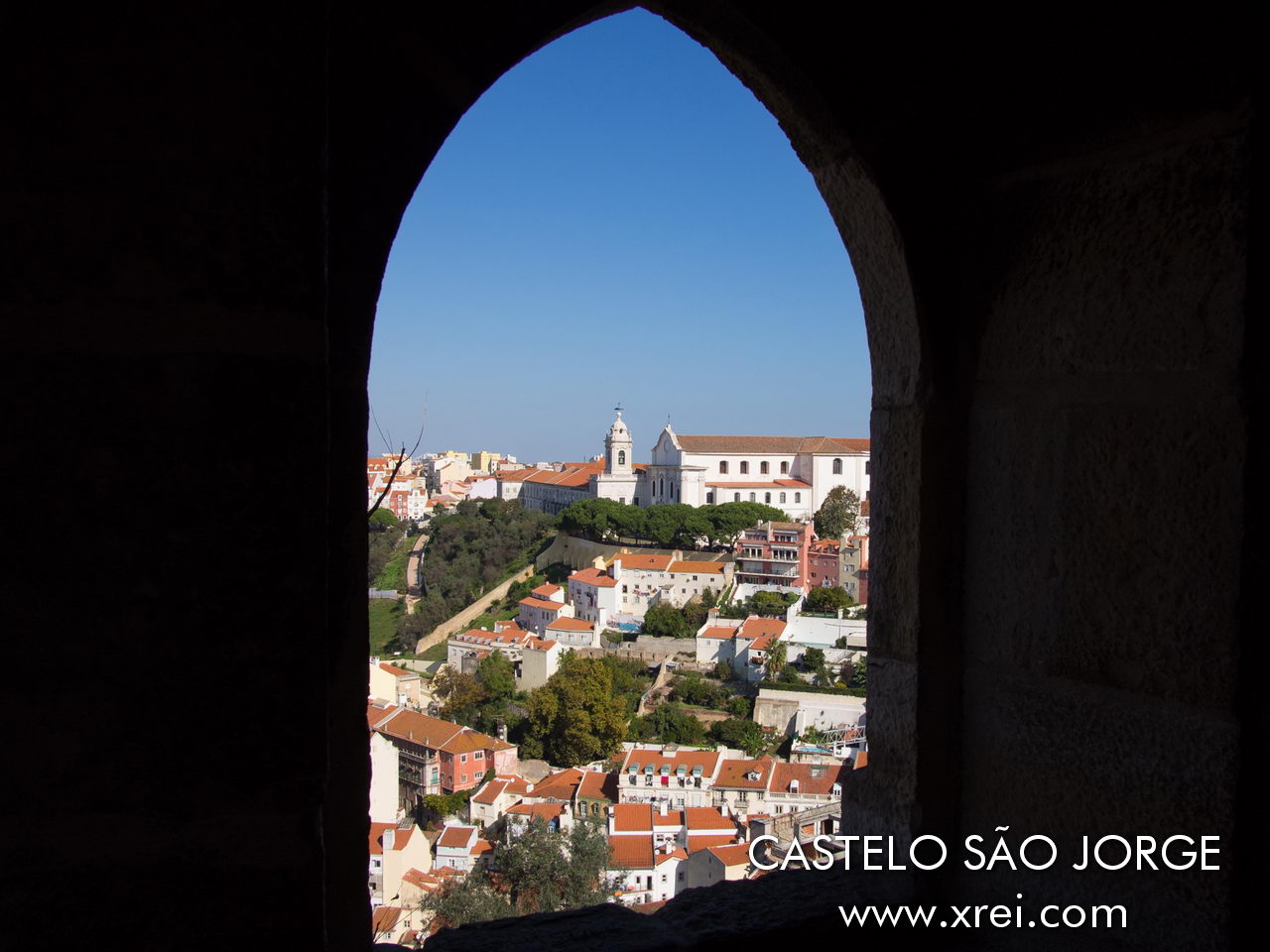
View from the Castelo de São Jorge of the Igreja e Convento da Graça in the Graça neighbourhood
View of Martim Moniz from the Castelo de São Jorge
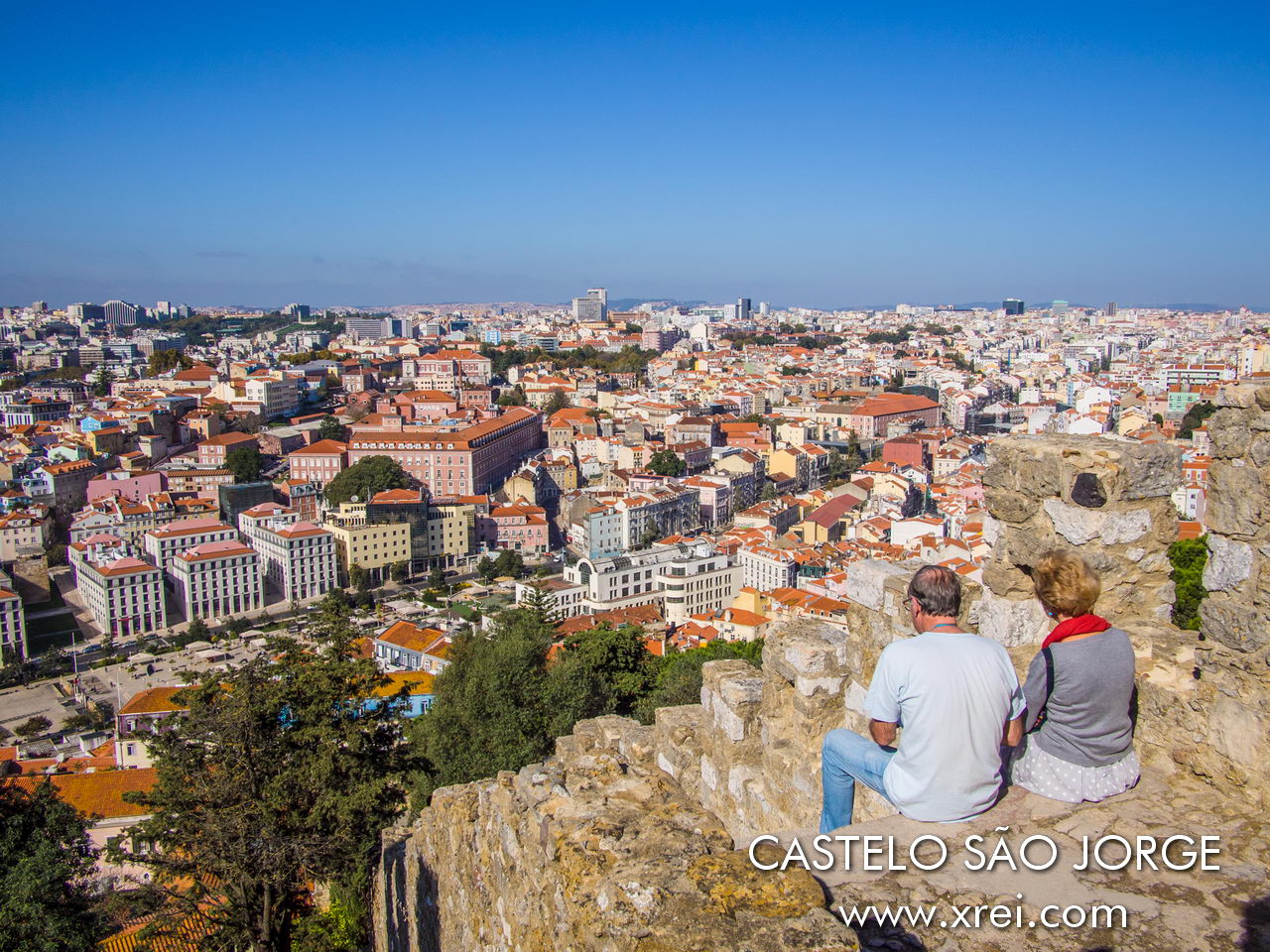
View of the northern part of the city of Lisbon from the walls of the Castelo de São Jorge.
Bronze cannon at the Castelo de São Jorge, the historic artillery that defended the city of Lisbon
Southern view from the Castelo de São Jorge, with Alfama, the Igreja de São Vicente de Fora, the National Pantheon, the Tagus River and Alcochete on the south bank
Statue of D. Manuel I, known as "O Venturoso" (1469–1521)
Statues in the grounds of the Castelo de São Jorge
Palácio Belmonte
Largo do Chão da Feira
Costa do Castelo
Igreja de Santa Cruz do Castelo
Pátio Dom Fradique
Torre de São Lourenço
Location of the Freguesia de Santa Maria Maior (Castelo) on the Lisbon map
Location of the Freguesia de Santa Maria Maior on the Lisbon map