
Ajuda

A Ajuda é um bairro situado numa encosta litoral frente ao rio Tejo, um antigo bairro agrícola onde antigamente existiam palácios da Nobreza e casas do povo que trabalhavam a terra. O bairro da Ajuda cresceu devido à aparição de Nossa Senhora, um milagre que originou a construção da Ermida de Nossa Senhora da Ajuda, no século XVI seis anos depois em 1551, e com a criação da freguesia da Ajuda em 1557. Após o Terramoto de 1 de Novembro de 1755, o Rei Dom José I mandou construir o Palácio Nacional da Ajuda, que se tornou na residência oficial da Família Real Portuguesa. Em 1852 a freguesia da Ajuda foi integrada no concelho de Belém até 1885, ano em que voltou a fazer parte da cidade de Lisboa.
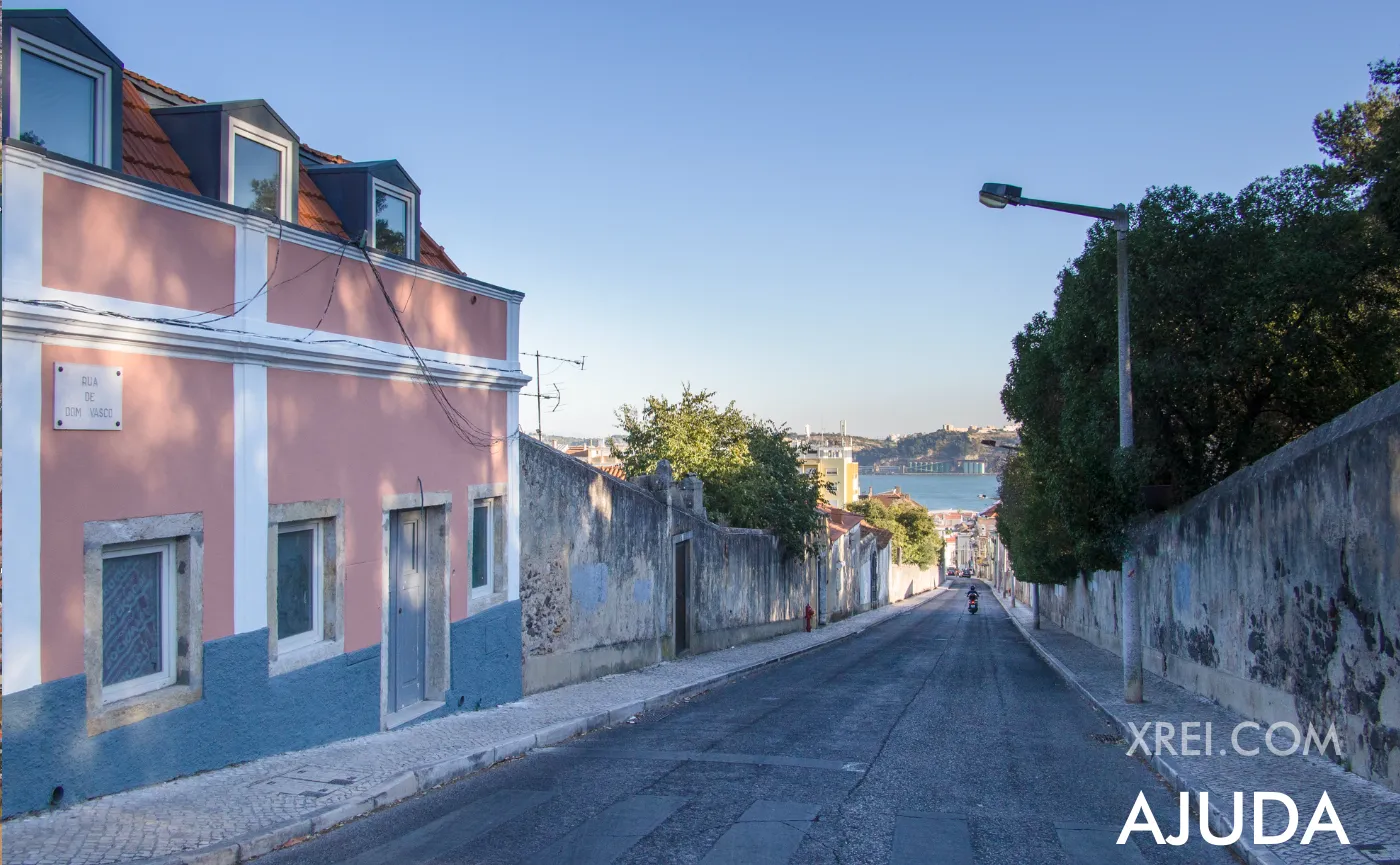
Atrações a visitar no bairro da Ajuda (top 10)
- Palácio Nacional da Ajuda: localizado na colina da Ajuda, é o único palácio em Lisboa que apresenta a decoração e as salas inalteráveis desde o século XIX. O Palácio Nacional da Ajuda foi mandado construir pelo Rei Dom José I (1714-1777) depois do Terramoto de Lisboa de 1 de Novembro de 1755, com dois projetos: um de 1795 da autoria de Manuel Caetano de Sousa e outro projeto por Francisco Xavier Fabri e José da Costa e Silva em 1802. O Palácio Nacional da Ajuda foi habitado pela Família Real Portuguesa desde a inauguração até à partida do Rei Dom João VI para o Brasil motivada pelas Invasões Napoleónicas de 1807. O Palácio Nacional da Ajuda foi residência oficial de vários reis e rainhas de Portugal, nomeadamente Dom Pedro IV, Dona Maria II, Dom Luís I e Dom Carlos. O Palácio Nacional da Ajuda foi encerrado com a Implantação da República no dia 5 de Outubro de 1910, e após esta época apenas podia ser visitado com autorização do Governo. No dia 20 de Agosto de 1968 o Palácio Nacional da Ajuda reabriu ao público e em 2007 passou a integrar o Instituto dos Museus e da Conservação. Os principais pontos de interesse são:
- a Biblioteca da Ajuda, a antiga biblioteca real;
- a Galeria de Pintura do Rei Dom Luís I, com a coleção particular de Dom Luís I;
- o Álbum de Aguarelas de Enrique Casanova, que retrata dezanove salas de Paços Reais da Ajuda, de Cascais e de Sintra;
- a Sala do Despacho: local onde o Rei tratava dos assuntos oficiais. Esta sala destacam-se pelos seis panos do século XVIII e uma aguarela de Enrique Casanova (1850-1913);
- a Sala da Música, destacam-se pelo piano de cauda e a harpa da autoria de Sebastian Erard;
- a Sala Azul, uma sala da autoria de Joaquim Possidónio Narciso da Silva (1806-1861), com o revestimento das paredes em seda azul e uma aguarela de Enrique Casanova como principais pontos de interesse. A Sala Azul era a sala de estar da Família Real;
- a Sala de Mármore, com o alabastro doado pelo Vice-Rei do Egito ao Rei de Portugal e a fonte de mármore de Carrara. A sala era utilizada como sala de refeições;
- a Sala Verde, era sala de trabalho e de pintura da Rainha Dona Maria Pia e foi também o local onde nasceu Dom Carlos no dia 28 de Setembro de 1863. Na Sala Verde encontram-se pinturas de João Pedroso Gomes da Silva (1825-1890) e de Joseph Layraud (1833-1913);
- a Sala de Jantar, projetada por Leandro Braga (1839-1897), destaca-se pela Mesa de Jantar e pelas doze cadeiras de couro;
- a Sala do Retrato da Rainha, com um retrato da Rainha Dona Maria Pia (1847-1911) na época com 33 anos de idade, autoria de Carolus Duran (1837-1917). É um dos ex-libris do Palácio Nacional da Ajuda;
- a Sala do Trono, com os tronos da segunda metade do século XVIII como principais destaques;
- e a Sala dos Grandes Jantares: a sala onde eram realizados os grandes banquetes e festas da Família Real. Foi neste local que Dom Miguel (1802-1866) foi aclamado Rei de Portugal em 1828 e onde Dom Carlos (1863-1908) casou em 1886. Na Sala dos Grandes Jantares destacam-se os aparadores, as mesas, peças de ourivesaria dos séculos XVII, XVIII e XIX e a porcelana chinesa do século XVIII.
;;
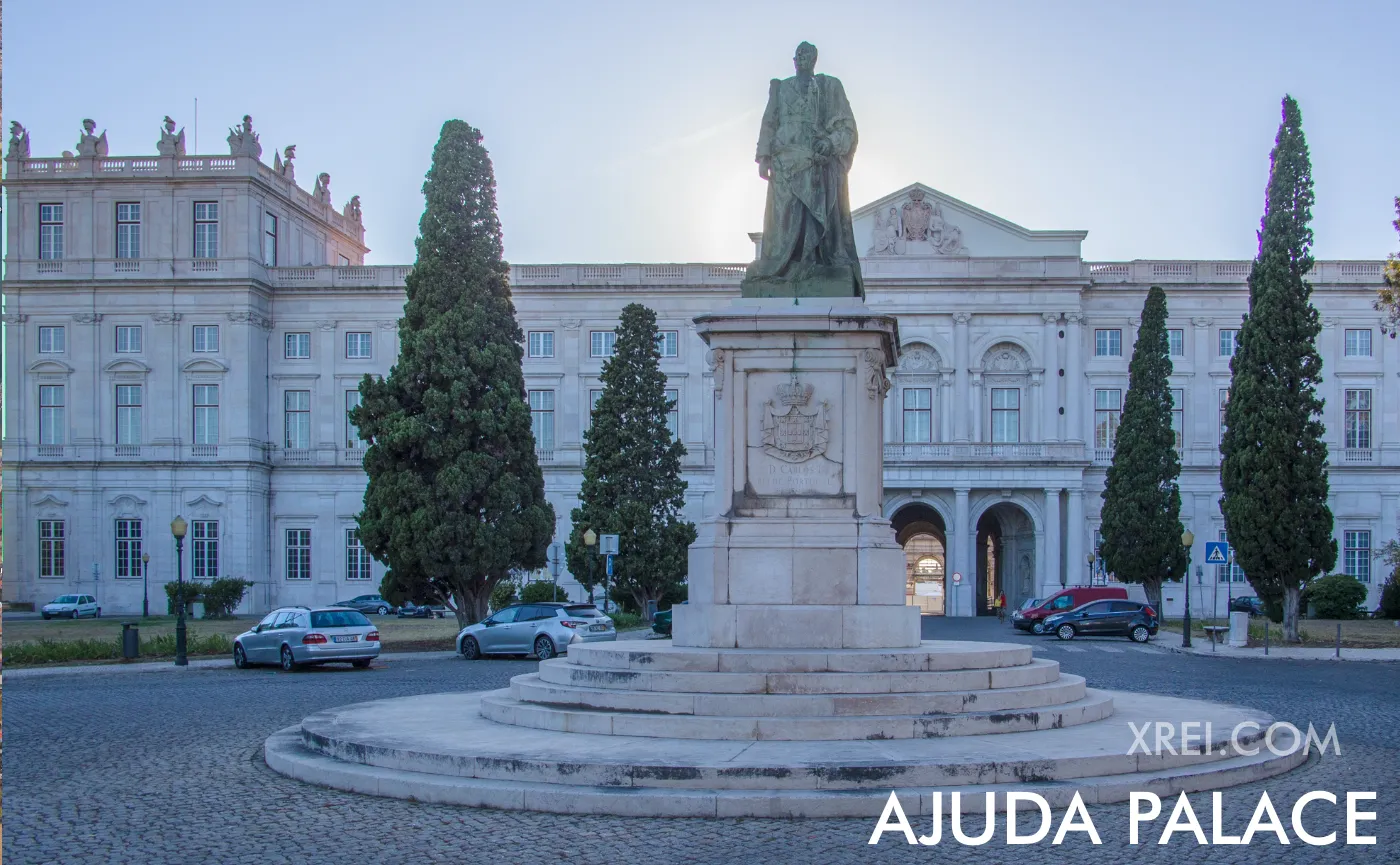
Palácio Nacional da Ajuda ao anoitecer. A fachada neoclássica domina a praça no alto da colina, com a estátua real de sentinela.
- Jardim Botânico da Ajuda é o primeiro Jardim Botânico de Portugal desenhado com o fim de manter, estudar e colecionar o máximo de espécies do mundo vegetal. É um jardim criado por ordem do rei D. José em 1768 com o objetivo de ensinar os seus príncipes, com projeto de Domingos Vandelli, um botânico italiano. Atualmente, o Jardim Botânico da Ajuda tem uma arquitetura baseada nos modelos renacentistas em telhados talhados na encosta, com pedra esculpida, plantas e fontes e lagos. O Jardim Botânico da Ajuda engloba o Jardim dos Aromas com plantas aromáticas e medicinais, desenhado para invisuais. Desde 1910 que o Jardim Botânico da Ajuda é uma infraestrutura de ensino e investigação da Unidade de Apoio Tecnológico do ISA. O Jardim Botânico da Ajuda disponibiliza visitas guiadas e oficinas temáticas.
- Tapada da Ajuda, localizada no Alto da Ajuda tem aproximadamente 100 hectares e integra o Instituto Superior de Agronomia, o Observatório Astronómico de Lisboa, um Pavilhão de Exposições e um miradouro sobre o rio Tejo. A Tapada Real de Alcântara foi criada pelo Rei Dom João IV em 1645. Os principais pontos de interesse são:
- Instituto Superior de Agronomia, inaugurado em 1917, da autoria de Adães Bermudes (1864-1948);
- Observatório Astronómico de Lisboa, inaugurado em 1850 com um objetivo de observar a estrela Argelander, devido à situação privilegiada de Lisboa ser considerada uma zona privilegiada na Europa para observação desta estrela. O observatório foi restaurado em 1999;
- Pavilhão de Exposições, inaugurado em 1884 para receber a Terceira Exposição Agrícola de Lisboa. O edifício foi desenhado pelo arquiteto Pedro d’Avilla;
- Anfiteatro de Pedra, com capacidade para aproximadamente 3 mil pessoas construído na década de 1940 por Francisco Caldeira Cabral;
- Banco de Junot, de acordo com as histórias locais, o General francês Junot, quando ficava instalado no Palácio Nacional da Ajuda, tinha por hábito ir à Tapada e sentar-se num banco a observar o rio Tejo e o pôr do sol;
- Reserva Botânica Natural Dom António Xavier Pereira Coutinho, inaugurada em 1923, e em 1951 passou a ter o nome atual de Reserva Botânica Natural Dom António Xavier Pereira Coutinho. Localizada acima do Pavilhão de Exposições, integra mais de 200 espécies, nomeadamente os zambujeiros, os adernos ou os sanguinhos das sebes;
- Miradouro, localizado a 135 metros de altitude destaca-se pela vista panorâmica sobre o rio Tejo, pelos azulejos e pela existência de um dos marcos geodésicos mais antigos de Portugal.
- Cemitério da Ajuda, é um cemitério inaugurado em 1787 por ordem da Rainha Dona Maria I (1734-1815) para as populações mais pobres de Belém e da Ajuda e para os funcionários da Casa Real; localizado na Calçada do Galvão, integra a carreira do Elétrico 18E. Os destaques do Cemitério da Ajuda são: as Quatro estátuas localizadas após a entrada, que representam a justiça, a esperança, a fortaleza e a verdade; as Quatro estátuas localizadas em frente à capela que simbolizam a fé, a humildade, a oração e a caridade; o Monumento dedicado aos mortos da Revolução de Maio de 1915; e os Túmulos de figuras importantes da sociedade portuguesa, nomeadamente do Presidente da República Américo Tomás (1894-1987), do arquiteto Domingos Parente da Silva (1836-1901), do almirante Gago Coutinho (1869-1959), o futebolista do clube Os Belenenses Matateu (1927-2000).
- Parque Florestal de Monsanto, localizado na periferia de Lisboa integra as sete freguesias de Benfica, São Domingos de Benfica, Campolide, Campo de Ourique, Belém, Ajuda e Alcântara. O Parque Florestal do Monsanto com aproximadamente mil de hectares é o maior parque florestal urbano da Europa. Os principais destaques são: o Miradouro; o Anfiteatro; o Parque de Merendas; o Parque de Campismo; o Circuito de manutenção; o Picadeiro; os Campos de ténis, futebol e rugby; e o Parque de skate.
- Igreja de Nossa Senhora do Livramento e de São José: localizada na Calçada da Memória também é conhecida por Igreja da Memória. A Igreja foi mandada construir pelo Rei Dom José I como forma de agradecimento a São José por ter sobrevivido a um atentado em 1758. A Igreja de Nossa Senhora do Livramento e de São José foi projetada pelo arquiteto Giovanni Carlo Bibienna, começou a ser construída em 1760 e foi inaugurada em 1788. Mateus Vicente de Oliveira foi nomeado para terminar as obras da Igreja. Os pontos de interesse da Igreja de Nossa Senhora do Livramento e de São José são: as Varandas em madeira de cerejeira e Pau Brasil; o Chão de mármore de Vila Viçosa; a Pintura do altar-mor da autoria de Pedro Alexandrino a representar o Rei Dom José a agradecer a Nossa Senhora do Livramento; as Dezanove rosetas nos arcos torais; o Olho de Deus; e o Túmulo de Marquês de Pombal que foi trasladado para esta igreja em 1923.
- Salão Portugal, é a sede do Comité Olímpico de Portugal. Propriedade de Nicolau Veríssimo foi construído na Travessa da Memória para ser uma referência cultural na cidade de Lisboa, nomeadamente no cinema. Foi o Cinema Paraíso da Ajuda, com uma sala de cinema com capacidade para 510 lugares sentados.
- Convento de Nossa Senhora da Boa Hora: é onde se encontra o Hospital Militar. O Convento de Nossa Senhora da Boa Hora foi inaugurado no Largo da Boa-Hora em 1758 e entregue à Ordem dos Agostinhos Descalços até 1834, ano em que as Ordens Religiosas foram extintas. A referência do Convento de Nossa Senhora da Boa Hora é a Igreja, com referência para a fachada principal, os painéis de azulejos com cenas da vida de Santo Agostinho da autoria de Bento Coelho de Oliveira e Botovi.
- Ermida de Nossa Senhora do Cruzeiro: localizada na rua do Cruzeiro encontra-se integrada num terreno que é atualmente propriedade do Lar de São José. A Ermida de Nossa Senhora do Cruzeiro foi construída no século XVII para proteger um cruzeiro da autoria do marinheiro Gaspar Manso. O cruzeiro foi feito em homenagem a Nossa Senhora da Ajuda, santa padroeira dos marinheiros, antes da realização de uma viagem em alto-mar. Atualmente o cruzeiro encontra-se exposto no Museu Arqueológico do Carmo no Largo do Carmo em Lisboa.
- Chafariz da Memória: localizado no Largo da Memória é da autoria do arquiteto Possidónio da Silva. O Chafariz da Memória foi inaugurado no dia 13 de Junho de 1850, destaca-se pelas armas da cidade.
Outras atrações a explorar no bairro da Ajuda
- Quinta do Seminário, uma quinta com a casa número 10, onde morou o escritor Alexandre Herculano. Alexandre Herculano (1810-1877) foi bibliotecário da Ajuda entre 1839 e 1877 e o Primeiro Presidente do Concelho de Belém em 1853.
- Pátio Bonfim, também conhecido por Pátio da Secretaria devido a ter desempenhado funções de Secretaria de Estado na época do Marquês de Pombal (1699-1782). A partir de 1840 foi comprado pelo Conde de Bonfim e passou a designar-se Pátio Bonfim.
- Pátio Zé Pincel: é chamado assim devido à existência da Fábrica Horta e Silva, uma "fábrica de graxa". A figura "Zé Pincel" era um vendedor de pastéis de Belém e de raivas, um doce conventual feito pelas freiras do Bom Sucesso.
- Quartel Conde de Lippe, construído no século XVIII, destaca-se pelos dois torreões e pelo brasão de armas do Rei Dom José I (1714-1777)
- Gruta do Rio Seco: um geomonumento de Lisboa que foi antigamente um rio. A Gruta do Rio Seco é datada do período Cretácico (145 milhões de anos a 66,4 milhões de anos). Foi uma pedreira que forneceu durante muito tempo materiais para a construção de Lisboa.
- Bairro do Caramão da Ajuda
- Casa de Alexandre Herculano
- Casal Pedro Teixeira
- Jardim das Damas
- Mercado do Peixe
- Pátio das Carvalhas
- Pátio das Damas
- Pátio Rita Murteira
- Quartel Conde de Lippe
- Quinta do Armador
- Restaurante Montes Claros
Ruas principais do bairro da Ajuda
A Ajuda é constituída por 56 artérias, nomeadamente a Calçada da Ajuda, a Travessa da Memória, a Calçada da Boa Hora e a Rua do Jardim Botânico. A Calçada da Ajuda tem aproximadamente um quilómetro de extensão, com início na rua Junqueira e término na rua do Jardim Botânico.
A Calçada da Ajuda tem por principais pontos de interesse a casa onde nasceu Gago Coutinho, o descobridor que realizou a Primeira Travessia do Atlântico Sul em 1922, o Palácio Nacional da Ajuda e a Torre da Ajuda.
A Travessa da Memória tem por principais destaques a Igreja de Nossa Senhora do Livramento e de São José, o Salão Portugal, antigo cinema e atual sede do Comité Olímpico de Portugal.
Na Calçada da Boa Hora os pontos de interesse são o Chafariz da Boa Hora, a Igreja da Boa Hora ou o Cemitério da Ajuda. Na rua do Jardim Botânico destaca-se o Jardim Botânico, o jardim público mais antigo de Portugal.
Curiosidades da Ajuda
- O Palácio Nacional da Ajuda era chamado de Real Barraca por ter sido construído em madeira;
- O Jardim Botânico da Ajuda é o jardim mais antigo de Portugal;
- O bairro da Ajuda é uma zona de estudantes universitários de Lisboa devido à existência de três universidades no Alto da Ajuda, nomeadamente a Universidade de Arquitetura da Universidade Técnica de Lisboa, o Instituto Superior de Ciências Sociais e Políticas (ISCSP) e a Universidade de Medicina Veterinária;
- A Calçada da Ajuda foi construída depois do Terramoto de 1 de Novembro de 1755;
- A Marcha da Ajuda participa no desfile de Marchas Populares de Lisboa desde 1934;
- O Arquivo Nacional de Fotografia encontra-se instalado na Sala da Física na Ajuda.
Factos rápidos sobre o bairro da Ajuda
- A Ajuda tem aproximadamente 16 mil habitantes;
- A área física é de 2,88 km2.
Estabelecimentos de Ensino
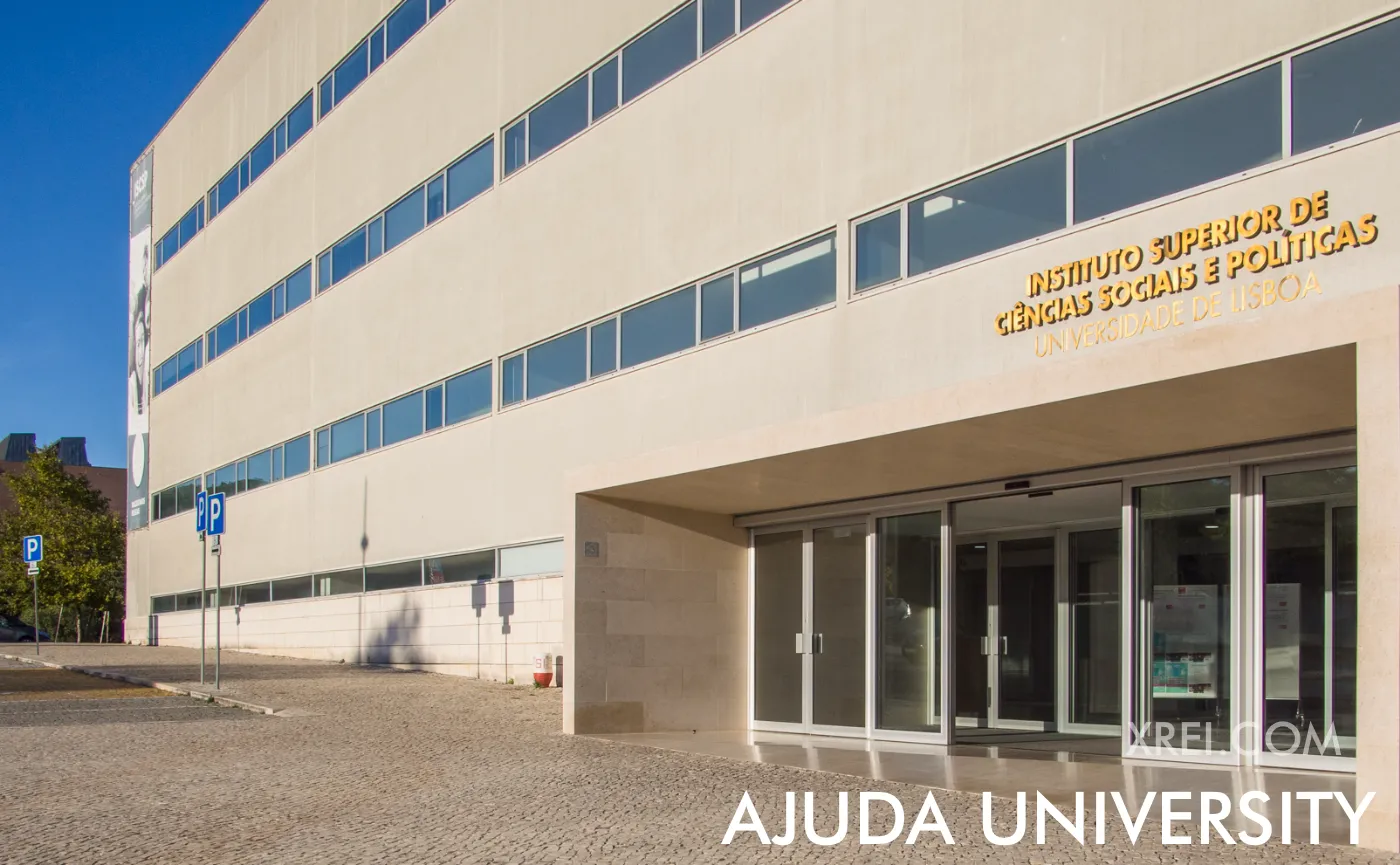
- Universidade de Arquitetura da Universidade de Lisboa;
- ISCSP: Instituto Superior de Ciências Sociais e Políticas;
- Restart: Instituto de Criatividade, Artes e Novas Tecnologias.
Situação do bairro da Ajuda em Lisboa
O bairro da Ajuda é administrado pela Junta de Freguesia da Ajuda, fica localizado a norte de Belém, é um local tranquilo e seguro, escolhido por jovens para viver. O bairro tem por principais destaques o Palácio Nacional da Ajuda, a Calçada da Ajuda, o Jardim Botânico, o Campus Universitário do Alto da Ajuda e a vista panorâmica sobre o litoral ribeirinho de Lisboa. O bairro da Ajuda fica localizado entre o bairro de Belém e a Serra de Monsanto, numa das saídas da cidade de Lisboa. O bairro da Ajuda encontra-se próximo dos bairros de Belém, Alcântara, Restelo, Campo de Ourique e Prazeres.
Localização da Freguesia de Ajuda no mapa de Lisboa
