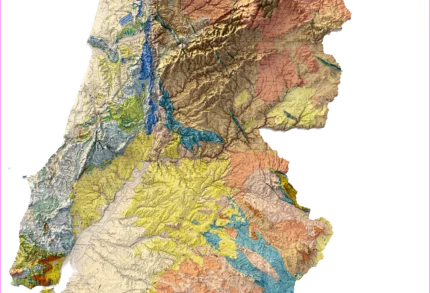
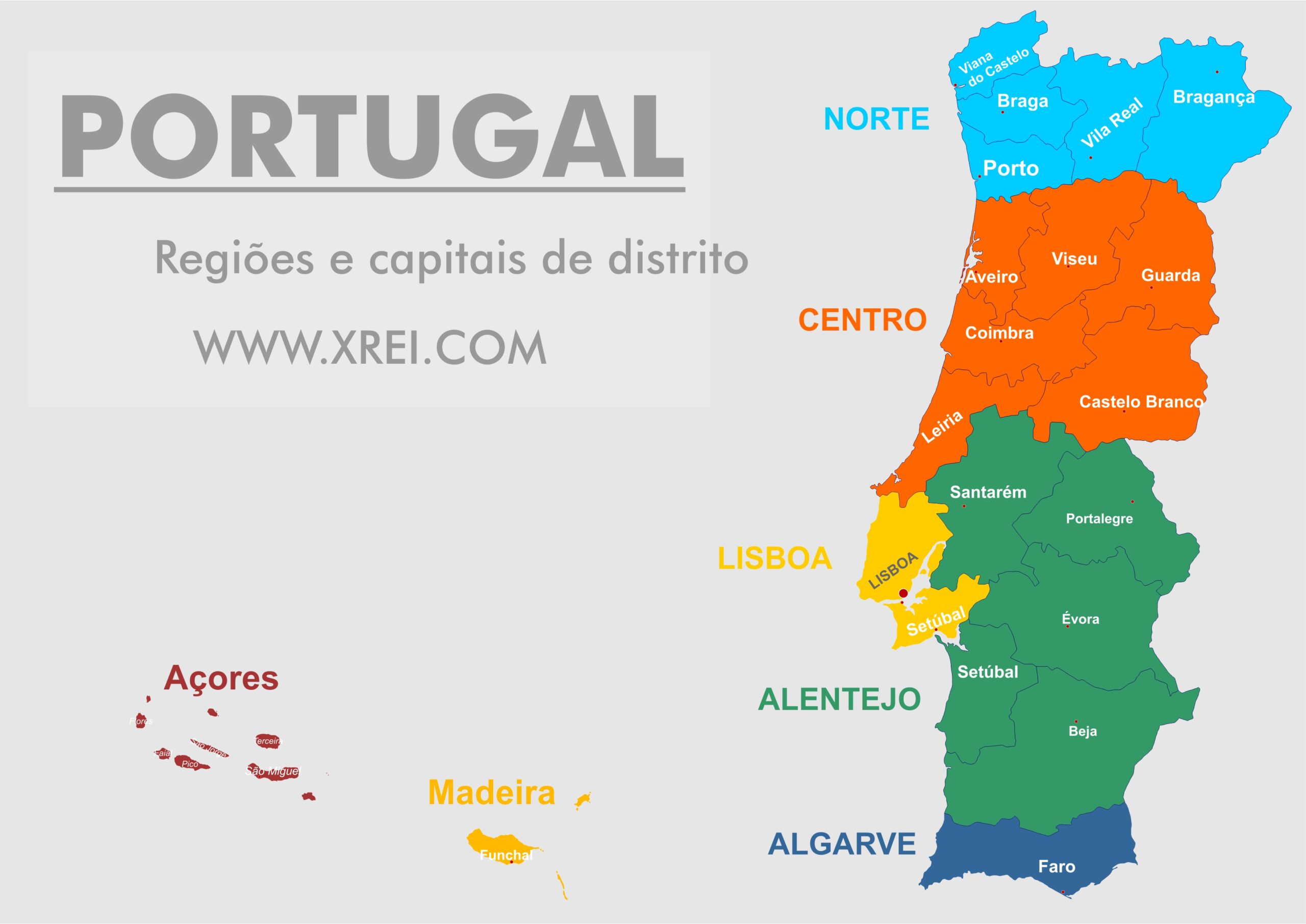
Portugal officially has 9 regions since 2024
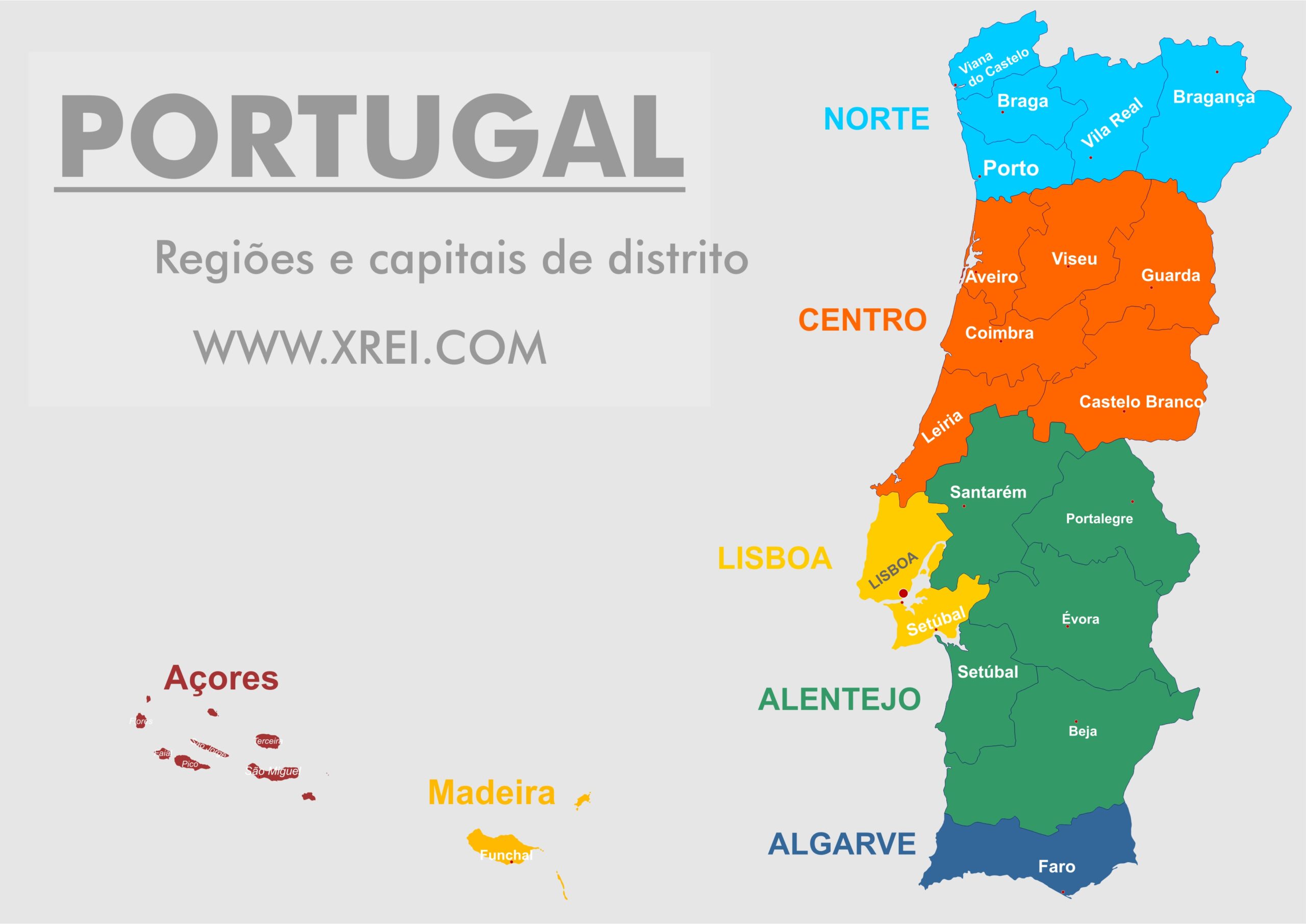
but most people picture Portugal with 7 regions
If you search for the regions of Portugal, you'll get two different answers depending on who you ask. The official count changed recently, and travel guides haven't all caught up. Here's the clear version.
The official answer: 9 regions
Since 2024, Portugal has nine official statistical regions (known as NUTS II, the system Portugal and the EU use for administration and funding):
- Norte
- Centro
- Oeste e Vale do Tejo
- Grande Lisboa
- Península de Setúbal
- Alentejo
- Algarve
- Azores
- Madeira
Regions of Portugal clickable map
Regions of Portugal
Northern Portugal
- Region population3 586 586 inhabitants
- Region area21 286 km²
8 219 sq mi
Greater Lisbon
- Region population2 062 306 inhabitants
- Region area1 390 km²
537 sq mi
Central Portugal
- Region population1 653 195 inhabitants
- Region area23 273 km²
8 986 sq mi
Oeste and Tagus Valley
- Region population809 905 inhabitants
- Region area9 201 km²
3 553 sq mi
Setúbal Peninsula
- Region population807 902 inhabitants
- Region area1 625 km²
628 sq mi
Alentejo
- Region population468 672 inhabitants
- Region area27 330 km²
10 552 sq mi
Algarve
- Region population467 343 inhabitants
- Region area4 997 km²
1 929 sq mi
Madeira
- Region population250 744 inhabitants
- Region area801 km²
309 sq mi
Azores
- Region population236 413 inhabitants
- Region area2 322 km²
897 sq mi
What changed in 2024
Until 2024, Portugal had seven regions. Two changes brought the total to nine. The single Lisbon metropolitan region was split in two — Grande Lisboa (north of the Tagus) and Península de Setúbal (south of it). At the same time, a brand-new region, Oeste e Vale do Tejo, was carved out of land that previously belonged to Centro and Alentejo.
What travel guides mean by "regions"
If you're planning a trip, most guidebooks still use the older, simpler grouping — and that's perfectly fine for getting around. Travel writers typically describe Portugal as: Norte (the Porto area), Centro, Lisbon, Alentejo, Algarve, Madeira, and the Azores.
The nine-region list is the current official one; the seven-region list is how most travellers, and many locals, still picture the country.
Source: INE (Statistics Portugal), NUTS 2024 classification, effective 1 January 2024.
North Region
North Region, a region encompassing the districts of Viana do Castelo, Braga, Porto, Vila Real and Bragança, as well as the northern parts of the districts of Aveiro, Guarda and Viseu. It borders Spain to the north and east, the Centre Region to the south, and the Atlantic Ocean to the west.



Centre Region
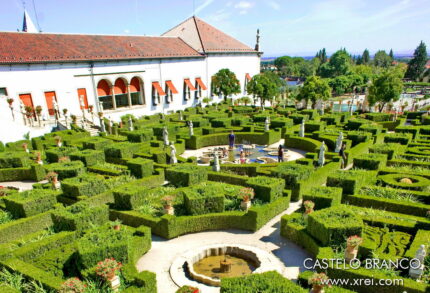
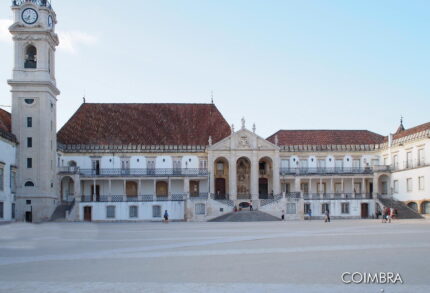
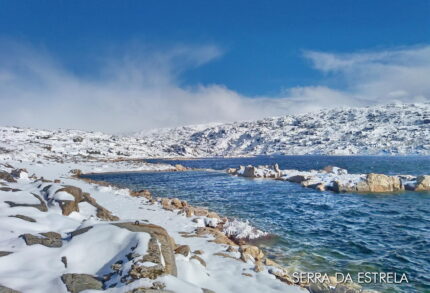
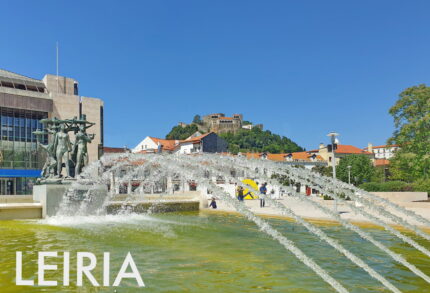
Centre Region, a region bordered to the north by the North Region, to the east by Spain, to the south by Alentejo, to the southwest by the Lisbon and Tagus Valley region, and to the west by the Atlantic Ocean.
Lisbon and Tagus Valley
Lisbon and Tagus Valley, also known as Estremadura e Ribatejo, is a region of Portugal encompassing the District of Lisboa, most of the District of Santarém, approximately half of the District of Setúbal, and approximately one third of the District of Leiria. It borders the Centre Region to the north, the Alentejo region to the east and south, and the Atlantic Ocean to the south and west.
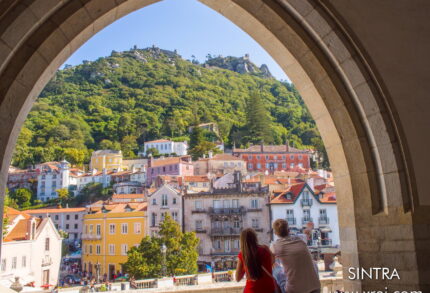
Greater Lisbon Municipalities

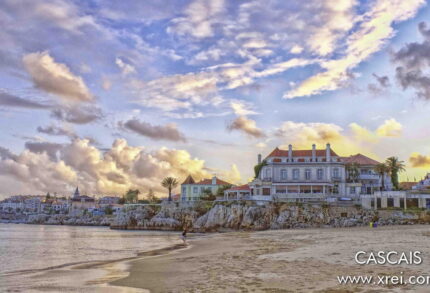

Setúbal Peninsula

Alentejo Region
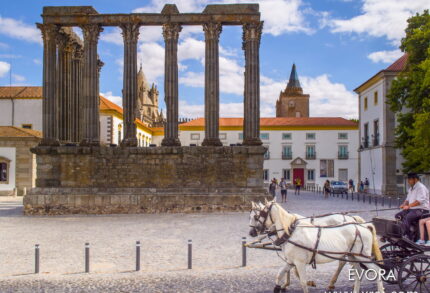
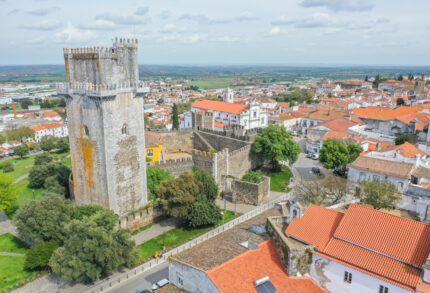
Alentejo Region, a region in south-central Portugal encompassing the districts of Portalegre, Évora and Beja, the southern half of the District of Setúbal, and part of the District of Santarém.
Algarve Region
Algarve Region, the southernmost region of Portugal, with the city of Faro as its capital.
Autonomous Region of Madeira
Autonomous Region of Madeira, known as "Madeira", is an archipelago comprising four island groups: Madeira, Porto Santo, Desertas and Selvagens, located in the Atlantic Ocean between 30° and 33° north latitude, off the coast of Morocco.
Autonomous Region of the Azores
Autonomous Region of the Azores, known as "the Azores", is an archipelago comprising nine islands: São Miguel, Santa Maria, Terceira, Graciosa, São Jorge, Pico, Faial, Flores and Corvo, located in the northeast Atlantic. The archipelago was formed by volcanic activity, with Santa Maria being the oldest island at approximately 8.1 million years old.