
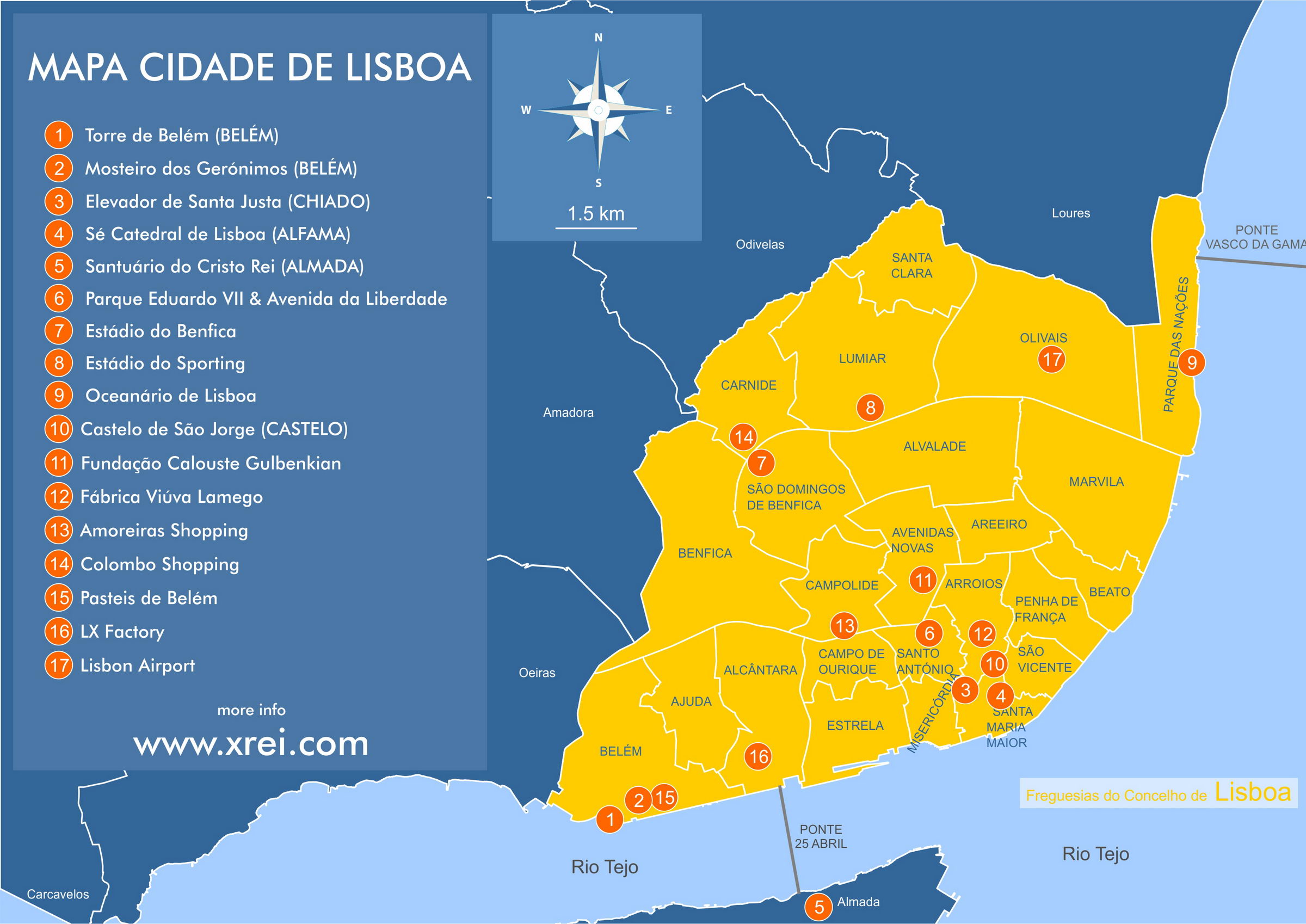
Lisbon, the capital city of Portugal
Lisbon is the capital of Portugal, a city composed of seven hills facing the Tagus River estuary, with a history deeply marked by monarchies, the Age of Discoveries, and the city's reconstruction after the 1755 earthquake. Lisbon is known for its excellent natural light and the safety of Portugal, ranked by the "Global Peace Index" as one of the safest countries in the world. Lisbon is a European capital that has maintained its neighborhood characteristics, with social proximity habits in the city's more traditional neighborhoods, greeting neighbors and strangers with a "bom dia" (good morning).
What to do in Lisbon
The best way to explore Lisbon during the day is to walk through the streets of the city center, visit historical monuments, observe the architecture, enter the shops and historic cafes of Baixa and Chiado, walk along Rua Augusta to Praça do Comércio / Terreiro do Paço, and observe the river near Cais das Colunas. From here, you can walk or take the tram up to Alfama, visit the Castle, the Graça neighborhood, pass through Mouraria, and descend to Martin Moniz, Praça da Alegria, and discover the luxury of Avenida da Liberdade. Return to Terreiro do Paço, and travel by Lisbon tram or bus, in just 20 minutes, to Belém, where you will find the Jerónimos Monastery, Belém Tower, and many other attractions. At dusk, you can visit one of Lisbon's many viewpoints to enjoy the sunset, listen to Fado in Mouraria or Alfama, or take advantage of the bohemian life of the bars and restaurants in Bairro Alto. To appreciate Lisbon's modern side, head to Parque das Nações, where you will find a modern Lisbon, redeveloped since 1998, with contemporary buildings, gardens and parks, the MEO Arena Pavilion, the Oceanarium, the Casino, the Shopping Center, and much more.
Discover the characteristics and offerings of each area of Lisbon
Lisbon Historic Center

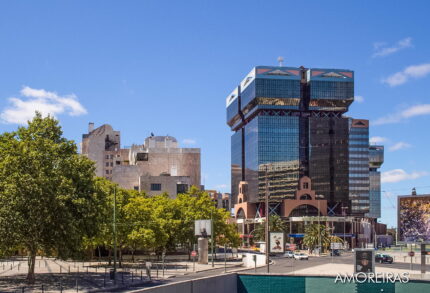
Lisbon City Center


West Lisbon


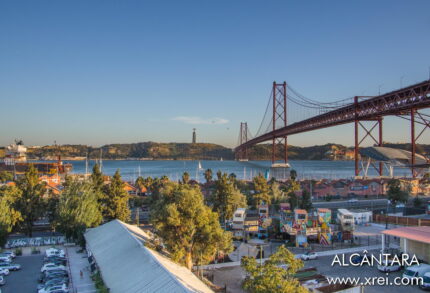
Eastern Lisbon


Northern Lisbon
