
Estoril is a coastal town in the parish of Cascais e Estoril, in the municipality of Cascais, on the coast road between Cascais and Lisbon. The businessman Fausto de Figueiredo developed it as a resort from the 1910s, around a casino, a hotel and the railway line to Lisbon.
Estoril Street Map
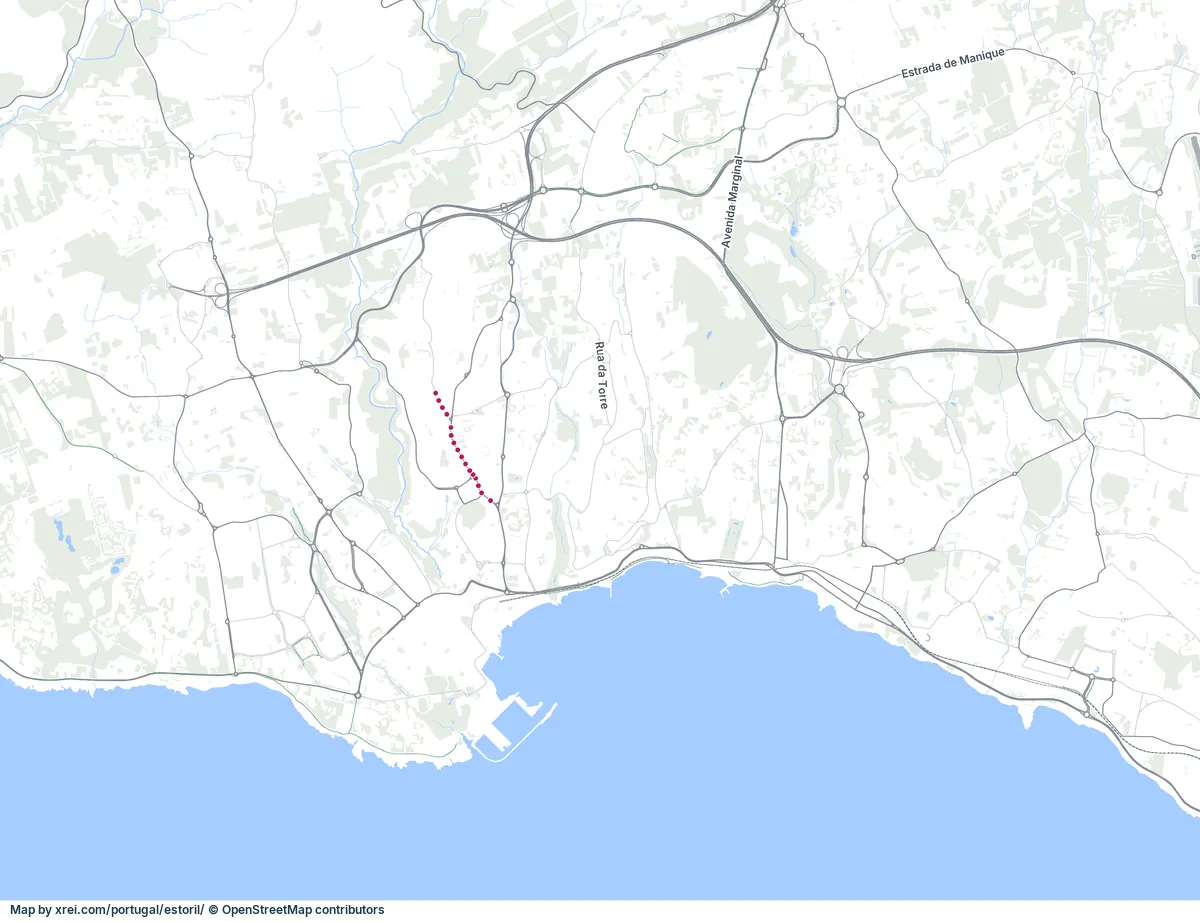
12345678910111213141516171819202122232425262728ABCDEFGHIJKLMNOPQRSTUTTTBBOceanus International SchoolInternational Christian School of Cascais (ICSC)St. John’s School CascaisMoitas beachEstoril Golf ClubDuquesa beachTamariz beachConceição beachEstoril Golf Club 9 Hole CourseRainha (Cascais) beachGreene’s College, OxfordPoça beachHospital CUF CascaisCitadel of CascaisAzarujinha beachMarina de CascaisCasa das Histórias Paula RegoHospital de Cascais Dr. José de AlmeidaCondes de Castro Guimarães MuseumSt. James’ Primary SchoolSanta Marta Lighthouse MuseumSt. George’s School CascaisApprentices – International Active Learning SchoolKing’s College School CascaisBoca do InfernoInternational Preparatory School (IPS Cascais)Prime School International, EstorilS. Pedro do Estoril beachGalardiSaboia 876Estoril TwoEstoril FourVilla UnikaMelo e Sousa 670Estoril Garden TerracesAZO LUZ VIVAALTO EstorilAvenida ValbomLighthouse CascaisEssence EstorilThe FrameTojasThe Principado CascaisOne LivingEstoril WoodsMarinha PrimeOcean Prime VillageMurches ResidenceSandwoodsLisbon Airport (Humberto Delgado Airport) (LIS) 24 kmCascais Aerodrome (Tires) (CAT) 4 kmSintra 9 kmSão Domingos de Rana 5 kmCarcavelos e Parede 5 kmRibeira de CaparideQuinta da MarinhaCascaisAlcabideche▲ Sintra-Cascais Natural ParkMonsanto Forest Park 15 kmTagus Estuary Natural Reserve 30 kmCascaisEstorilSão Pedro do EstorilParede (Terminal)Terminal Rodoviário de CascaisMercado Municipal de CascaisCentro de Congressos
Getting there
- TCascais Train station
- TEstoril Train station
- TSão Pedro do Estoril Train station
- BParede (Terminal) Bus station
- BTerminal Rodoviário de Cascais Bus station
Useful places
- 1Oceanus International School Private School
- 2International Christian School of Cascais (ICSC) Private School
- 3St. John’s School Cascais Private School
- 4Moitas beach Beach
- 5Estoril Golf Club Golf Course
- 6Duquesa beach Beach
- 7Tamariz beach Beach
- 8Conceição beach Beach
- 9Estoril Golf Club 9 Hole Course Golf Course
- 10Rainha (Cascais) beach Beach
- 11Greene’s College, Oxford Private School
- 12Poça beach Beach
- 13Hospital CUF Cascais Hospital
- 14Citadel of Cascais Attraction
- 15Azarujinha beach Beach
- 16Marina de Cascais Marina or Port
- 17Casa das Histórias Paula Rego Attraction
- 18Hospital de Cascais Dr. José de Almeida Hospital
- 19Condes de Castro Guimarães Museum Attraction
- 20St. James’ Primary School Private School
- 21Santa Marta Lighthouse Museum Attraction
- 22St. George’s School Cascais Private School
- 23Apprentices – International Active Learning School Private School
- 24King’s College School Cascais Private School
- 25Boca do Inferno Attraction
- 26International Preparatory School (IPS Cascais) Private School
- 27Prime School International, Estoril Private School
- 28S. Pedro do Estoril beach Beach
- Centro de Medicina de Reabilitação de Alcoitao Hospital
- CascaiShopping Shopping Centre
- Cascais Riding Club Equestrian Centre
- Centro Hípico da Costa do Estoril Equestrian Centre
- Museum of Portuguese Music museum
- Palmela Palace palace
- Three Polish Emissaries monument
- Bust of Lucian Blaga monument
- Exiles Memorial Center museum
- Roman villa of Alto da Cidreira archaeological site
- Cortinas de Atiradores fortification
- Fort of São Pedro fortification
- Bases da muralha de Cascais fortification
- Fort of São Teodósio da Cadaveira fortification
- Igreja de Nossa Senhora da Assunção (Cascais) church
- Museum of the Sea, Cascais museum
Water
- ≈Ribeira de Caparide stream
Landmarks
- ▲Sintra-Cascais Natural Park protected area
- Monsanto Forest Park protected area, 15 km E
- Tagus Estuary Natural Reserve protected area, 30 km NE
Local life
- Mercado Municipal de Cascais Market
- Centro de Congressos Event venue
- FIARTIL Feira de Artesanato do Estoril July to August
- Festas do Mar August
- Rua de Alvide Shopping street
Developments
Airports
Next places
- Sintra 9 km N
- São Domingos de Rana 5 km NE
- Carcavelos e Parede 5 km E
Map by xrei.com © OpenStreetMap contributors
During the Second World War, Estoril received exiled royal families and refugees from across Europe.

Beaches in Estoril
The beaches of Estoril lie along the coast road and the seafront promenade, between Monte Estoril and São Pedro do Estoril.
Monuments in Estoril
- Casino Estoril: the casino opened on 15 August 1931, designed by the French architect Raoul Jourde, and was enlarged and redesigned in the 1960s. It also holds an art gallery and a large hall for shows.
- Estoril Park: the gardens between the casino and Tamariz beach, laid out as part of the resort.
- Palácio Estoril Hotel: the hotel Fausto de Figueiredo opened in 1930 as part of the same project as the casino.
- Espaço Memória dos Exílios: an exhibition space in the former post office of São João do Estoril about the refugees and exiles who passed through Estoril and Cascais during the Second World War.

History of Estoril
- 1910s: Fausto de Figueiredo begins a plan to turn Estoril into an international resort, with a casino, a hotel and the railway line as its main parts.
- 16 January 1916: the President of the Republic, Bernardino Machado, lays the first stone of the casino.
- 1927: the gaming concession is granted.
- 1930: the Palácio Estoril Hotel opens.
- 15 August 1931: Casino Estoril opens.
- Second World War: exiled royals, refugees and foreign agents gather in Estoril. The British writer Ian Fleming, who knew the casino, used it as an inspiration for the first James Bond novel, Casino Royale.
- 1960s: the casino is enlarged and redesigned by the architects Filipe Nobre de Figueiredo and José Segurado, with interiors by Daciano da Costa and José Espinho.

Visiting Estoril
- Train: the Cascais railway line from Lisbon stops at São Pedro do Estoril, São João do Estoril, Estoril and Monte Estoril stations.
- On foot: a seafront promenade links the beaches of Estoril with the centre of Cascais.
Places to visit in Cascais
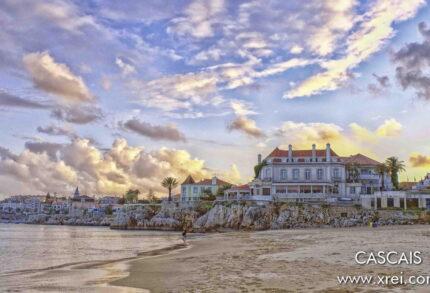
Cascais, Portugal
You're reading Estoril, Cascais article
Estoril, Cascais
History of Cascais
History of Cascais
Visiting Cascais
Visiting Cascais
Boca do Inferno
Boca do Inferno
Citadel of Cascais
Citadel of Cascais
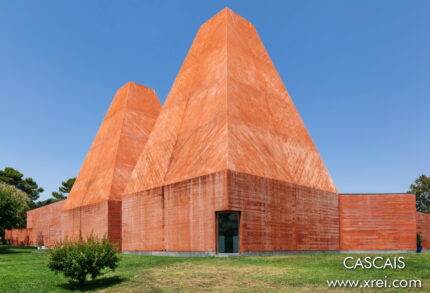
Casa das Histórias Paula Rego
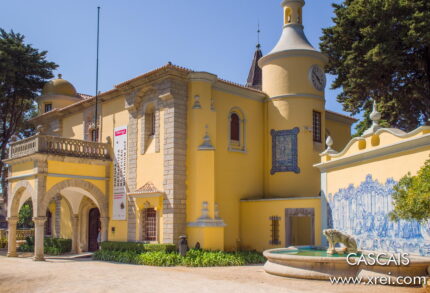
Condes de Castro Guimarães Museum
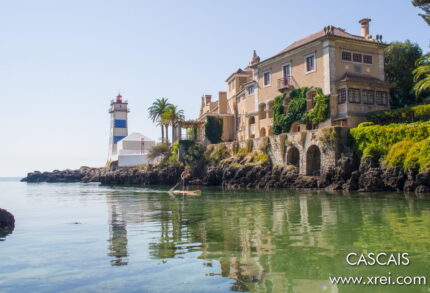
Santa Marta Lighthouse Museum
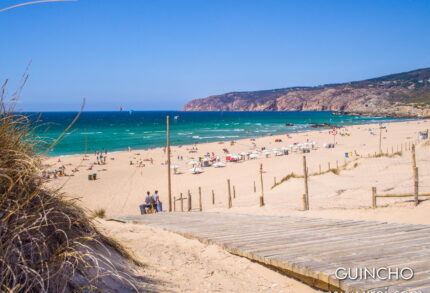
Cascais & Guincho
