

غواردا
غواردا هي أعلى مدينة في البرتغال، تقع على ارتفاع 1056 مترًا، بين هضبة Guarda-Sabugal وسلسلة جبال Montejunto-Estrela، حيث نجد الحديقة الطبيعية Serra da Estrela، أكبر منطقة محمية في البرتغال، مع أعلى جبل في البرتغال القارية على ارتفاع 1993 مترًا، وهي وجهة شتوية للرياضات الشتوية مثل التزلج والتزلج على الجليد. تشتهر منطقة غواردا بجودة اللحوم المدخنة والجبن المصنوع يدويًا. هنا في Serra da Estrela يمكننا زيارة منابع نهر Mondego؛ نهر Zêzere؛ نهر Alva ونهر Alvôco. غواردا هي عاصمة المقاطعة، وتقع في المنطقة الوسطى من البرتغال، والمنطقة الفرعية Beiras و Serra da Estrela، على بعد 199 كم من بورتو و 318 كم من لشبونة. غواردا هي مدينة تاريخية، تأسست عام 1199. يظهر المركز التاريخي لمدينة غواردا وجود الجالية اليهودية عبر التاريخ.
أماكن للزيارة في غواردا
ساحة لويس دي كامويس أو براسا فيلها
ساحة لويس دي كامويس أو براسا فيلها: هي أكثر الأماكن حيوية في المدينة. هنا نجد كاتدرائية غواردا، ومبنى البلدية القديم، وقصور العائلات النبيلة القديمة، مثل Solar dos Póvoas، ومركز الترحيب في غواردا، ومبنى Balcões بمجموعة معمارية من القرن السابع عشر.
كاتدرائية غواردا
كاتدرائية غواردا: هي كاتدرائية على الطراز الرومانسكي بنيت في القرن الرابع عشر، وتتميز بمذبحها المنحوت من حجر أنسا يمثل حلقات من حياة يسوع المسيح. إنها أهم معلم في غواردا.
شارع فرانسيسكو دي باسوس
شارع فرانسيسكو دي باسوس: يُعرف باسم Rua Direita، وهو المحور الرئيسي للمنطقة القروسطية في مدينة غواردا. في هذا الشارع، تقع المتاجر التجارية في مبانٍ ذات سمات معمارية غنية ومتنوعة، بواجهات من القرن السادس عشر على الطراز المعماري لعهد الملك مانويل الأول، ومبانٍ ذات عمارة للملك الإسباني فيليب الأول، الذي حكم البرتغال خلال القرن السادس عشر.
قلعة سابوغال
قلعة سابوغال: هي قلعة من القرون الوسطى مصنفة كنصب تذكاري وطني، تقع على قمة تل فوق مدينة سابوغال، ولها أهمية كبيرة في العصور القديمة لأنها سمحت بالتحكم في نهر كوا. تقول التقاليد أن معجزة الورود الشهيرة حدثت في ساحة هذه القلعة، وكان أبطالها الملكة سانتا إيزابيل والملك د. دينيس.
حديقة ريو ديز الحضرية
حديقة ريو ديز الحضرية: هي حديقة خضراء تقع في وسط مدينة غواردا، تحظى بشعبية كبيرة لدى العائلات التي لديها أطفال، بسبب ملعب الأطفال والمساحات الخضراء التي تسمح بالحياة واللعب في الهواء الطلق، كما أنها تحظى بشعبية كبيرة لدى الشباب لممارسة الرياضة، وللأشخاص من جميع الأعمار للمشي والاستمتاع بالطبيعة. في حديقة ريو ليز الحضرية نجد مقهى مع تراس ومناطق عشبية كبيرة بها أشجار كبيرة.
برج سنتوم سيلاس
برج سنتوم سيلاس: هو مبنى روماني من القرن الأول يبلغ ارتفاعه حوالي 12 مترًا، مصنف كنصب تذكاري وطني، ويقع على تلة سانتو أنطاو.
قلعة غواردا
قلعة غواردا: هي قلعة من القرن الثاني عشر على الطراز القوطي، بنيت من الجرانيت. مع توسع المدينة، تم هدم جزء من أسوار القلعة، ومع ذلك لا يزال بإمكاننا زيارة أجزاء من القلعة في جميع أنحاء المدينة، ولا سيما بوابة الملك، وهي إحدى بوابات الدوران للمجمع الدفاعي في العصور الوسطى؛ بوابة وبرج الحدادين، التي بنيت للدفاع عن المدينة في القرن الثاني عشر؛ بوابة العشب، وهي إحدى بوابات الدوران في المدينة التي تعود إلى القرن الثالث عشر، وتعرف أيضًا باسم بوابة النجمة؛ برج الحراسة، الذي بني في القرن الثالث عشر لدمج هيكل عسكري وسكني مهيب، Alcáçova، حيث كان يعيش الحاكم وعائلته، وفي نفس الوقت كان حامية عسكرية؛ البرج القديم، الذي يقع في الجزء الشمالي من المدينة، هو البناء المتبقي من القلعة الأصلية التي أمر ببنائها الملك البرتغالي د. سانشو الأول؛ و الحي اليهودي، وهو حي يهودي يقع في أبرشية ساو فيسنتي داخل الأسوار، ويشمل شارع ساو فيسنتي، وشارع ديريتا، وساحة ساو فيسنتي. المبنى الرئيسي لهذه الجالية اليهودية هو الكنيس. توجد سجلات لوجود يهودي في غواردا منذ القرن الثالث عشر.
حمامات كرو الحرارية
حمامات كرو الحرارية: هي فندق يقدم علاجات حرارية، وهو جزء من مشروع جمعية الحمامات الحرارية في البرتغال الذي يهدف إلى الترويج للمنتجعات الحرارية التي تشكل جزءًا من الشبكة المكونة من حمامات Alcafache الحرارية، حمامات Almeida - Fonte Santa الحرارية، حمامات Águas - Penamacor الحرارية، حمامات Bicanho الحرارية، Caldas da Felgueira، Caldas da Rainha، حمامات Carvalhal الحرارية، حمامات Curia الحرارية، حمامات Cró الحرارية، حمامات Ladeira de Envendos الحرارية، حمامات Longroiva الحرارية، حمامات Luso الحرارية، حمامات Manteigas الحرارية، حمامات Monfortinho الحرارية، حمامات Piedade الحرارية، حمامات Sangemil الحرارية، حمامات São Pedro do Sul الحرارية، حمامات Unhais da Serra الحرارية، حمامات Vale da Mó الحرارية، وحمامات Vimeiro الحرارية.
متحف غواردا
متحف غواردا: هو متحف أثري يقع في المعهد الأسقفي القديم الذي بني عام 1601، ويضم معرضًا دائمًا حيث يمكننا العثور على سيفين من العصر البرونزي، ودبوس حلقي هسباني من القرنين الخامس/السادس قبل الميلاد، ومجموعة العملات الرومانية، وجذع إمبراطوري روماني من القرن الثاني، وفأس حجري (أول أدوات قطع ما قبل التاريخ) يعود تاريخه إلى 100 ألف عام، والمواثيق الملكية المانويلية لمدينة غواردا.
قلعة كاستيلو ميندو
قلعة كاستيلو ميندو: هي قرية تاريخية مسورة من العصور الوسطى، حيث يمكننا زيارة أجزاء من القلعة، ولا سيما القلعة، وبرج الحراسة، وسور القرية، وبوابة القرية. من القلعة يمكننا رؤية وادي نهر فيا بأكمله.
قلعة فيلا دو تورو
قلعة فيلا دو تورو: هي إحدى القلاع الخمس التي أقيمت في بلدية فيلا دو تورو، ومعظم القلعة في حالة خراب، إلا أنها موقع تاريخي ذو بيئة من العصور الوسطى. من أعلى أسوار القلعة يمكننا الاستمتاع بإطلالة بانورامية على البلدات المجاورة Abitureira، Arrifana، Baraçal، Guarda، Martim Pêga، Pega، Sabugal و Seixo do Côa.
كاسترو دو جارميلو
كاسترو دو جارميلو: هي مستوطنة قديمة مصنفة كممتلكات ذات مصلحة عامة، تعود إلى العصر الحديدي، والعصر الروماني، والعصور الوسطى المسيحية. وهي قلعة مسورة تقع على ارتفاع في هضبة غواردا، في موقع قرية جارميلو القديمة. يتم الوصول إلى القلعة عبر طريق روماني مرصوف.
جسر سيكيروس
جسر سيكيروس: هو جسر محصن من العصور الوسطى، مدعوم بثلاثة أقواس كاملة فوق نهر كوا، ومن المحتمل أن يكون بناؤه في القرن الثالث عشر.
دير ساو فرانسيسكو
دير ساو فرانسيسكو: هو دير تاريخي بني في القرن الثالث عشر خارج أسوار المدينة لتقديم الدعم للسكان المقيمين هناك. حاليًا، يضم الدير أرشيف مقاطعة غواردا. داخل هذا المبنى، نبرز الكنيسة، وفناء مغلق، والدير.
نافورة سانتو أندريه
نافورة سانتو أندريه: بنيت في القرن الثامن عشر وهي واحدة من أكبر النوافير في مدينة غواردا.
كنيسة ميزيريكورديا
كنيسة ميزيريكورديا: هي واحدة من أهم المباني في العصر الباروكي لمدينة غواردا، كنيسة بنيت في القرن الثامن عشر، وتتميز بشعارات الملك البرتغالي د. جواو الخامس، وصورة سيدة الرحمة.
كنيسة ساو فيسنتي
كنيسة ساو فيسنتي: بنيت في القرن الثالث عشر داخل الأسوار، وتتميز ببرجين مع أجراس، وبلاطها، وإطاراتها التي تصور حلقات من حياة السيدة العذراء ويسوع المسيح.
القصر الأسقفي والمعهد الديني
القصر الأسقفي والمعهد الديني: أمر ببنائه أسقف غواردا د. نونو دي نورونها في القرن السابع عشر، وهو المكان الذي يضم حاليًا قصر الثقافة.
مصحة غواردا القديمة
مصحة غواردا القديمة: مصحة سوزا مارتينز القديمة هي مبنى مصنف كمجموعة ذات اهتمام عام، بني في أواخر القرن التاسع عشر ويشكل بداية الكفاح في البرتغال ضد السل.
سولار دوس بوفواس
سولار دوس بوفواس: هو قصر تاريخي بني في القرن الثامن عشر، ويتميز بهندسته المعمارية وحالة الحفاظ الجيدة للمبنى، وهو أحد أجمل المباني في مدينة غواردا.
أماكن للزيارة بالقرب من مدينة غواردا
سيرا دا إستريلا
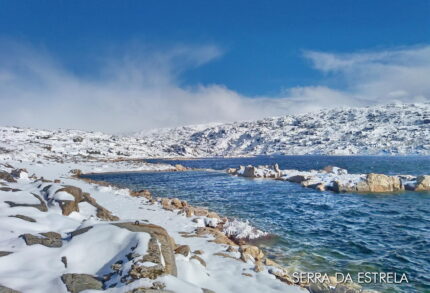
سيرا دا إستريلا: هي أعلى سلسلة جبال في البرتغال القارية، وتضم أول حديقة طبيعية أنشئت في البرتغال، بمساحة تقارب 101 ألف هكتار، في 16 يوليو 1976. سيرا دا إستريلا هي المكان الذي نجد فيه أدنى درجات الحرارة في البرتغال في الشتاء، مع تساقط الثلوج بانتظام خلال الشتاء، وهو المكان الذي نجد فيه منتجع التزلج الوحيد في البرتغال، على ارتفاع أقصى يبلغ 1993 مترًا في توري، ويشمل البلديات الثلاث كوفيليا، سيا، ومانتيغاس. تشتهر منطقة غواردا جدًا بفن الطهي، ولا سيما جبن سيرا دا إستريلا، أرز الكاركويجا، مشروب الزنجبيل، براندي العسل أو أسماك التراوت من مانتيغاس، وبتربية كلاب سلالة سيرا دا إستريلا، ذات خصائص كلاب الحراسة والرعي. في سيرا دا إستريلا نجد منبع أكبر نهرين وطنيين حصريين: نهر موندغو ونهر زيزيري. في وادي كوا، في منطقة غواردا، توجد أروع مجموعة من النقوش الصخرية في الهواء الطلق على مستوى العالم. توجد خمس وعشرون بحيرة يمكننا زيارتها.
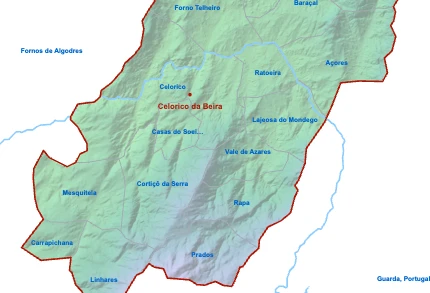
سيلوريكو دا بيرا
سيلوريكو دا بيرا: هي قرية تقع على ارتفاع حوالي 550 مترًا في أقصى شمال Serra da Estrela، ويبلغ عدد سكانها حوالي 7100 نسمة. في Celorico da Beira، نبرز كنيسة سانتا ماريا، وكنيسة Misericórdia، و Solar do Queijo، ومتحف المزارع والجبن. تُعرف هذه المنطقة بأنها "عاصمة جبن Serra da Estrela". أكثر المناطق رمزية في هذه البلدية هي Linhares da Beira، المصنفة كقرية تاريخية. يشمل تراث هذه القرية القلعة، وعمود الشرف، وكنيسة Nossa Senhora da Assunção الرئيسية. مع مناظر طبيعية خلابة، إنها مكان مفضل لممارسة الطيران الشراعي ومسرح لبطولات الطيران الحر المنتظمة.
كوفيليا
كوفيليا: هي مدينة تقع جنوب غرب Serra da Estrela ويبلغ عدد سكانها حوالي 52 ألف نسمة. نبرز زيارة مصنع Covilhã الملكي للأقمشة، ومتحف Lanifícios بجامعة Beira Interior، وكنيسة Santa Cruz، وكنيسة São Martinho، وكنيسة Nossa Senhora da Conceição، وكنيسة Misericórdia، وعمود الشرف، وأسوار المدينة، ومعبد Senhora das Cabeças الروماني في Orjais. بالقرب من Covilhã يمكننا زيارة المنتجع الحراري Unhais da Serra، بمياه تبلغ 31 درجة مئوية ومناسبة لعلاج الروماتيزم، ومشاكل الجهاز التنفسي، ومشاكل الجلد. على المستوى الطبيعي، نبرز Covão do Boi، و Cascalheira do Alto da Pedrice، و Vale Glaciário da Alforfa، و Piornos، و Varanda dos Carqueijais. أعلى نقطة في Serra da Estrela هي "Torre"، وتتقاسمها Covilhã، Seia، و Manteigas.
فورنوس دي ألغودريس
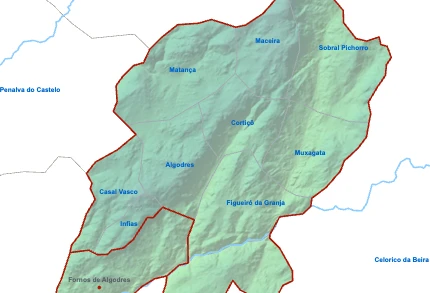
فورنوس دي ألغودريس: هي قرية صغيرة تضم 12 أبرشية: Algodres، Casal Vasco، Cortiçô و Vila Chã، Figueiró da Granja، Fornos de Algodres، Infias، Juncais، Vila Ruiva و Vila Soeiro do Chão، Maceira، Matança، Muxagata، Queiriz، و Sobral Pichorro و Fuinhas.
غوفيا
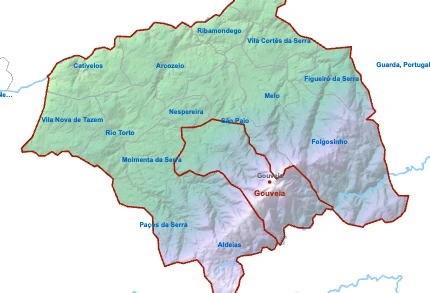
غوفيا: هي مدينة تقع في الجزء الغربي من Serra da Estrela ويبلغ عدد سكانها حوالي 15 ألف نسمة. تقع Gouveia على ارتفاع حوالي 700 متر. في هذه البلدية، يجب تسليط الضوء على متحف Abel Manta البلدي للفن الحديث، ومكتبة Vergílio Ferreira البلدية، ومبنى البلدية، و Casa da Torre، وكنيسة São Pedro، وكنيسة Misericórdia. بالقرب من المدينة يقع دير São Francisco. فيما يتعلق بالتراث الطبيعي، يجب تسليط الضوء على Casais de Folgosinho، وهضبة Santinha، وصخور Penhas Douradas، ووادي Rossim، و Sumo do Mondego.Cabeça do Velho: هي صخرة مهيبة على شكل رأس بشري، تقع على جانب الطريق n232 الذي يربط Gouveia. Cabeça do Velho هي نقطة مرجعية للصور مع المناظر الطبيعية لمنتزه Serra da Estrela الطبيعي.
مانتيغاس
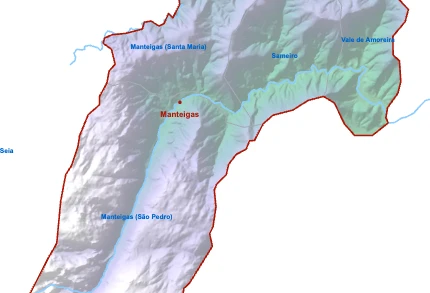
مانتيغاس: هي قرية تقع في قلب حديقة Serra da Estrela الطبيعية، ويبلغ عدد سكانها حوالي 3500 نسمة. تقع قرية Manteigas على ارتفاع حوالي 775 مترًا. فيما يتعلق بالتراث المعماري، نبرز Casa das Obras، وهو قصر نبيل بني في وسط هذه القرية. بالقرب من Manteigas يوجد منتجع حراري، يعتبر مناسبًا لعلاج مشاكل الجهاز التنفسي، والعظام، والجلد. تتميز Manteigas بتراث طبيعي غني جدًا، ولا سيما Cântaros Magro، Raso و Gordo، و Rua dos Mercadores، و Miradouro do Fragão do Corvo، و Nave de Santo António، و Poço do Inferno، ووادي نهر Zêzere الجليدي، و Seixo Branco، و Vale das Éguas، و Covão da Ponte.
- Poço do Inferno: هو شلال يقع بالقرب من بلدة Manteigas، في Serra da Estrela، مع سقوط مياه في بحيرة صغيرة من المياه الشفافة محاطة بالصخور والطبيعة.
ميدا
ميدا: هي مدينة تقع على ارتفاع حوالي 670 مترًا في قلب Serra da Estrela، وتشتهر بجمالها الطبيعي الكبير وإنتاج النبيذ. من التراث التاريخي، نبرز الكنيسة الرئيسية من القرن السادس عشر، وبرج الساعة، ونافورة Praça da Igreja، و Fonte do Espírito Santo، والمتحف البلدي، وقصر Casas Novas من القرن الثامن عشر. بالقرب من Mêda نبرز قرية Marialva التاريخية، والموقع الأثري Vale do Mouro، وحمامات Longroiva الحرارية.
سيا
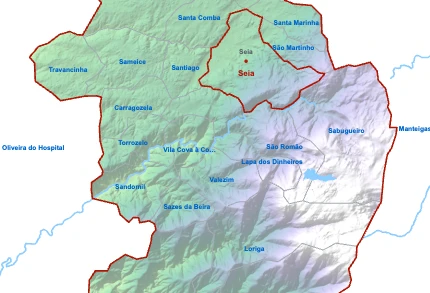
سيا: هي مدينة تقع في الجزء الجنوبي الغربي من Serra da Estrela، ويبلغ عدد سكانها حوالي 25 ألف نسمة. في مدينة Seia، نبرز الكنيسة الرئيسية، وكنيسة Nossa Senhora do Rosário، وكنيسة São Pedro، وقصر Botelhos، وكنيسة Misericórdia، و Casa do Despacho، وقصر عائلة Miranda Brandão، ومتحف الألعاب، ومتحف الخبز، و Fonte da Casa das Obras، حيث يقع مبنى البلدية. فيما يتعلق بالتراث الطبيعي في Seia، نبرز بحيرة Comprida، وبحيرة Favas، ووادي Caniça، و Covão do Urso، وشلال Fervença، ومضيق وبرك Loriga، ونهر Alva.
- متحف الخبز: هو متحف خاص تزيد مساحته المغطاة عن 3500 متر مربع في مبنى يطل على الجنوب.
- Buraco da Moura: هو شاطئ نهري بقاع وجوانب من صخور الجرانيت الطبيعية، محاط بالنباتات. هنا يمكننا العثور على بار صغير للدعم.
- CISE - مركز تفسير Serra da Estrela: هو كيان مخصص لتعزيز المعرفة ونشر التراث البيئي لسلسلة جبال Serra da Estrela، ولا سيما تعزيز الأنشطة الطبيعية، والبحث العلمي، والتعليم البيئي، والسياحة الطبيعية؛
- متحف Seia الطبيعي للكهرباء: هو متحف يضم مجموعة محطة Senhora do Desterro الكهرومائية القديمة، وهي واحدة من أقدم المحطات الكهرومائية في البرتغال التي افتتحت عام 1909.
- سد Vale do Rossim: هو سد في Vale de Rossim، في قلب الطبيعة، وهو مكان ممتع جدًا للمشي. هذا المكان يحظى بشعبية كبيرة في الصيف كشاطئ نهري. بالقرب من السد يوجد منتجع بيئي ومطعم.
- Lagoa Comprida: هي بحيرة طبيعية تقع في منظر طبيعي خلاب، بجوار Serra da Estrela. الشاطئ النهري يحظى بشعبية كبيرة خلال الصيف.
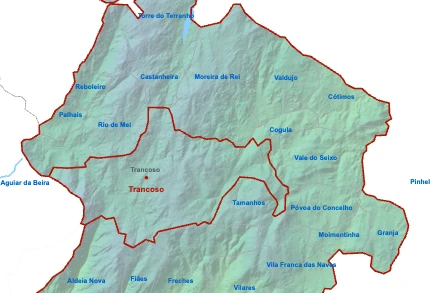
ترانكوسو
ترانكوسو: هي مدينة تقع على ارتفاع حوالي 900 متر، وهي جزء من مسار القرى التاريخية في البرتغال. في ترانكوسو، نبرز حديقة ترانكوسو البلدية، وكنيسة ساو بارتولوميو، حيث أقيم زواج الملك البرتغالي د. دينيس من الملكة سانتا إيزابيل عام 1282، وكنيسة سانتا ماريا دي غيمارايش، وكنيسة ميزيريكورديا، وكنيسة ساو بيدرو حيث دفن الشاعر/النبي البرتغالي باندارا، ومنزل-ثكنة الجنرال الإنجليزي بيريسفورد، والقصر الدوقي الحي اليهودي القديم، والقلعة. بالقرب من ترانكوسو يمكننا زيارة مقبرة أنثروبومورفيكا (مقبرة ما قبل التاريخ)، وكنيسة سانتا لوزيا، وكنيسة نوسا سينهورا دا فريستا، وكنيسة سينهور دا كالشادا، ونافورة فيد، ونافورة نوفا، ودير الرهبان.
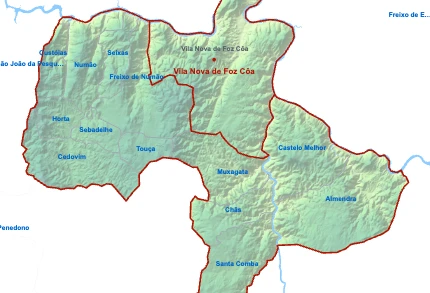
فيلا نوفا دي فوز كوا
فيلا نوفا دي فوز كوا: هي مدينة تقع في منطقة غواردا ويبلغ عدد سكانها حوالي 3 آلاف نسمة. فيلا نوفا دي فوز كوا هي موقع تراث عالمي لليونسكو بسبب نقوشها الصخرية في الهواء الطلق في وادي نهر كوا، وهي واحدة من أكبر المراكز الأثرية للفن الصخري في أوروبا. في فيلا نوفا دي فوز كوا، نبرز كنيسة نوسا سينهورا دا كونسيساو، وكنيسة سانتا لوزيا، وكنيسة نوسا سينهورا دا فيغا بجوار نهر دورو، وكنيسة سانتا باربرا، وكنيسة ساو بيدرو، وكنيسة سانتو أنطونيو، وسد ومحطة بوسينيو، ومحمية الصيد المشتركة، و Miradouro dos Aflitos. يتميز مطبخ فيلا نوفا دي فوز كوا بأطباق تقليدية مثل الخنزير البري، والجدي المشوي، وكعك اللوز، و súplicas، و migas de peixe، واللحوم المدخنة، وعجة الهليون البري. في فوز كوا، هو موقع إنتاج نبيذ "باركا فيلها"، وهو أحد أشهر أنواع النبيذ في البرتغال.
اقتصاد غواردا
تعتمد منطقة غواردا بشكل رئيسي على صناعات السيارات، والأغذية، والنسيج، وتحويل الأخشاب، وتربية الماشية والأغنام، وزراعة البطاطس، والحبوب، والنبيذ، وزيت الزيتون. مع اقتصاد ذي هيكل إنتاجي مقسم إلى ثلاثة قطاعات رئيسية: التجارة بنسبة 41% من النشاط، والصناعات التحويلية بنسبة 23%، وصناعة البناء بنسبة 15%. في الصناعات التحويلية، يجب تسليط الضوء على مجالات الأغذية، والنسيج، وتحويل الموارد الطبيعية إلى طاقة، مع التركيز على طاقة الرياح. يلعب إنتاج النبيذ دورًا مهمًا في الاقتصاد وقد زادت قدرته التصديرية: أكثر من 620 ألف زجاجة نبيذ، أي ما يقرب من 21% من الإنتاج، مخصصة لأسواق مثل بولندا، فرنسا، لوكسمبورغ، سويسرا، أنغولا، البرازيل، الصين، والولايات المتحدة الأمريكية وفقًا للجنة الإقليمية لزراعة الكروم. منتج نموذجي آخر يزداد قدرته التصديرية هو الجبن، مع سبعة عشر منتجًا معتمدًا للجبن، بما في ذلك سبعة منتجين لجبن Serra، الذين يزيدون مبيعاتهم إلى أسواق مختلفة، مع تركيز خاص على السوق الصينية. يلعب معهد غواردا للفنون التطبيقية دورًا مركزيًا في اقتصاد هذه المنطقة البرتغالية لأنه يسمح بتثبيت السكان الشباب، وزيادة القدرة التنافسية للشركات، وتعزيز الاستثمار في البحث والتطوير. تساهم هذه المؤسسة التعليمية بنسبة 72% من المعرفة في هذا المجال. تتمتع غواردا بإمكانات نمو قوية، وتقع في منطقة استراتيجية تشمل الطرق السكك الحديدية والبرية الرئيسية في شبه الجزيرة الأيبيرية. تعمل هذه المنطقة كموقع استراتيجي للشركات التي تسعى للتوسع في السوق الأيبيرية والأوروبية.
حرف غواردا اليدوية
الحرف اليدوية في منطقة غواردا غنية جدًا وقديمة. المنتجات الرئيسية، والصناعات الزراعية والحرفية في هذه المنطقة البرتغالية هي:
- زيت الزيتون: بإنتاج ملايين اللترات من زيت الزيتون المخصص تقريبًا للتصدير إلى إيطاليا وإسبانيا والولايات المتحدة الأمريكية؛
- الكستناء؛
- النقانق: في بلدية غواردا يتم إنتاج نقانق الدم، والفارينهايراس، والشوريساس، ولحم الخنزير المقدد، والبطون؛
- جبن سيرا: هو جبن معالج مصنوع يدويًا منذ مئات السنين من حليب الأغنام التي تتغذى على المراعي الحرة، وهو أحد أكثر أنواع الجبن تقديرًا في البرتغال، مع شهادة DOC (تسمية المنشأ المحمية) من الاتحاد الأوروبي. تم تسمية جبن سيرا كواحدة من عجائب فن الطهي السبع في البرتغال عام 2011.
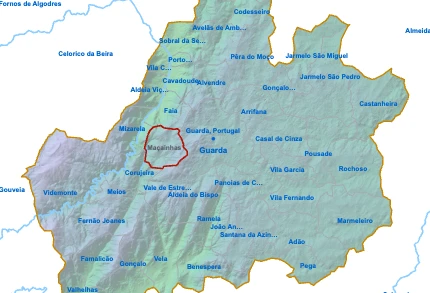
- أجراس ماساينهاس: هي أجراس برونزية مصنوعة يدويًا في قرية ماساينهاس منذ العصور القديمة. تستخدم أجراس ماساينهاس حول رقاب الأغنام، بهدف إشارة الراعي فيما يتعلق بحيوانات المرعى.
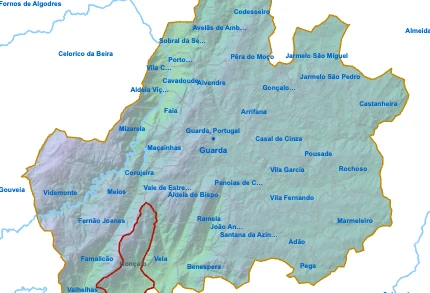
- سلال غونزالو: هي نشاط قديم يعود إلى فترة ما قبل الاحتلال الروماني، ويتكون من الإنتاج اليدوي للسلال من القصب والصفصاف كأدوات يومية.
- بطانية بابا: هي بطانية يدوية تقليدية برتغالية من منطقة غواردا، تم إنشاؤها من النشاط الحرفي لإنتاج البطانيات المصنوعة من صوف الأغنام البرتغالية الأصيلة من سلالة موندغيرا، التي تنشأ من منطقة غواردا. تم تعزيز إنتاج المنسوجات في القرن الثامن عشر من خلال مشروع حكومي برتغالي بمبادرة من ماركيز دي بومبال.
- سكاكين فيردوجال: هي نشاط حرفي لإنتاج سكاكين ذات شفرة فولاذية ومقبض خشبي.
- فرن مجتمعي: هو تقليد لا يزال موجودًا في بعض مناطق البرتغال، حيث يسمح وجود فرن مجتمعي للعائلات المقيمة بالاجتماع وخبز الخبز المنتج من الدقيق المنتج من بذورها من الجاودار والقمح والذرة.
مطبخ غواردا
مطبخ غواردا تقليدي، متنوع ومكثف. تشمل الأطباق التقليدية في هذه المنطقة تخصصات مثل: حساء الحمص؛ حساء الكستناء؛ سمك القد المشوي على طريقة لاغاريرو؛ سمك القد على طريقة كونت دي غواردا؛ سمك القد المشوي على طريقة لاغاريرو؛ سمك التراوت؛ نقانق الدم؛ الجدي المشوي؛ شرائح لحم الخنزير البري مع الكستناء؛ الكرز؛ التفاح؛ الخوخ؛ الأرز بالحليب؛ مربى اليقطين؛ الفيلوزيس؛ جبن سيرا؛ الريكوتا.
المعارض والاحتفالات الدينية في منطقة غواردا
في منطقة غواردا، هناك العديد من المهرجانات والاحتفالات الدينية التي يجب تسليط الضوء عليها:
- احتفال سيدة ميلو الديني، يقام سنويًا في أغسطس؛
- احتفال سيدة الرحمة الديني، يقام سنويًا في سبتمبر؛
- احتفال القديس بطرس الديني، يقام سنويًا في أبريل؛
- معرض القديس فرانسيسكو، يقام سنويًا في أكتوبر؛
- مهرجان سيدة العصفور.
غواردا، مدينة الحرف الخمسة "ف"
تُعرف غواردا بمدينة الحرف الخمسة "ف"، وتتميز بأنها قوية، غنية، باردة، وفية، وجميلة:قوية: بسبب الموقع الدفاعي للقلعة، وحجر الجرانيت، الذي يميز المناظر الطبيعية الحضرية والطبيعية لغواردا؛غنية: بسبب التربة الخصبة وكمية كبيرة من المجاري المائية التي تضمن استدامة المنطقة؛باردة: بسبب المناخ الناتج عن الارتفاع والقرب من Serra da Estrela؛وفية: بسبب الحقيقة التاريخية أن أهلها كانوا منذ العصور القديمة مخلصين، نزيهين، صادقين، ومضيافين؛جميلة: بسبب جمال المناظر الطبيعية، والتراث، والحدائق، والمنتزهات الطبيعية.
تاريخ غواردا
تلقت مدينة غواردا أول ميثاق لها عام 1199 من قبل د. سانشو الأول، ثاني ملوك البرتغال. مدينة غواردا هي عاصمة مقاطعة تحمل نفس الاسم، وهي واحدة من أكبر البلديات البرتغالية من حيث عدد الأبرشيات، والمساحة المادية، وعدد السكان. تُصوّر هذه المدينة في المنطقة الوسطى من البرتغال بأنها عالية، جبلية، تاريخية، وضخمة.تتمتع هذه المنطقة البرتغالية بأكثر من 800 عام من التاريخ وتراث فريد في البلاد، ولها رمزان: برج الحراسة، حيث يمكن رؤية منظر طبيعي بجمال نادر يمتد إلى إسبانيا، والكاتدرائية.تتميز منطقة غواردا بجودة هوائها منذ القرن التاسع عشر، وينعكس ذلك في بناء مصحة مخصصة لعلاج السل بأمر من الملكة د. أميليا في القرن التاسع عشر، وجائزة "المدينة البيومناخية الأيبيرية" الممنوحة عام 2002 من قبل الاتحاد الأوروبي للبيومناخ.
التنظيم الإداري لمنطقة غواردا
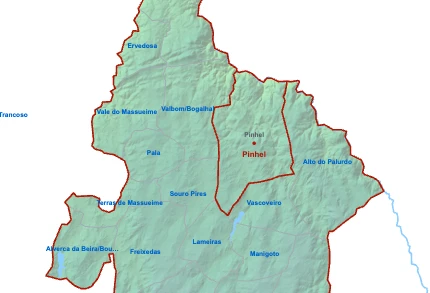
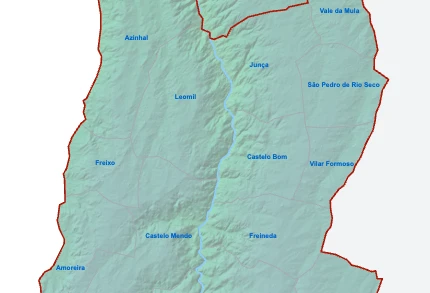
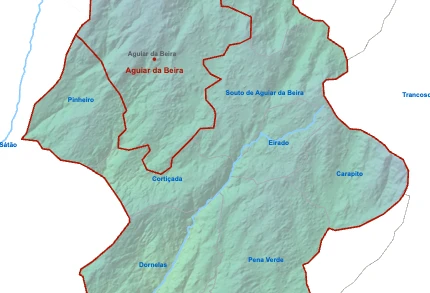
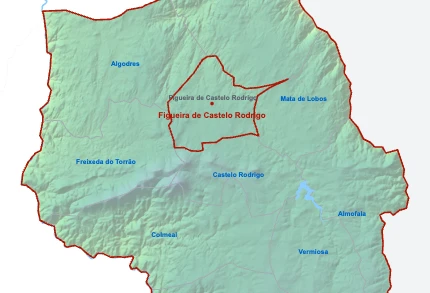
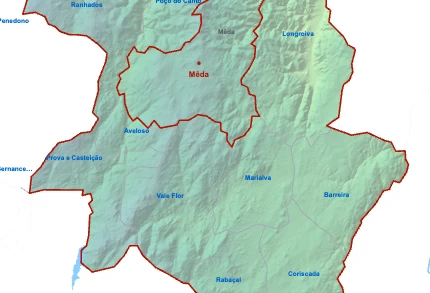
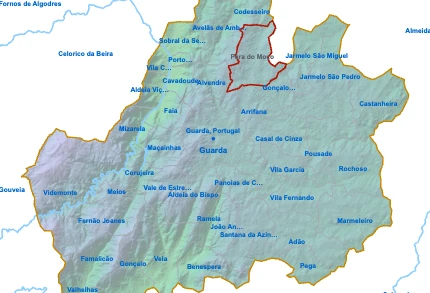
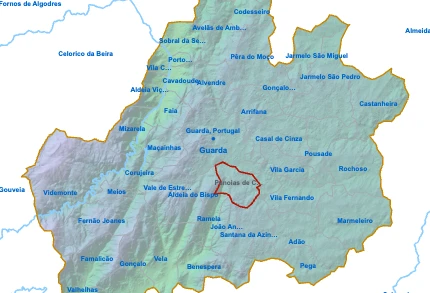
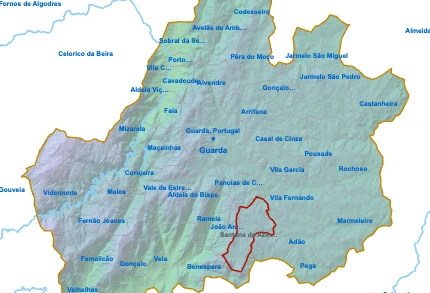
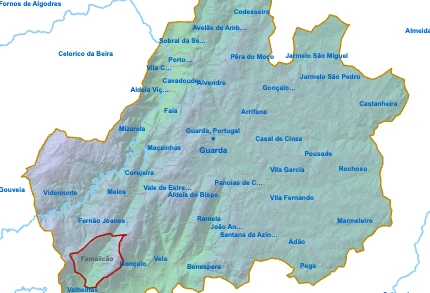
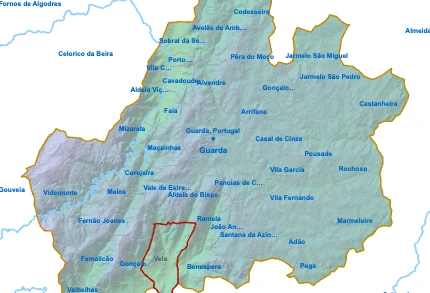
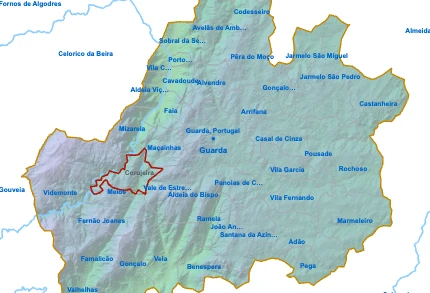
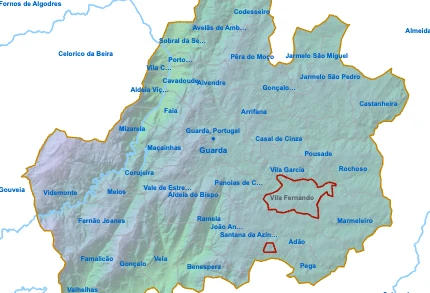
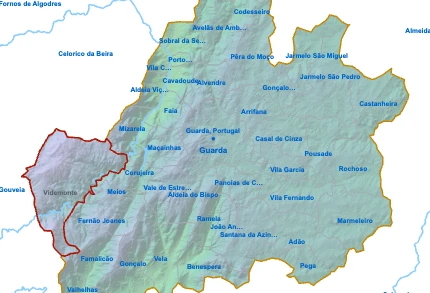
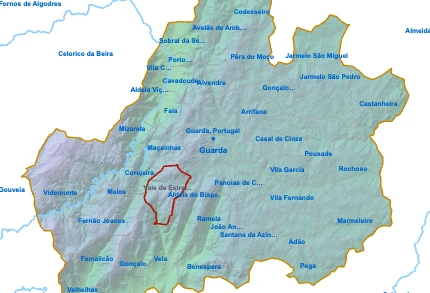
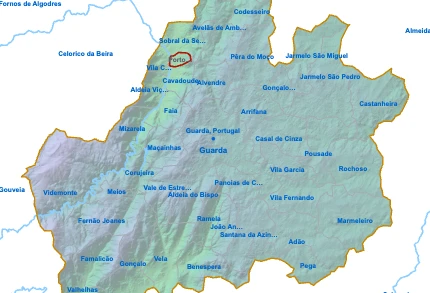
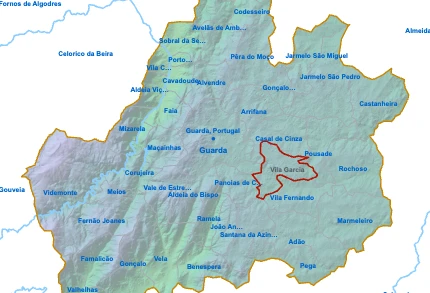
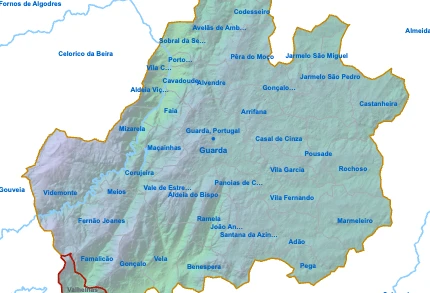
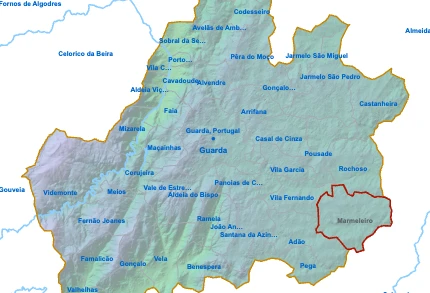
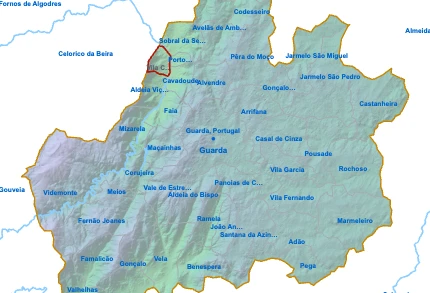
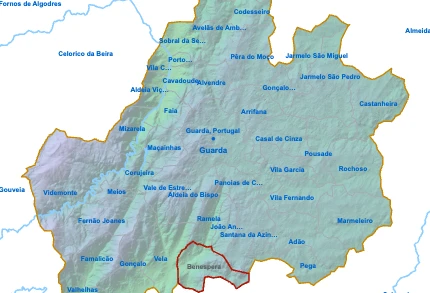
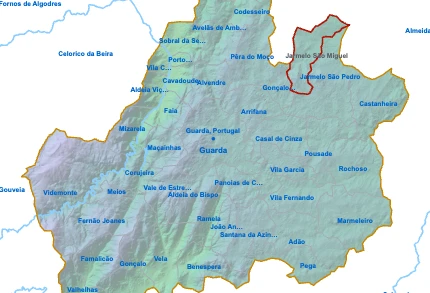
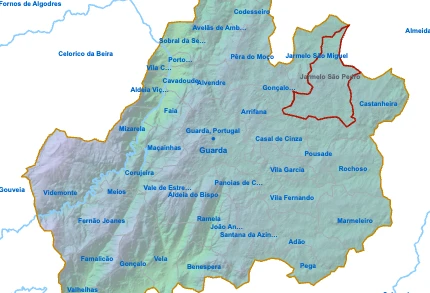
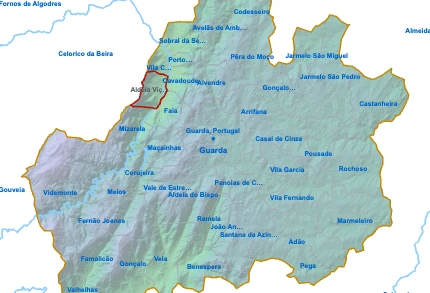
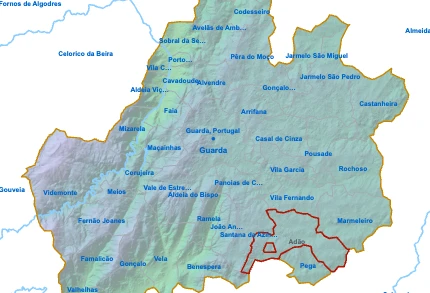
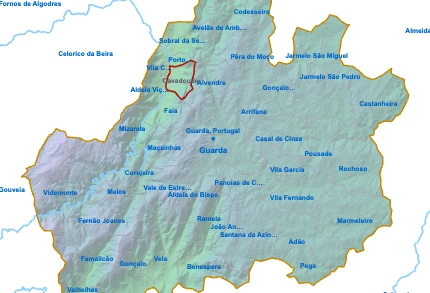
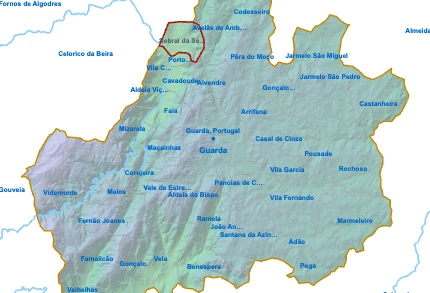
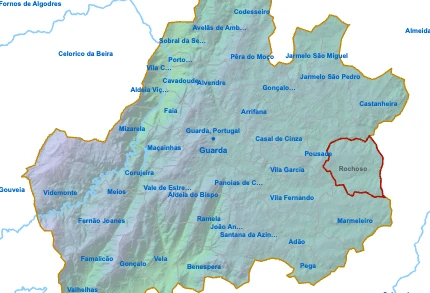
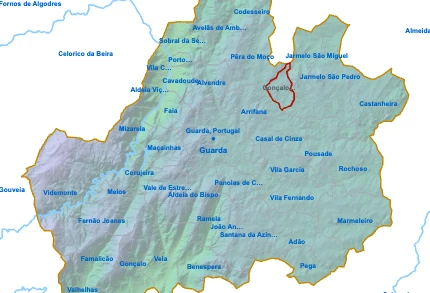
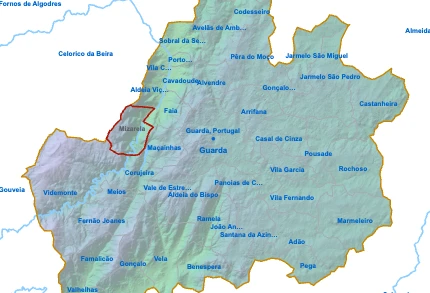
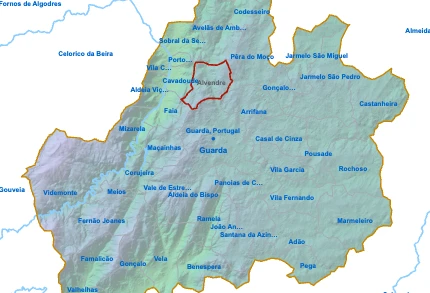
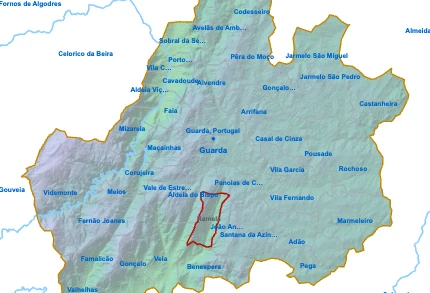
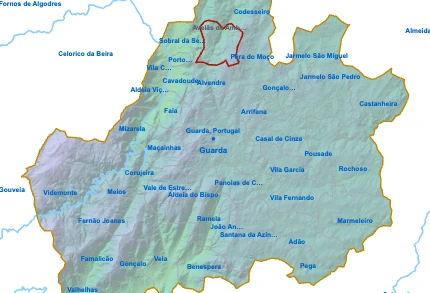
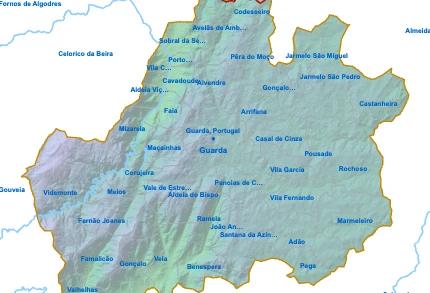
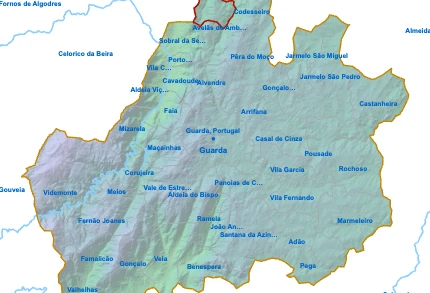
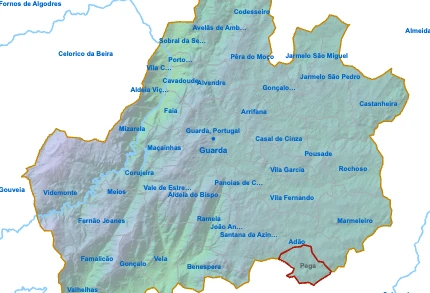
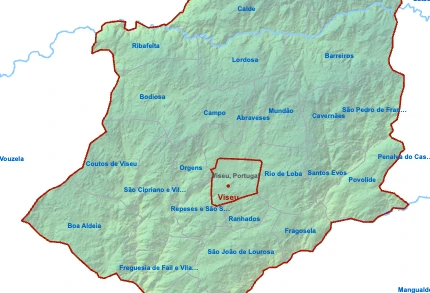
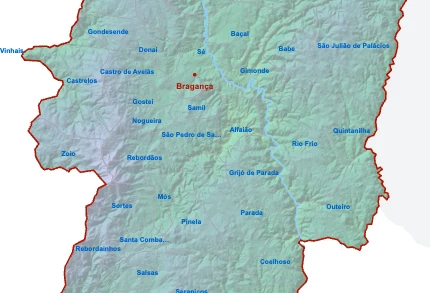
تحد منطقة غواردا مناطق براغانسا، كاستيلو برانكو، كويمبرا، وفيزيو. يمر بهذه المنطقة أنهار دورو، موندغو، زيزيري، وألفا. تنظم منطقة غواردا في 14 بلدية: أغيار دا بيرا، ألميدا، سيلوريكو دا بيرا، فيغيرا دي كاستيلو رودريغو، فورنوس دي ألغودريس، غوفيا، غواردا، مانتيغاس، ميدا، بينهيل، سابوغال، سيا، ترانكوسو، وفيلا نوفا دي فوز كوا. وفي 43 أبرشية: أداو، ألديا دو بيسبو، ألديا فيسوسا، ألفندر، أريفانا، أفيلاس دا ريبيرا، أفيلاس دي أمبوم وروكاموندو، بينيسبيرا، كاسال دي سينزا، كاستاينيرا، كافادودي، كوديسيرو، كوروخيرا وتريتا، فايا، فاماليكاو، فيرناو جوانز، غونزالو، غونزالو بوكاس، غواردا، جارميلو ساو ميغيل، جارميلو ساو بيدرو، جواو أنتاو، ماساينهاس، مارميليرو، ميوس، ميزاريلا، بيرو سواريس وفيلا سوييرو، بانوياس دي سيما، بيغا، بيرا دو موسو، بورتو دا كارني، بوسادي وألباردو، راملا، روشوسو ومونتي مارغاريدا، سانتانا دا أزينها، سوبرال دا سيرا، فالي دي إستريلا، فالهيلاس، فيلا، فيديمونتي، فيلا كورتيس دو موندغو، فيلا فيرناندو، فيلا فرانكا دو ديو، وفيلا غارسيا.
حقائق وغرائب عن غواردا
- يُطلق على سكان غواردا اسم إيجيتانيين أو غواردنسيين.
- كتب بايو سواريس دي تافيروس عام 1189 أحد أوائل النصوص باللغة الغاليسية-البرتغالية؛
- عطلة البلدية: 27 نوفمبر؛
- عدد سكان مدينة غواردا: حوالي 26 ألف نسمة؛
- عدد سكان البلدية: حوالي 43 ألف نسمة؛
- عدد سكان المنطقة: حوالي 175 ألف نسمة؛
- المساحة: 712.1 كيلومتر مربع؛
- سنة تأسيس مدينة غواردا: عام 1199 على يد د. سانشو الأول؛
- منطقة البرتغال: الوسطى؛
- المنطقة: غواردا؛
- المقاطعة القديمة: بيرا ألتا؛
- الاقتصاد: 41% في قطاع التجارة، 23% في الصناعات التحويلية، و 15% في البناء؛
- عطلة البلدية: 27 نوفمبر.