
مدينة Viseu
تُعد Viseu إحدى المدن الرئيسية في منطقة وسط البرتغال، ويبلغ عدد سكانها حوالي 60,000 نسمة. تُصنف كواحدة من المدن الأوروبية ذات أفضل جودة حياة، وتُعرف بأنها وجهة للطهي، وتتميز بأنظف الأرصفة، وأفضل مسارات الدراجات، وأفضل نظام طرق، وأفضل توفر للمساحات الخضراء، وأفضل وأكثر تنوعًا في المطاعم ومحلات السوبر ماركت والمراكز التجارية. إنها أكبر مركز حضري في البرتغال خارج الساحل، وتشهد نموًا مستمرًا. Viseu هي عاصمة مقاطعة مقسمة بين وسط وشمال البرتغال، وتحدها من الشمال مقاطعات Porto وVila Real وBragança، ومن الشرق مقاطعة Guarda، ومن الجنوب مقاطعة Coimbra، ومن الغرب مقاطعة Aveiro. تبعد 299 كم عن Lisboa و128 كم عن Porto عبر الطريق السريع. يعتمد اقتصادها على الزراعة (نبيذ Dão) وزراعة البطاطس، والصناعات النسيجية، والإلكترونية، والسيراميك، ومواد البناء.
أماكن الجذب السياحي في Viseu (أفضل 11)
المركز التاريخي لـ Viseu
يُعد المركز التاريخي لـ Viseu أهم منطقة في المدينة، حيث تبلغ مساحته حوالي 25.4 هكتارًا ويضم 658 مبنى، معظمها يعود إلى ما قبل عام 1950. خضعت هذه المنطقة من مدينة Viseu لأعمال تجديد عميقة: إعادة تأهيل جميع المباني، وإنشاء مواقف للسيارات الخاصة وحافلات السياحة، وتحسين شبكة النقل العام، وتقديم حوافز لسكان المركز التاريخي لتحويل شرفات منازلهم إلى "حدائق معلقة"، وتوطين الخدمات التي تنشط هذا المكان مثل حاضنة الأعمال أو المعهد الإقليمي للموسيقى. تُعرف Viseu باسم "مدينة الحدائق في البرتغال"، ولديها مركز حضري منظم حول الساحات والحدائق، مما يوفر جودة حياة فريدة في البرتغال، وظروفًا ممتازة للتفاعل الاجتماعي. أبرز معالم المنطقة الحضرية في Viseu هي:
- ساحة D Duarte: هي واحدة من أقدم الساحات في المدينة، ولها ثمانية مداخل لثمانية شوارع. توجد هنا مبانٍ من العصور الوسطى ومحلات تجارية في الطابق الأرضي، وهو تقليد قديم في البرتغال؛
- ساحة Rossio (ساحة الجمهورية): هي قلب المدينة، حيث نجد متحف Casa Museu Almeida Moreira، ومبنى Paços do Concelho، وكنيسة Igreja dos Terceiros de São Francisco، وحديقة Jardim das Mães، وحديقة Jardim Tomás Ribeiro، ومنتزه Parque Aquilino Ribeiro.
- ساحة Largo da Sé: هي المكان العام المتميز في Viseu، مع إمكانية الوصول إلى جميع أنحاء المدينة تقريبًا. توجد هنا مبانٍ ذات أهمية تاريخية قصوى، مثل كاتدرائية Viseu، ومتحف Grão Vasco، أو كنيسة Misericórdia. تُعد ساحة Largo da Sé أعلى نقطة في المركز التاريخي لـ Viseu؛
- شارع Rua Direita: هو أحد الشوارع المؤسسة لمدينة Viseu. يُعد شارع Rua Direita الشارع التجاري الرئيسي في المدينة، وهو مركز تجاري حقيقي في الهواء الطلق، يضم محلات نموذجية في منازل من القرن السادس عشر؛
- شارع Rua Formosa: بُني في القرن التاسع عشر بهدف إنشاء مركز جديد ومنطقة تجارية جديدة في Viseu. هنا نجد مبنى Paços do Concelho، حيث يقع مجلس المدينة؛
- شارع Rua do Hilário: الموقع القديم الذي كان يضم حي اليهود، الحي اليهودي في Viseu. سُمي شارع Rua do Hilário بهذا الاسم تكريمًا لأوغوستو هيلاريو، مؤسس فادو Coimbra الذي ولد في هذا المكان.
كاتدرائية Viseu
كاتدرائية Viseu: هي كاتدرائية مصنفة كنصب وطني، وتتميز بالأنماط القوطية والمانويلية والباروكية التي تظهر في أعمال النحت والبلاط والرسم، وقد بدأ بناؤها في القرن الثاني عشر وتم تجديدها بشكل كبير في القرن الثالث عشر، ودُمرت بالكامل تقريبًا في عاصفة وقعت في القرن السابع عشر. من هذه العاصفة، نجا برج الساعة، وتم استعادة الواجهة والمذبح الرئيسي. يُعد دير الكاتدرائية أحد المراجع الرئيسية لعصر النهضة البرتغالية. هنا يمكننا زيارة متحف الفن المقدس لكاتدرائية Viseu / كنز الكاتدرائية، وهو متحف يضم مجموعات من الأشياء الدينية وصور مذابح تذكارية للأساقفة.
حديقة Fontelo
حديقة Fontelo: هي حديقة معروفة بغابتها وكمية كبيرة من المعدات لممارسة الأنشطة الرياضية في الهواء الطلق: ملاعب كرة القدم، ملعب تنس، حمامات سباحة، ومسار للمحافظة على اللياقة البدنية.
حديقة Aquilino Ribeiro
حديقة Aquilino Ribeiro: هي حديقة المدينة ذات النباتات الكثيفة والمتنوعة في قلب Viseu.
Cava do Viriato
Cava de Viriato: هي نصب وطني منذ عام 1910، وتتكون من تحصين من أصل روماني يقع بالقرب من موقع معرض São Mateus، شمال مدينة Viseu. كانت "Cava" معسكرًا تقليديًا في العصر الروماني. على الرغم من أن الاسم يتضمن اسم Viriato، إلا أن Cava لا علاقة لها بالمحارب اللوسيتاني Viriato. فقط في القرن السادس عشر تم ربط اسم Viriato بـ Cava.
مسرح Viriato
مسرح Viriato: هو مسرح معترف به كمؤسسة ذات منفعة عامة. يتميز بهندسة معمارية وديكور أنيقين ومفصلين للغاية ويقع في Largo Mouzinho de Albuquerque. افتتح في عام 1883 باسم Teatro da Boa União، ولكن في عام 1898 اعتمد اسمه الحالي تكريمًا للبطل البرتغالي Viriato. في هذا المسرح يمكننا حضور عروض ثقافية منتظمة، بإدارة وبرمجة من مركز الفنون المسرحية في Viseu، وهي جمعية ثقافية وتربوية.
متحف Grão Vasco
متحف Grão Vasco: هو أهم متحف في مدينة Viseu، ويضم قطعًا مصنفة على أنها "كنوز وطنية"، ولا سيما المذبح القديم لكنيسة Sé de Viseu الرئيسية المكون من أربع عشرة لوحة تصور مشاهد من ميلاد ووفاة يسوع المسيح، ومجموعة من حوالي 1300 وثيقة، و17 كتابًا مخطوطًا و4 أختام، وقطعًا تعود إلى القرون الثالث عشر إلى العشرين، ومجموعة من أعمال الرسام Vasco Fernandes (Grão Vasco) التي كانت موجودة في خزانة كنيسة Sé de Viseu، وقطع خزفية من مجموعات برتغالية من أواخر القرن التاسع عشر والعقود الأولى من القرن العشرين تتكون من الخزف الشرقي، والفخار البرتغالي والسيراميك الأوروبي، ومنحوتات من القرون الثالث عشر والخامس عشر والسادس عشر، ومجموعة أثاث تعود إلى القرن السابع عشر حتى النصف الثاني من القرن العشرين، وقطع نسيجية تتكون من سجاد، وملابس دينية، وأدوات طقسية، وأغطية سرير، وشظايا أقمشة، وقطعة قماش مطرزة بالحرير من الصين من القرن السابع عشر، ومجوهرات من تركات Visconde da Trindade، والعقيد Joaquim Cabral Cavaleiro وD. Maria Fernanda de Vasconcelos Lucena e Vale، من القرن السابع عشر إلى القرن العشرين. يقع متحف Grão Vasco في القصر الأسقفي القديم.
حديقة Jardim das Mães
حديقة Jardim das Mães: هي حديقة صغيرة وهادئة تقع في المركز التاريخي للمدينة، مليئة بالزهور الملونة، مع مساحات مزينة ومنظمة بمقاعد حديقة.
متحف الكوارتز
متحف الكوارتز: هو متحف أُنشئ في فوهة بركانية ناتجة عن استخراج حجر الكوارتز، مما يخلق نافذة إلى باطن الأرض. يتميز متحف الكوارتز بجانب تعليمي قوي، مع زيارات مكيفة لمختلف الفئات العمرية، ومعرض دائم ومعارض مؤقتة لمواضيع علم المعادن.
مسار Ecopista Do Dão
مسار Ecopista Do Dão: هو مسار للدراجات حاصل على جائزة التميز وجائزة التنقل بالدراجة. يبلغ طوله 49.2 كم ويمر عبر بلديات Viseu وTondela وSanta Comba Dão. تم إنشاء Ecopista على خط السكة الحديد القديم الذي افتتح عام 1890 وأغلق بالكامل عام 1988. في Ecopista do Dão يمكننا المشاركة في جولات من نقاط انطلاق ووصول مختلفة، بما في ذلك: Tonda وTondela وTondelinha وViseu وAguiar da Beira وCaramulo وCarregal do Sal وCastro Daire وFarminhão وMangualde وOliveira de Frades وPenalva do Castelo وSanta Comba Dão وSernada do Vouga. توجد 11 جولة مصممة مسبقًا بواسطة ecopistadodao.pt، والتي يمكن إجراؤها في يوم واحد أو عدة أيام، مع المرور بنقاط اهتمام طبيعية وثقافية ومنتجعات صحية وفنادق وبيوت ضيافة وسياحة ريفية وغيرها الكثير. هنا يمكننا ركوب المسار الكامل للدراجات من أي من النقاط، أو القيام بجولات مخصصة تناسب أي شخص، وزيارة المحطات القديمة المختلفة على طول الطريق: Santa Comba Dão وTreixedo وTonda وTondela وSabugosa وParada de Gonta وFarminhão وTorredeita وMosteirinho (محطة توقف) وFigueiró وTravassós وTondelinha وVildemoinhos (محطة توقف).
طريق Dão
طريق Dão: هو مسار دائري بطول 11.7 كم، مع ارتفاع تراكمي يبلغ 530 مترًا، يبدأ من مدرسة Escola E B 2,3 D. Luís de Loureiro في Silgueiros، ثم يتبع قرية Pindelo باتجاه منطقة الغابات وزراعة الكروم. في هذا المسار سنمر بنهر Dão ومزارع إنتاج النبيذ Quinta do Perdigão وQuinta de Santos Lima.
أماكن جذب أخرى للزيارة في Viseu
قصر الجليد
قصر الجليد: هو أكبر مركز تجاري في مقاطعة Viseu، وقد افتتح عام 1996 وتم تجديده عام 2008. يضم مركز Palácio do Gelo للتسوق ست قاعات سينما، وأكبر هايبر ماركت في المنطقة، وبار جليدي، ومحلات أزياء، وتراسًا يطل على جبال Estrela وCaramulo.
منتدى Viseu
منتدى Viseu: هو مركز تجاري يتكون من 4 طوابق، ويقع في وسط مدينة Viseu، ويضم 6 قاعات سينما، ومنطقة لتناول الطعام، ومحلات ملابس عالمية، وخدمات، و800 مكان لوقوف السيارات.
بوابة الفرسان
بوابة الفرسان: هي إحدى البوابات السبع القديمة التي كانت تؤدي إلى داخل الجدران الرومانية التي كانت تحيط بمدينة Viseu، وهي إحدى أيقونات مدينة Viseu العديدة، وتشكل جزءًا من سور المدينة القديم، وهي قوس يجسد بشكل جيد التراث القروسطي لهذه المقاطعة.
بوابة Soar
بوابة Soar: تُعرف أيضًا باسم Porta de São Francisco، وهي إحدى البوابات السبع لجدران Viseu، وهي جزء من الجدار القديم، وهي هيكل من القرن الخامس عشر مصنف كنصب وطني. بُنيت بوابة Soar بدءًا من عام 1412 ولم تكتمل إلا في عهد أفونسو الخامس.
قصر كونتات Anadia
قصر كونتات Anadia: هو مبنى فخم من القرن الثامن عشر، رائع ومحفوظ جيدًا، تم تكييفه ليصبح متحفًا حيث نجد تاريخ عائلة يختلط بسهولة بتاريخ البرتغال، غني بالتفاصيل، ويمر عبر مختلف عصور تاريخ البرتغال. في المزرعة توجد حدائق واسطبلات، ونشاط محلي لإنتاج زيت الزيتون والنبيذ والخل والعسل محليًا. داخل القصر نبرز السلالم وصالونًا مزينًا بالكامل بألواح البلاط، وخزانة، وأزياء تلك الحقبة.
Carmo 81
Carmo 81: يُعتبر أحد أفضل أماكن الترفيه الليلي والترفيه الثقافي، مع حفلات موسيقية منتظمة في مدينة Viseu. يُعرف Carmo 81 بالجدار المزخرف بقطعة فنية ثلاثية الأبعاد تمثل قطًا.
كنيسة Terceiros de São Francisco القديمة
كنيسة Terceiros de São Francisco القديمة: هي كنيسة من القرن الثامن عشر مزينة من الداخل بنقوش خشبية مذهبة وشريط من البلاط يصور حياة القديس فرانسيس. تقع الكنيسة في نقطة مرتفعة يمكن الوصول إليها عبر درج طويل، مما يتيح لنا الاستمتاع بإطلالة على الحديقة والنافورة.
متحف Terra de Besteiros ومركز المعلومات السياحية
متحف Terra de Besteiros ومركز المعلومات السياحية: هو متحف يقع في قصر Santa Ana، ويضم معرضًا يصور تاريخ المنطقة، من عصور ما قبل التاريخ حتى يومنا هذا، ويغطي جوانب الحياة الاجتماعية. وهو أيضًا المكان الذي يقع فيه مركز المعلومات السياحية في Tondela.
منزل الزراعة وورشة الكتان – المتحف الإثنوغرافي
منزل الزراعة وورشة الكتان – المتحف الإثنوغرافي: هو متحف يضم مجموعات تتعلق بالتراث المرتبط بثقافة الكتان التقليدية.
شاطئ Mangualde الاصطناعي
شاطئ Mangualde الاصطناعي: هو شاطئ رملي تم إنشاؤه عام 2011 في Mangualde، في منطقة رملية بها منطقة سباحة، وهو أيضًا مسرح للحفلات الموسيقية والفعاليات الرياضية. الدخول مدفوع، مع دخول مجاني للأطفال حتى سن 5 سنوات.
كنيسة Misericórdia
كنيسة Misericórdia: هي كنيسة ذات واجهة روكوكو، من النصف الثاني من القرن الثامن عشر، مصنفة كنصب وطني، وتقع أمام كاتدرائية Viseu.
Casa da Ribeira
Casa da Ribeira: هو مساحة مخصصة للحرف اليدوية الإقليمية في Viseu، مع معارض لمختلف الحرف المرتبطة بالصناعات القديمة، والتي تعرض نمط الحياة وثقافة المنطقة.
Anta de Cunha Baixa
Anta da Cunha Baixa: هو نصب حجري ضخم يتكون من غرفة وممر يعود تاريخه إلى ما بين 3000 و2500 قبل الميلاد، ويعود إلى فترة ثقافة Campaniforme، ومصنف كنصب وطني. يقع Anta في منطقة وادي مفتوح بالقرب من نهر Castelo. تُعرض المقتنيات المستخرجة من Anta de Cunha Baixa في المتحف الوطني للآثار في Lisboa.
Citânia Da Raposeira
Citânia da Raposeira: هو موقع بسيط في قلب الطبيعة حيث نجد الآثار الرومانية لنزل يضم العديد من الملاحق بالقرب من جبل Srª do Castelo، ويثبت وجود محور طريق مهم يربط Lusitânia (البرتغال) بعاصمة الإمبراطورية (Roma).
جسر Vouzela للسكك الحديدية
جسر Vouzela للسكك الحديدية: هو جسر قديم ذو جمال معماري كبير، يخلق منظرًا طبيعيًا فريدًا جنبًا إلى جنب مع محيط نهر Zela وبلدة Vouzela. بجانب الجسر توجد حديقة ألعاب للأطفال.
متحف تاريخ المدينة
متحف تاريخ المدينة هو مساحة متحفية صغيرة، تهدف إلى تقدير تاريخ وتراث وشعب Viseu. هنا يمكننا معرفة الكثير من المعلومات عن مدينة Viseu، من العصر الحجري حتى يومنا هذا. إنه متحف مُعتنى به جيدًا، ويحتوي على معلومات شيقة جدًا عن منطقة Viseu.
متحف Casa-Museu Almeida Moreira
متحف Casa-Museu Almeida Moreira: هو متحف يقع في المنزل الذي كان مقر إقامة الكابتن Francisco António de Almeida Moreira، ويضم مكتبة وأعمال فنية ولوحات وأثاثًا قديمًا وخزفًا ومنحوتات.
دير São Francisco
دير São Francisco: هو المكان الذي نجد فيه كنيسة São Francisco do Monte، حيث لم يعد الدير القديم ذو البناء القروسطي موجودًا.
حديقة Arbutus do Demo النباتية
حديقة Arbutus do Demo النباتية: هي حديقة غابات بها مسار عبر الطبيعة، ومع ذلك، تُغلق أحيانًا!
Casa do Miradouro - مجموعة José Coelho الأثرية
Casa do Miradouro - مجموعة José Coelho الأثرية: هو منزل تاريخي افتتح في القرن السادس عشر، ويتميز ببوابته ونوافذه المزدوجة.
لوحة البلاط
لوحة البلاط: هي لوحة بلاط رائعة، تقع في Rossio، المركز التاريخي للمدينة، ومصنفة كنصب ذي أهمية بلدية. البلاط من عمل الفنان الحداثي Joaquim Lopes، وهو من مواليد Porto.
كنيسة Nossa Senhora do Carmo
كنيسة Venerável Ordem Terceira de Nossa Senhora do Monte do Carmo: هي كنيسة من القرن الثامن عشر، مصنفة كنصب وطني.
قصر Marquês de Reriz
قصر Marquês de Reriz: هو قصر يقع في شارع Rua Direita، بُني في القرن الثامن عشر بواجهة مهيبة، حيث يمكننا رؤية شعار العائلة.
قصر كونتات Prime
قصر كونتات Prime: هو قصر تاريخي ذو عمارة باروكية افتتح في القرن الثامن عشر، حيث يقع المعهد الإقليمي للموسيقى Dr José Azevedo Perdigão.
حمامات Alcafache الحرارية
حمامات Alcafache الحرارية: هي الحمامات الحرارية الوحيدة في بلدية Viseu، وتقع في قلب الطبيعة في وادي Dão بجانب النهر، على بعد حوالي 8 كم من المدينة. تُعتبر مياهها من أغنى وأسخن المياه في البرتغال، حيث تنبع مياه هذه الحمامات عند 50 درجة مئوية، وهي ذات تركيبة كبريتية وبيكربونات الصوديوم وقليلة التمعدن، وتُستخدم للعلاج الحراري في أمراض الجهاز التنفسي والمشاكل الروماتيزمية والعضلية الهيكلية.
نافورة الثلاثة فوهات
نافورة الثلاثة فوهات: هي نافورة ضخمة على الطراز الباروكي تقع في ساحة Sé بجانب كنيسة Misericórdia.
شارع Rua Direita de Viseu
شارع Rua Direita: هو أحد أقدم شوارع Viseu، حيث نجد بعض المباني المذكورة في هذا المقال، وبعض المحلات التجارية التقليدية.
كنيسة São João Batista
كنيسة São João Batista: هي كنيسة من القرن الثاني عشر بُنيت من الجرانيت، وكانت في السابق تابعة لرعاية قيادة Malta.
قصر Peixotos
قصر Peixotos: هو قصر من القرن الثامن عشر يمثل العمارة الأرستقراطية لمدينة Viseu، ويتميز بالدرج والبلاط الذي يزين جدرانه. وهو المكان الذي تقع فيه الجمعية البلدية لـ Viseu. قصر Visconde de Treixedo: هو قصر ذو شعار نبالة على الطراز الباروكي مصنف كعقار ذي مصلحة عامة، بُني في النصف الأول من القرن الثامن عشر.
مخيم "Quinta Chave Grande"
مخيم "Quinta Chave Grande": هو مخيم هادئ للخيام والكرفانات محاط بالطبيعة التي تتكون من العشب والأشجار ومنطقة حمام سباحة.
مجمع Príncipe Perfeito الرياضي
مجمع Príncipe Perfeito الرياضي: هو منتزه مائي مجهز بمسبح خارجي مع منزلقات، ومسابح داخلية وصالات ألعاب رياضية.
أماكن وبلديات للزيارة بالقرب من Viseu
Castro Daire
Castro Daire: هي بلدة تقع على جبل Castro Daire، وتتميز بـ كنيسة Carrancas، وصومعة Paiva، والكنيسة الأم، ومتحف بلدية Castro Daire.
Cinfães
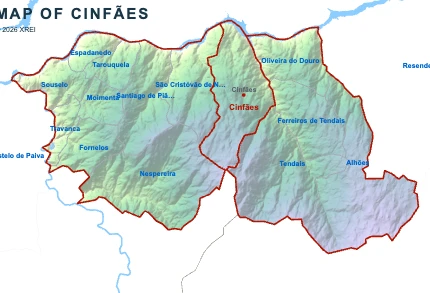
Cinfães: هي بلدة برتغالية يرتبط تاريخها بفرسان الهيكل، حيث امتلكوا حصونًا، ولا سيما برج Chã، أو برج Pintos. ترتبط Cinfães أيضًا بتاريخ طفولة الملك D. Afonso Henriques ومربيه Egas Moniz. في Cinfães نجد تراثًا معماريًا مهمًا، مع التركيز على كنيسة São Cristóvão de Nogueira، وكنيسة Senhora de Cales أو Cádiz، وكنيسة Tarouquela، وكنيسة Escamarão. Cinfães هي موقع أثري لـ Castro das Coroas، وهي مستوطنة محصنة قديمة قد يعود احتلالها إلى العصر البرونزي، وجدار Portas do Montemuro الذي يتكون من جدار حجري يغطي مساحة حوالي خمسة هكتارات بين صخور الجبل، مع العديد من المباني المتناثرة.
Carregal do Sal
Carregal do Sal: بلدة برتغالية تقع في منطقة Dão-Lafões الفرعية، وتشتهر بجمالها الطبيعي، ونبيذ Dão، وزيت الزيتون. أهم معالم هذه البلدة هي متحف بلدية Soares de Albergaria، ومركز Lagar de Varas de Parada الأثري.
Lamego
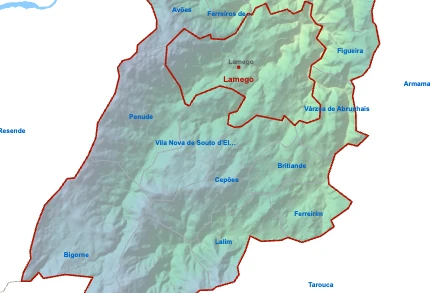
Lamego: هي مدينة تقع في مقاطعة Viseu، وهي ثاني أكبر منطقة في المنطقة ويبلغ عدد سكانها حوالي 13 ألف نسمة. كانت Lamego المكان الذي عقدت فيه أولى محاكم البرتغال خلال عهد أول ملك برتغالي D Afonso Henriques. يشمل تراث المدينة مبانٍ مثل: كنيسة São Pedro de Balsemão؛ قلعة Lamego؛ دير Ferreirim؛ كنيسة Santa Maria de Almacave؛ متحف Lamego؛ مزار Nossa Senhora dos Remédios؛ وكاتدرائية Lamego.
Moimenta da Beira
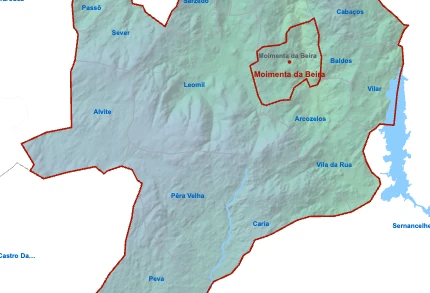
Moimenta da Beira: هي بلدة برتغالية، مقر بلدية تضم 16 أبرشية: Alvite، Arcozelos، Baldos، Cabaços، Caria، Castelo، Leomil، Moimenta da Beira، Paradinha e Nagosa، Passô، Pera Velha، Aldeia de Nacomba e Ariz، Peva e Segões، Rua، Sarzedo، Sever، وVilar. تشتهر Moimenta da Beira بإنتاج النبيذ، وإنتاج التفاح، وبكونها البلدية التي عاش فيها Aquilino Ribeiro في مراحل مختلفة من حياته.
Penedono
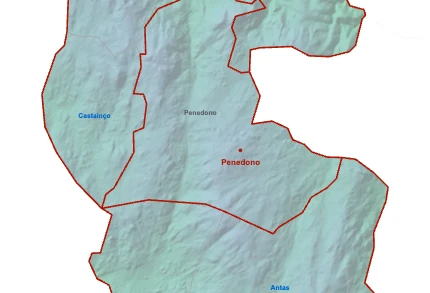
Penedono: بلدة تقع على الحدود الجغرافية للمنطقة البرتغالية Beira. تُعتبر Penedono واحدة من أجمل المناطق في البرتغال. أهم معالم هذه البلدة هي: القلعة، ومركز Penedono للتفسير، ومعصرة زيت الزيتون في Póvoa de Penela، والآثار ما قبل التاريخية، ومبنى البلدية؛
Resende
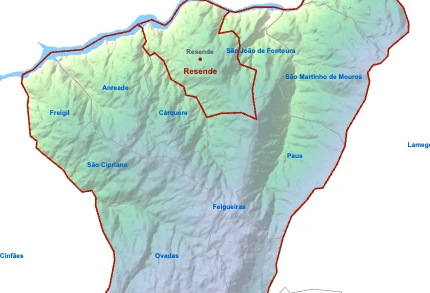
Resende: تقع على بعد حوالي ساعة من مدينة Porto، وتُعد عاصمة الكرز في البرتغال وبوابة منطقة Douro المحددة. تساهم الاحتفالات والمهرجانات في Resende بشكل كبير في تنمية الاقتصاد. أهم الاحتفالات في Resende هي: مهرجان Cavacas، الذي يقام سنويًا في أبريل، ومهرجان الكرز الذي يقام سنويًا في مايو. في Resende تقام العديد من الفعاليات المتعلقة بالرياضات المائية، ولا سيما: التجديف – يقام كأس البرتغال للتجديف، الزلاجات المائية – تقام بطولة البرتغال للزلاجات المائية، والزوارق السريعة – تقام بطولة البرتغال للزوارق السريعة. تشمل بلدية Resende تراثًا تاريخيًا واسعًا، ولا سيما قرية Granja de Ovadas، وقرية Pachorra، وقرية Panchorrinha، وحمامات Caldas de Aregos الحرارية. تشمل المأكولات التقليدية في Resende تخصصات مثل اللحوم المدخنة، ولحم الضأن المشوي في الفرن، والبازولاق، وكافاكاس Resende، وتوست Felgueiras؛
Santa Comba Dão
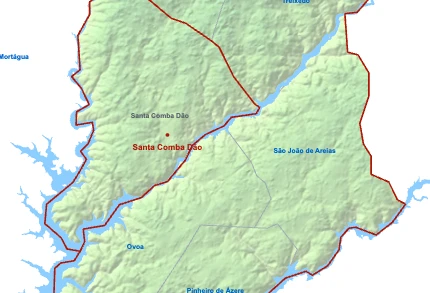
Santa Comba Dão: هي مدينة برتغالية يمر بها Ecopista do Dão، وهو مسار للدراجات بطول 48 كم تم إنشاؤه على خط Dão القديم الذي يمتد من Viseu وTondela وVimieiro. في Santa Comba Dão يمكننا زيارة الكنيسة الأم لـ Santa Comba Dão من القرن الثامن عشر، ومنزل Joaquim Alves Mateus من عام 1555، ومنزل Arcos حيث تقع المكتبة البلدية.
São Pedro do Sul
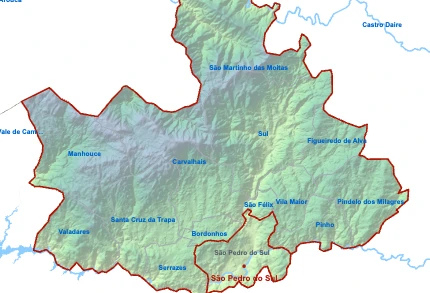
São Pedro do Sul: هي مدينة برتغالية تقع في قلب وادي Lafões. تشتهر هذه المدينة بـ المياه الحرارية وبكونها أكثر الأماكن ازدهارًا في وادي Lafões. في بلدية São Pedro do Sul نبرز مركز São Pedro do Sul الحراري، وقرية Covas do Monte، وقرية Pena، وقرية Fujaço، والحديقة البيولوجية، ودير São Cristóvão de Lafões، وجبل São Macário؛
Sernancelhe
Sernancelhe: هي بلدة برتغالية تاريخية حيث نجد الكنيسة الأم لأبرشية Sernancelhe التي يعود تاريخها إلى القرن الثاني عشر، والمنزل القديم للمنظمة الكاثوليكية الدولية Casa da comenda da Ordem de Malta، والذي يعمل حاليًا كمؤسسة سياحة ريفية.
Mortágua
Mortágua: هي بلدة برتغالية ومقر بلدية حيث نجد آثارًا أثرية تعود إلى العصر الحجري القديم؛
Penalva do Castelo
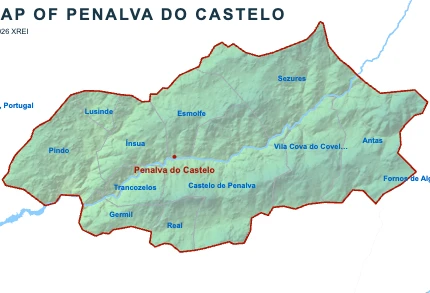
Penalva do Castelo: هي بلدة برتغالية تقع في منطقة Dão-Lafões الفرعية. تشتهر هذه المنطقة بجمالها الطبيعي، ونبيذ Dão de Penalva، وتفاح Maçã Bravo de Esmolfe، وجبن Serra. أهم معالمها هي Casa da Ínsua، والكنيسة الأم.
ملعب Montebelo للغولف
ملعب Montebelo للغولف: يقع بين جبال Estrela وCaramulo ويضم ملعب غولف بسبعة وعشرين حفرة.
حمامات Alcafache الحرارية
حمامات Alcafache الحرارية: هي حمامات حرارية تقع على بعد حوالي 8 كم من Viseu في قلب الطبيعة في وادي Dão. يُشار إلى مياه هذه الحمامات لعلاج المشاكل الصحية، ولا سيما أمراض الجهاز التنفسي، والأمراض الجلدية، والروماتيزم المزمن، وأمراض الجهاز العضلي الهيكلي.
حمامات Caldas de Felgueira الحرارية
حمامات Caldas de Felgueira الحرارية: هي منتجع حراري يقع في وادي Alto Mondego ضمن مشهد طبيعي فريد. تُستخدم مياه هذه الحمامات منذ القرن التاسع عشر لعلاج أمراض متنوعة.
حمامات Carvalhal الحرارية
حمامات Carvalhal الحرارية: تقع في بلدية Castro Daire في قلب جبال Montemuro وArada. تبلغ درجة حرارة الماء 42 درجة مئوية في المتوسط. يُنصح بمياه هذه الحمامات لعلاج الأمراض الجلدية، وأمراض الجهاز الهضمي، وأمراض الجهاز التنفسي.
مطبخ Viseu
يوقظ مطبخ Viseu أذواقًا فريدة ومكثفة. يلعب الطهي في هذه المنطقة دورًا مهمًا في جذب السياح إلى المنطقة. تشمل Viseu تخصصات مثل:
- حساء Beira
- أرز Carqueja
- أرز Lampreia
- لحم الماعز المشوي
- Migas à lagareiro
- النقانق
- لحم الخنزير المقدد
- Rancho à Moda de Viseu
- الأخطبوط المشوي على طريقة Lagareiro
- سمك السلمون المرقط من Paiva
- Beijinhos
- كستناء بيض Viseu
- Cavacas
- معجنات Vouzela
- تفاح Beira Alta
- تفاح Bravo de Esmolfe
- جبن Serra da Estrela
- لحم العجل من Lafões
- نبيذ Dão
نبيذ Viseu
في مقاطعة Viseu توجد ثلاثة أنواع رئيسية من النبيذ:
- نبيذ Dão: نبيذ يُزرع في منطقة Dão لإنتاج النبيذ. تبلغ مساحة هذه المنطقة حوالي 376 ألف هكتار في منطقة جبلية ذات مناخ قاسٍ. تشمل منطقة Dão المحددة البلديات التالية في مقاطعة Viseu: Aguiar da Beira، Mangualde، Nelas، Penalva do Castelo، Tondela، وViseu.
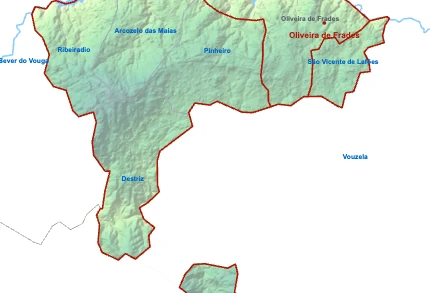
- نبيذ Lafões: يُزرع هذا النبيذ على طول نهر Vouga ويشمل بلديات Oliveira de Frades، São Pedro do Sul، وVouzela.
- نبيذ "Beiras" الإقليمي: نبيذ يُزرع في بلديات Aguiar da Beira، Mangualde، Nelas، Penalva do Castelo، Sátão، Tondela، Oliveira de Frades، Viseu، وVouzela.
مقاطعة Viseu
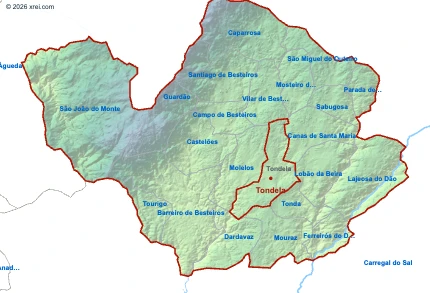
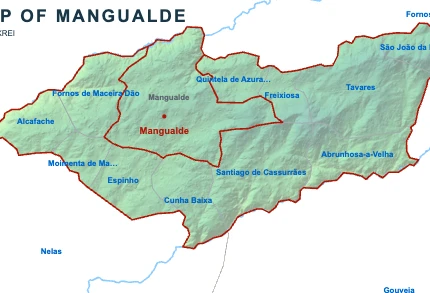
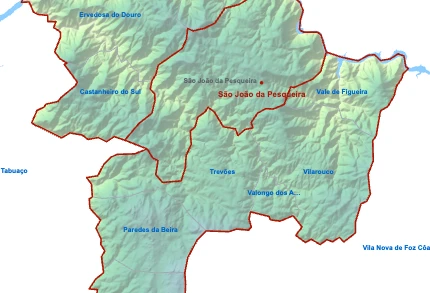
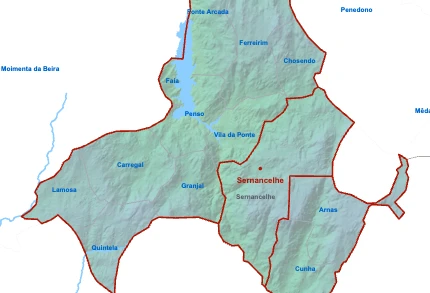
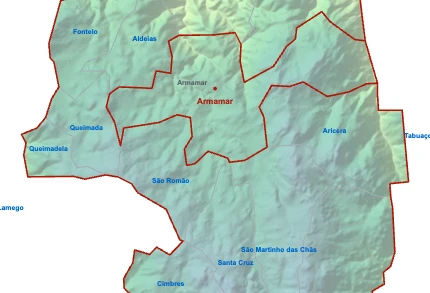
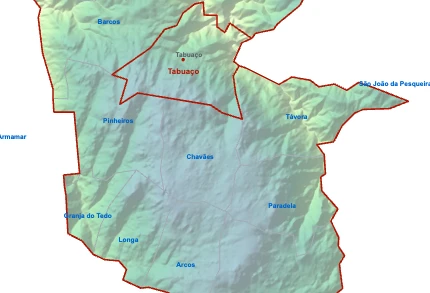
تتميز مقاطعة Viseu بتقلبات حرارية عالية، مع مناخ متوسطي ذي تأثير قاري وبحري، وشتاء قاسٍ ورطب، وصيف حار وجاف. تنقسم مقاطعة Viseu إلى 24 بلدية: Armamar، Carregal do Sal، Castro Daire، Cinfães، Lamego، Mangualde، Moimenta da Beira، Mortágua، Nelas، Oliveira de Frades، Penalva do Castelo، Penedono، Resende، Santa Comba Dão، São João da Pesqueira، São Pedro do Sul، Sátão، Sernancelhe، Tabuaço، Tarouca، Tondela، Vila Nova de Paiva، Viseu، وVouzela.
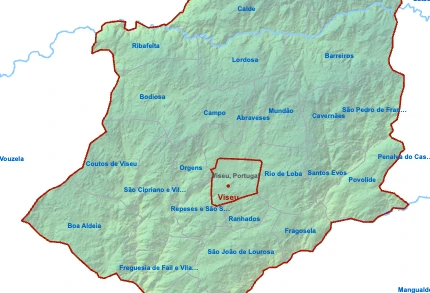
بلدية Viseu
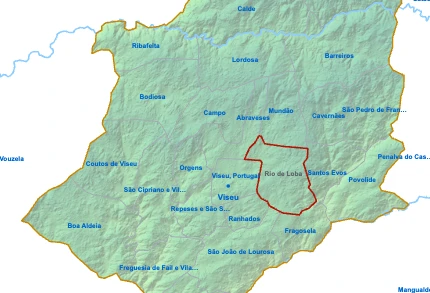
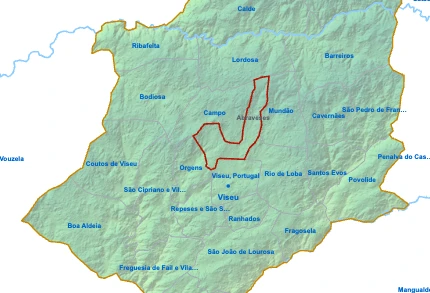
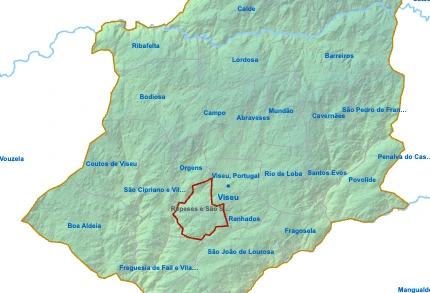
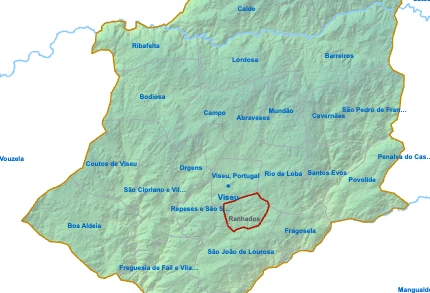
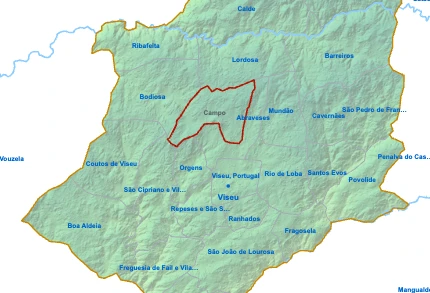
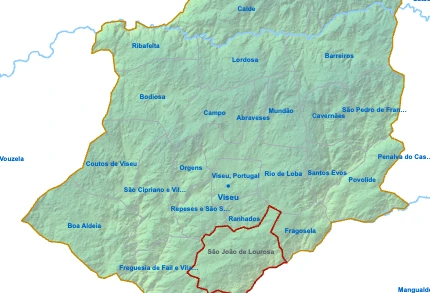
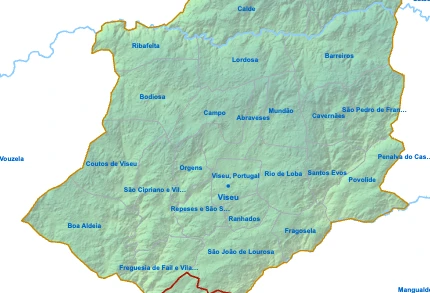
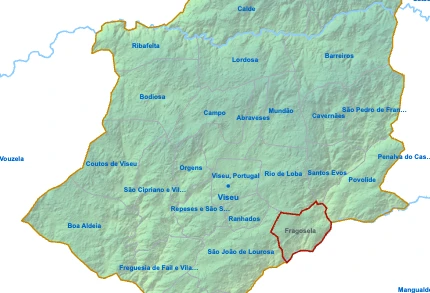
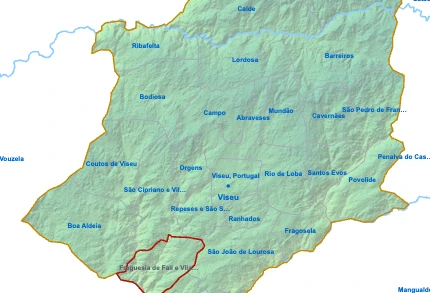
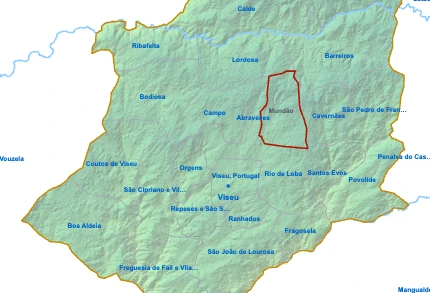
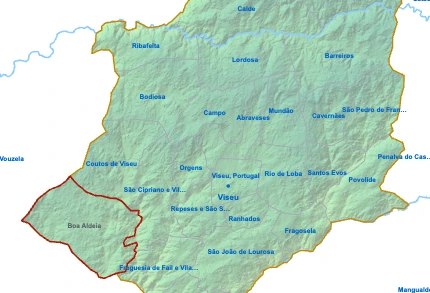
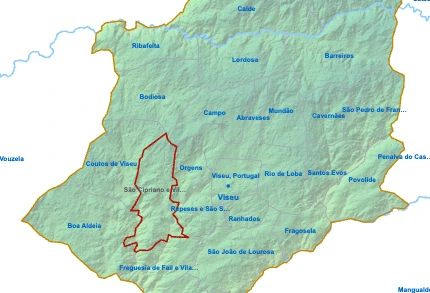
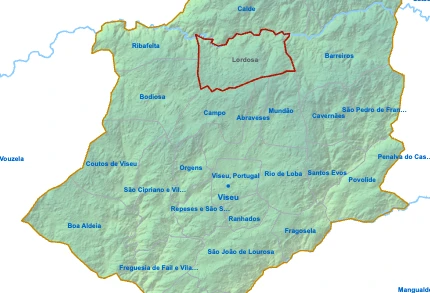
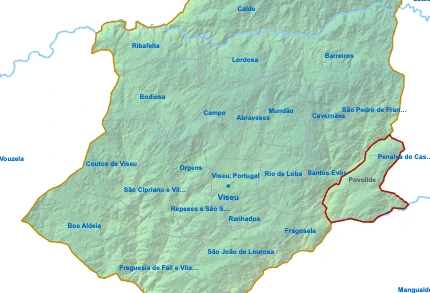
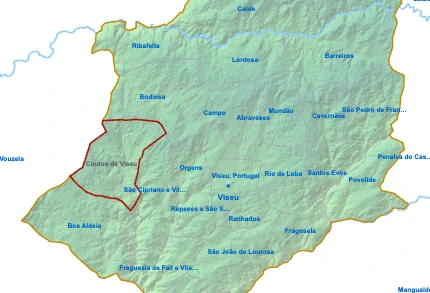
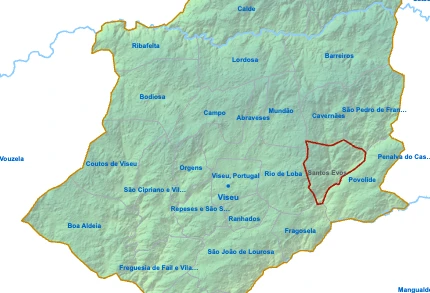
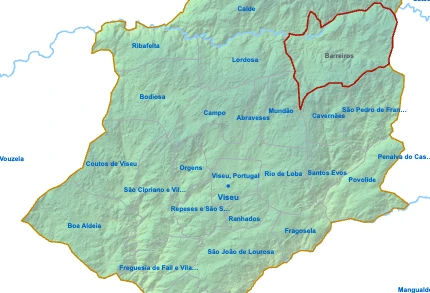
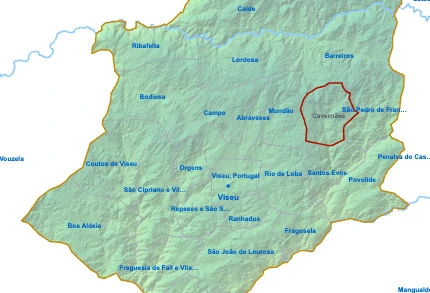
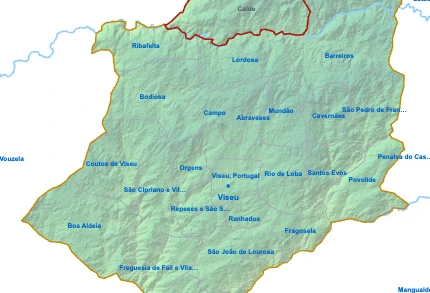
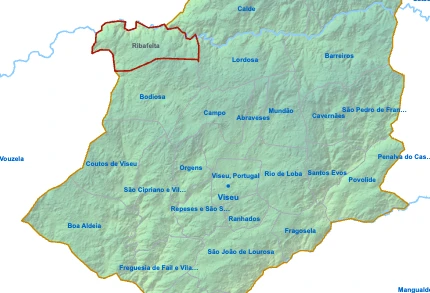
في بلدية Viseu توجد 25 أبرشية: Abraveses، Barreiros e Cepões، Boa Aldeia، Farminhão e Torredeita، Bodiosa، Calde، Campo، Cavernães، Cota، Coutos de Viseu، Fail e Vila Chã de Sá، Fragosela، Lordosa، Mundão، Orgens، Povolide، Ranhados، Repeses e São Salvador، Ribafeita، Rio de Loba، Santos Evos، São Cipriano e Vil de Souto، São João de Lourosa، São Pedro de France، Silgueiros ومدينة Viseu.
جغرافيا Viseu
تقع Viseu على هضبة Viseu، محاطة بمساحات واسعة من غابات الصنوبر والكستناء والبلوط، وتحيط بها سلسلة جبلية تتكون من جبال Leomil وMontemuro وLapa، وجبل Arado، وجبال Estrela وLousã، وجبل Caramulo. هنا نجد أنهار Vouga وDão وPaiva وDouro وMondego.
تاريخ Viseu
تأسست Viseu خلال فترة الاحتلال الروماني، مع منطقتين رئيسيتين: تل كاتدرائية Sé ومنطقة Regueira السفلى. كانت منطقة Regueira مزودة بعدد كبير من الطرق الرومانية، مما سمح بظهور Cava do Viriato، وهي مستوطنة ستؤدي إلى مدينة Viseu الحالية، وهو المكان الذي ولد فيه Viriato، الصياد والراعي والمحارب الذي قاتل ضد الاحتلال الروماني في القرن الثاني. Viriato هو الشخصية الأسطورية الأكثر أهمية في تاريخ البرتغال، البطل اللوسيتاني من منطقة Viseu الذي قاوم الغازي الروماني في القرن الثاني. في عام 572 خلال احتلال القوط الغربيين، كان لمستوطنة Viseu بالفعل أسقف. في القرن الثامن، احتلت Viseu من قبل المسلمين، وتم استعادتها من قبل فرناندو ماجنو، ملك ليون وقشتالة في عام 1058. كانت Viseu مقر إقامة الكونت D. Henrique وD. Teresa؛ وكانت D. Teresa هي التي منحت الميثاق في عام 1123. بدأت هذه المنطقة في النمو في القرن الرابع عشر، وتم التبرع بها في عام 1416 إلى الأمير D Henrique خلال القرن الخامس عشر. منح الملك D Manuel I ميثاقًا جديدًا لـ Viseu في عام 1513. اكتسبت Viseu أهمية ثقافية، ولا سيما في الرسم خلال القرن السادس عشر مع الرسام Vasco Fernandes، الذي يمكننا إعادة إحياء أعماله في متحف Grão-Vasco. شهدت Viseu توقف هذا النمو بسبب عاصفة في القرن السابع عشر دمرت معظم المدينة، والتي تعافت بعد ذلك في القرن التاسع عشر مع إعادة بناء المدينة، مع التركيز على المبنى الذي نجد فيه مجلس بلدية Viseu وشارع Formosa مع المدخل الرئيسي للمركز التاريخي.
اقتصاد Viseu ومشاريع مبتكرة
تنتج Viseu القمح والذرة والجاودار والبطاطس والخضروات والفواكه. أهم محصول في المقاطعة هو الكرمة. أهم الصناعات في منطقة Viseu هي: الخشب والسيراميك والمعادن والمنتجات الغذائية. عززت Viseu اقتصادها من خلال تبني مشاريع مبتكرة، ولا سيما:
- "2017: العام الرسمي لزيارة Viseu": حملة تسويقية تهدف إلى الترويج للمدينة في شبه الجزيرة الأيبيرية.
- الطريق السريع المركزي: يهدف إلى ربط Coimbra وViseu.
- Ecopista do Dão: يهدف هذا المشروع إلى تنفيذ مسارات للدراجات بطول إجمالي يبلغ حوالي 50 كم.
- حاضنة الأعمال في المركز التاريخي لـ Viseu: مشروع يهدف إلى تنشيط المركز التاريخي وخلق فرص عمل في مجالات التراث والثقافة والتكنولوجيا.
- Viseuinveste: هو مشروع يهدف إلى جذب الاستثمار لشركات المنطقة. MUV / التنقل الحضري: يهدف هذا المشروع إلى بناء شبكة حضرية من مسارات الدراجات بحلول عام 2018.
في مقاطعة Viseu توجد خمس مجموعات صناعية:
- مجموعة السيارات: تقع في Mangualde وTondela وNelas وVouzela. تشمل شركات مثل Citroen وBomoro Portuguesa ومجموعة Bosch وSasal – Assentos para Automóveis وEDA وFaurecia.
- مجموعة السيراميك: تقع في Santa Comba Dão وتضم شركات مثل Aquatis وCerutil وVisabeira.
- مجموعة الخشب: تقع في Nelas وSanta Comba Dão وتشمل شركات مثل Sonae وLusofinsa وMadiberia وDierre Portugal.
- مجموعة المعادن: تقع في Viseu وتضم شركات مثل Martifer أو Gruvis.
- مجموعة النسيج: تقع في Nelas وVouzela وتشمل شركات مثل Borgstena Textile Portugal وBritons Portugal.
معارض Viseu
تُعد معارض Viseu من المعالم السياحية ذات الأهمية الكبيرة للمنطقة، ولا سيما:
- معرض São Mateus: هو أهم معرض في Viseu، وهو معرض تاريخي أُنشئ بموجب ميثاق المعرض الممنوح من الملك D. João I في 10 يناير 1392. يُعد معرض São Mateus معرضًا تنظمه بلدية Viseu ويزوره أشخاص من جميع أنحاء العالم، في مكان يجمع فنانين برتغاليين وعالميين كبار، مع عشرات الحفلات الموسيقية، ومنتزه ترفيهي بمساحة 9000 متر مربع كامل مع ألعاب لجميع الأعمار، وعشرات المطاعم التي تقدم المأكولات التقليدية للمنطقة، وفعاليات ومعارض تجارية، وحضور منطقة Dão لإنتاج النبيذ وعرض النبيذ المنتج. يُبحث عن المعرض من قبل أكبر العلامات التجارية البرتغالية التي تسعى لرعاية الفعاليات ذات الشهرة الكبيرة. يجمع معرض São Mateus سنويًا أكثر من 1000 عامل لإنجازه، مما يولد مئات فرص العمل. يقام معرض São Mateus سنويًا خلال النصف الأول من أغسطس.
- الأسبوع المقدس: يقام سنويًا بين 9 و16 أبريل.
- مهرجان الربيع للموسيقى: يقام سنويًا بين 10 و30 أبريل.
- احتفال 2 مايو: يقام سنويًا في 2 مايو.
- الاحتفالات الشعبية والمسيرات والفروسية: تقام سنويًا بين 1 و30 يونيو.
حرف Viseu اليدوية
تشمل حرف Viseu اليدوية منتجات من أنشطة متنوعة للغاية، ولا سيما النجارة، وصناعة السلال، والزهور الورقية، والحديد المطاوع، والفخار، والأثاث، والنسيج. تلعب مؤسسة Casa da Ribeira دورًا مهمًا في الحفاظ على هذه الفنون القديمة والترويج لها، حيث يمكننا زيارة ومشاهدة الحرفيين وهم يعملون.
مطار Viseu
يُقدم مطار Viseu (مطار Gonçalves Lobato) رحلات منتظمة من وإلى Bragança، Vila Real، Cascais بالقرب من Lisboa، وإلى Portimão في جنوب البرتغال. يقع على بعد 7 كم من وسط مدينة Viseu، ويحتوي على مدرج أسفلت بطول 1200 متر وعرض 30 مترًا، مع شهادة من المعهد الوطني للطيران المدني (INAC) مما يسمح له باستقبال الرحلات التجارية والعمليات الجوية. يوجد في هذا المطار مدرسة لتدريب الطيارين (Aero Clube de Viseu).
مثل Viseu
"من لم يزر Viseu قط، لا يعرف ما فاته!". هذا المثل الشعبي ولد في مدينة Viseu ويعبر عن الشغف الذي يشعر به السكان تجاه هذه المنطقة البرتغالية. تتميز مدينة الحدائق أو مدينة المتاحف بفن حسن الضيافة والمأكولات ذات النكهات الغنية.
حقائق سريعة عن Viseu
- عدد سكان المنطقة: حوالي 400 ألف نسمة
- عدد سكان مدينة Viseu: حوالي 60 ألف نسمة
- مساحة المنطقة: 507.10 كم مربع
- التأسيس: 1123
- المنطقة: المركز
- المنطقة الفرعية: Dão-Lafões
- المقاطعة: Viseu
- المقاطعة القديمة: Beira Alta
- العطلة البلدية: 21 سبتمبر