
Santa Clara-a-Velha is a Gothic monastery of Poor Clare nuns on the left bank of the Mondego in Coimbra, founded in 1283 by the noblewoman Mor Dias and refounded in 1314 by Queen Isabel of Aragon, the wife of King Dinis. The floods of the Mondego filled the monastery again and again from 1331, and the nuns left it for a new convent on higher ground in the 17th century.
The monastery is a National Monument since 16 June 1910.
What to see at Santa Clara-a-Velha Monastery
- Church: a Gothic church with three naves under a stone vault, attributed to the royal architect Domingos Domingues, consecrated on 8 July 1330.
- Cloister: the remains of a cloister of monumental size, which the state heritage service describes as the largest known Gothic cloister in Portugal.
- Interpretation centre: a museum with the objects found in the excavations, such as ceramics, rosaries and rings left by the nuns.
History of Santa Clara-a-Velha Monastery
- 1283: Mor Dias founds a small convent, whose works are stopped by the canons of Santa Cruz.
- 10 April 1314: Pope Clement V authorises Queen Isabel to refound the monastery.
- 8 July 1330: the church is consecrated, and the queen plans to be buried there.
- 1331: the first recorded flood of the Mondego reaches the monastery, a year after the consecration.
- 17th century: the nuns move to the new convent of Santa Clara-a-Nova, on the hill above.
- 16 June 1910: the monastery is classified as a National Monument.
- 2020 to July 2023: the monastery closes for restoration works.
Visiting Santa Clara-a-Velha Monastery
- Location: the monastery is on the left bank of the Mondego, in the parish of Santa Clara e Castelo Viegas, near Portugal dos Pequenitos.
- Floods: the river can still reach the site in winter, and visits may close after heavy rain.
Places to visit in Coimbra
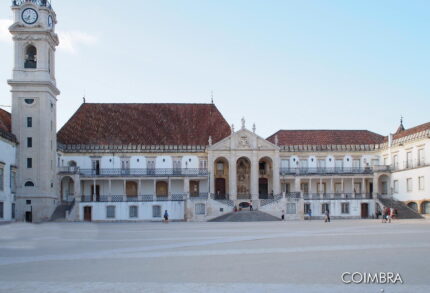
Coimbra, Portugal
University of Coimbra – Alta and Sofia
University of Coimbra – Alta and Sofia
Santa Cruz Monastery
Santa Cruz Monastery
Old Cathedral of Coimbra
Old Cathedral of Coimbra
You're reading Santa Clara-a-Velha Monastery article
Santa Clara-a-Velha Monastery
Portugal dos Pequenitos
Portugal dos Pequenitos
History of Coimbra
History of Coimbra
Visiting Coimbra