
São Bento
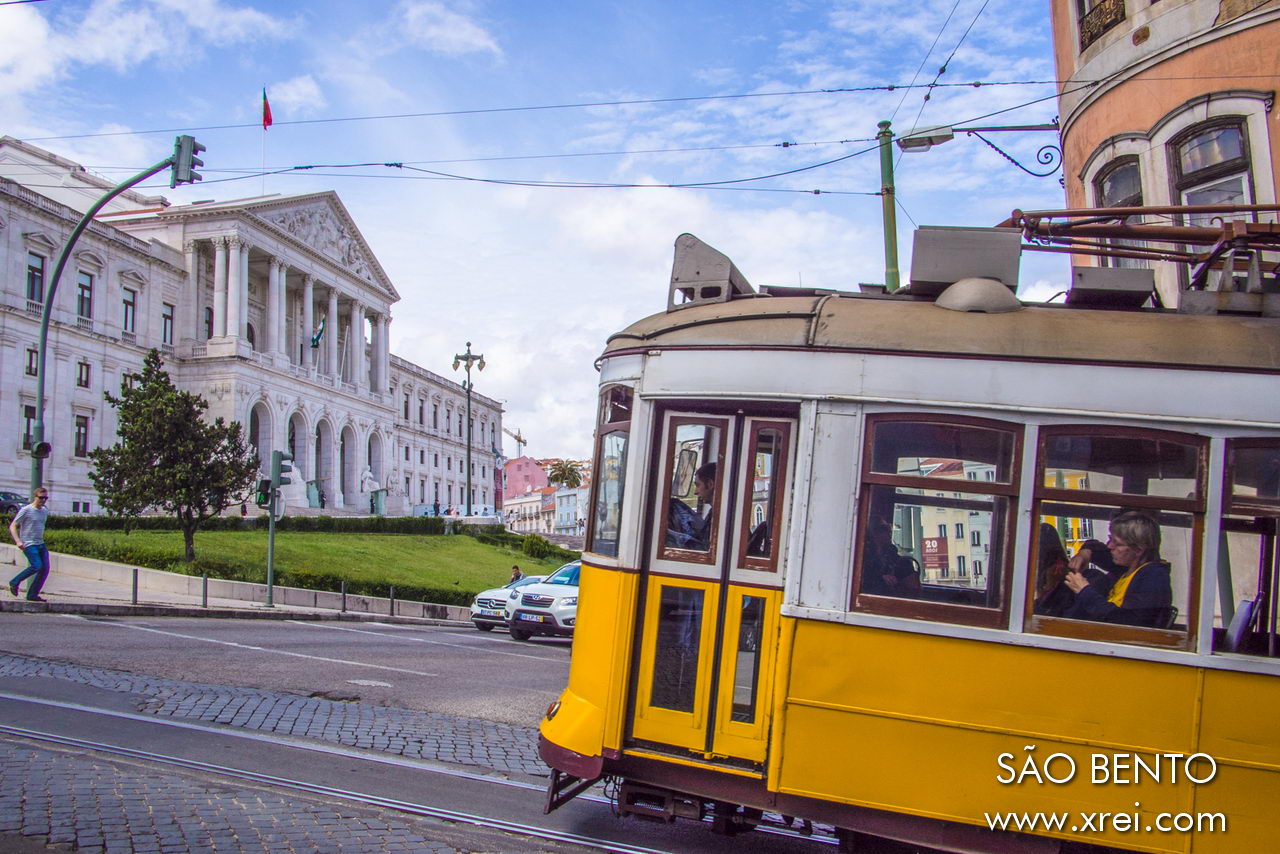
The neighbourhood of São Bento is the political centre of Portugal, home to the Assembleia da República Portuguesa in the building of the former Mosteiro de São Bento da Saúde. The main streets of São Bento are Rua de São Bento and Rua do Poço dos Negros. São Bento is a neighbourhood of narrow, winding and labyrinthine streets — the best way to experience it is on foot. From the Assembleia da República it is possible to walk down Avenida Dom Carlos I and reach the Tagus riverside near Cais do Sodré in ten minutes. São Bento is where the politics of Portugal happen. It borders the neighbourhood of Santos and the neighbourhood of Estrela, and is close to the Bairro Alto and Príncipe Real. The landscape highlights of São Bento are the Convento de São Bento and the Palácio da Flor da Murta. It was in São Bento that the Portuguese writer Alexandre Herculano was born, and where the fadista Amália Rodrigues and the poet Fernando Pessoa lived — two of the great symbols of Portuguese culture. São Bento is a peaceful neighbourhood where it is possible to live in safety and harmony.
The neighbourhood of São Bento falls within the Freguesia da Estrela, which encompasses Bairro da Estrela | Bairro da Lapa | Bairro de Santos-O-Velho | Bairro da Madragoa | Bairro de São Bento.
Top 10 Attractions in Bairro de São Bento
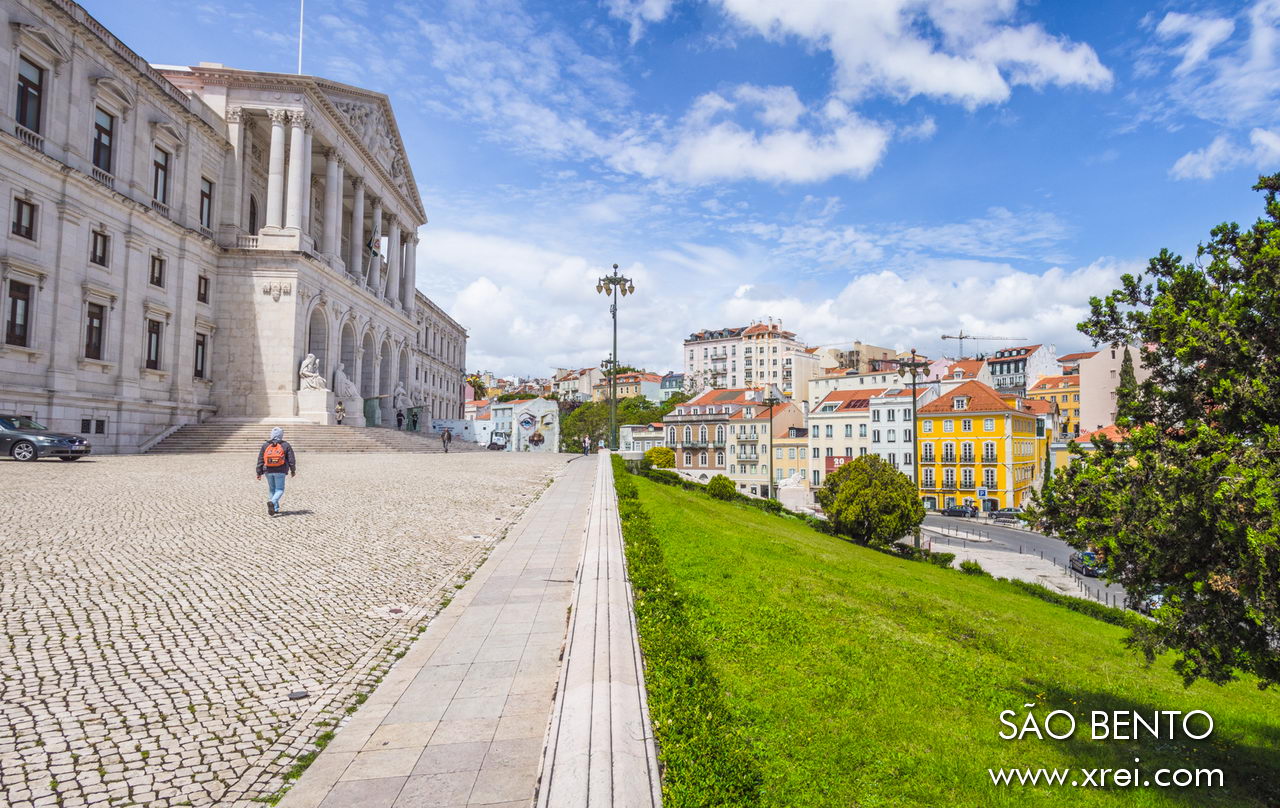
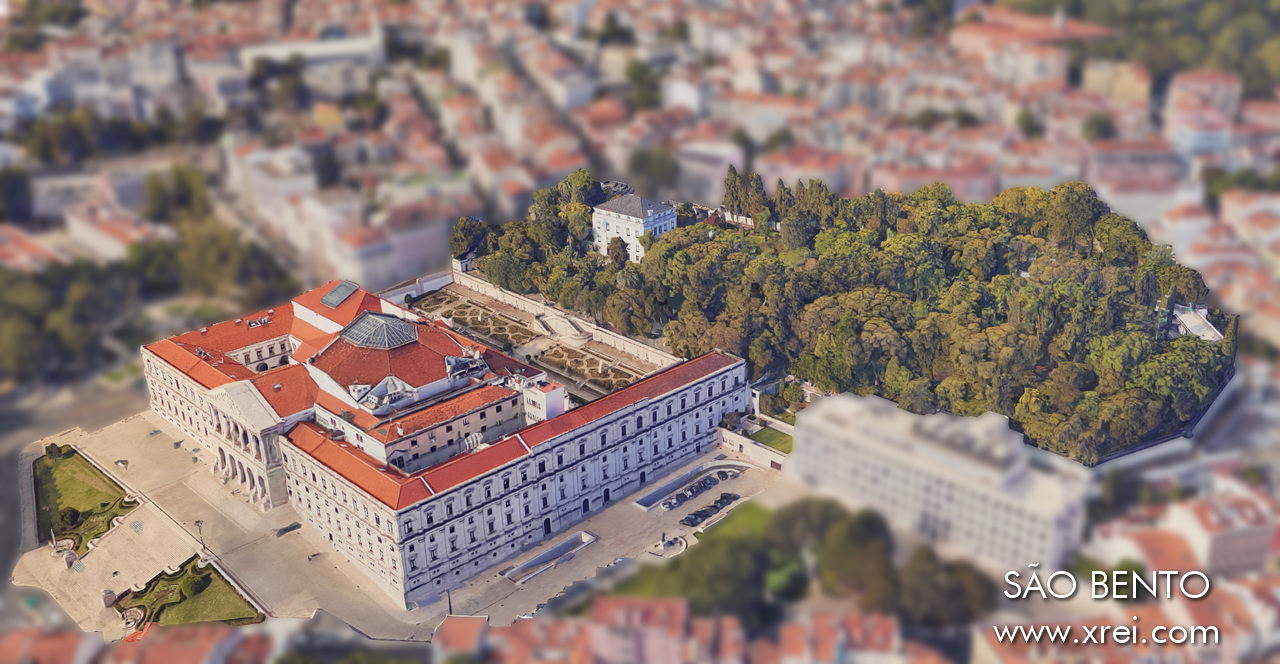
1. The Palácio de São Bento (Mosteiro de São Bento da Saúde) is a Neoclassical palace housing the seat of the Parliament of the Assembleia da República since 1834 — the legislative body of the Portuguese State. Construction began in 1598 on the Quinta da Saúde, in a former monastery officially designated the Mosteiro de São Bento da Saúde and also known as the Mosteiro dos Negros, having belonged to the Black Friars of Tibães. The monastery was begun by Baltazar Álvares (1560–1630) and completed by Frei Pedro Quaresma and Frei João Turriano. The original project comprised four cloisters, a church with side chapels, two towers, a dormitory, a barbershop, a kitchen, a refectory, wine cellars, an olive press, an oven and workshops. The Mosteiro de São Bento da Saúde was handed over to the Cortes on 4 September 1833.
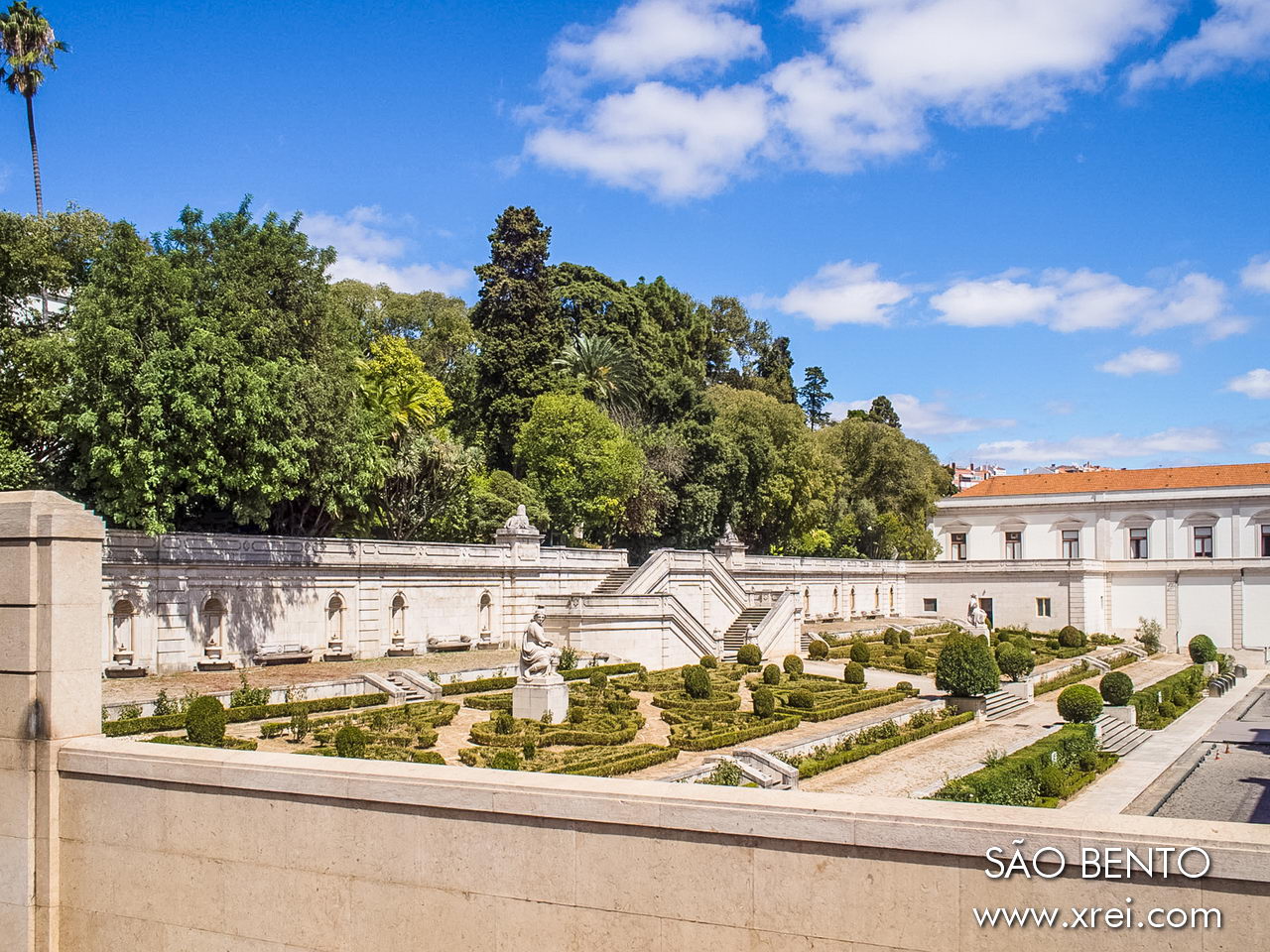
2. Jardim de São Bento: located alongside the Palácio de São Bento, notable for the sculptural group titled A Família by Leopoldo de Almeida (1898–1975).
3. Fundação Mário Soares: a foundation with a mission to promote cultural and political activities and preserve the memory and history of former President of the Republic Mário Soares (1924–2017), located near the Palácio de São Bento. The Fundação Mário Soares was established on 12 September 1991 by Mário Soares himself. The main highlights are:
- Archive and Library: notable for documentation related to Mário Soares, the contemporary history of Portugal, the history of the Republic and material related to the Revolution of 25 April 1974 — also known as the Carnation Revolution — which ended the dictatorial regime that had been in place since 1933.
- Casa-Museu de Mário Soares: The Casa-Museu de Mário Soares and the Centro Cultural João Soares are located outside Lisbon, in the parish of Cortes, municipality of Leiria, and are managed by the Fundação Mário Soares. Highlights include the Library, an azulejo panel by Heim Semke and the garden designed by architect Gonçalo Ribeiro Teles.
4. Mercado de São Bento: located in front of the Palácio de São Bento, it is one of the main attractions of Rua de São Bento for its wide gastronomic variety. The Mercado de São Bento occupies the site of the former kitchen garden of the monks of the Mosteiro de São Bento. It was inaugurated on 1 January 1881 with 29 stalls selling vegetables, fruit, poultry, meat and fish. Today the market has been renovated with new offerings worth highlighting, including Tasquinha Dim Sum, the Austrian sausage shop Wurst and the ice cream parlour Nannarella.
5. Fundação Amália Rodrigues: located at Rua de São Bento, 193, it houses the Casa-Museu de Amália Rodrigues. The museum was inaugurated on 24 July 2001 and remains exactly as it was at the time of Amália Rodrigues's death on 6 October 1999. The Fundação Amália Rodrigues was created in accordance with the fadista's wishes set out in her will. The main points of interest include a display of the decorations and awards Amália Rodrigues received throughout her career, pieces of East India Company porcelain, a portrait of Amália Rodrigues by Luís Pinto Coelho, the dining room and the bedroom.
6. Café São Bento: known for serving the Best Steak in Lisbon according to TimeOut, located at Rua de São Bento, number 212. Café São Bento was inaugurated on 12 July 1982 with the aim of reviving the Bife à Marrare — a dish served in Lisbon's cafés and restaurants in the 18th and 19th centuries. António Marrare, a Neapolitan, came to Lisbon in the late 18th century and opened several cafés and restaurants near the Teatro de São Carlos, at Cais do Sodré, in Chiado and on Rua dos Sapateiros. It was at the Rua dos Sapateiros restaurant, known as the Marrare das Sete Portas, that the Bife à Marrare was first served in 1884. Café São Bento has received several accolades, including recognition as one of the ten best restaurants in Lisbon by the British portal The Culture Trip and by the American magazine Time in an article titled Where Top Chefs Eat.
7. Casa-Museu Mestre João da Silva: located near Rua de São Bento and Largo do Rato, notable for its collection of 5,595 pieces of goldsmithery, sculpture, numismatics, medal-making, ceramics, plasterwork and approximately 300 works of art. This was the home and workshop of João da Silva (1880–1960), sculptor, medallist and engraver. Mestre João da Silva was distinguished by several works, including the First Gold Medal of the Republic in 1916, the First Commemorative Medal for the centenary of Silva Porto in 1950, monuments in honour of those who died in the First World War (1914–1918) in Le Pouliguen, Évora and Valença do Minho, a monument in honour of Júlio Diniz in Porto and one to Sousa Lara in Angola.
8. IADE: Creative University: A design building housing the IADE university, located on Avenida Dom Carlos I, notable for its scale and the architecture of its façade of metal cross patterns. IADE was founded in 1969 as Portugal's first design school. It has been part of Laureate International Universities — the world's largest higher education group — since 2015 and of Universidade Europeia since 2016.
9. Atelier Museu Júlio Pomar: located near Rua de São Bento, dedicated to the promotion and preservation of Júlio Pomar's work across ceramics, painting, drawing and printmaking. Specific works include the painting O Almoço do Trolha (1946–1950), the azulejo panel on Avenida Infante Santo in Lisbon, and the painting Gadanheiro. Júlio Pomar received numerous awards and honours, including the Printmaking Prize in 1957, the Prémio Bissaya Barreto in 2018, the rank of Grand Officer of the Order of Liberty in 2004 and an Honorary Doctorate from the University of Lisbon in 2013. The main points of interest are Júlio Pomar's body of work, conferences and cultural activities, and the publication Cadernos do Atelier.
10. Aqueduto da Rua do Arco a São Mamede: located on Rua de São Mamede, the aqueduct connects Rua de São Bento to Rua da Escola Politécnica. The Aqueduto da Rua do Arco a São Mamede formed part of the 109 arches of the Aqueduto das Águas Livres, built between 1731 and 1748 on the orders of King Dom João V (1689–1750) to supply water to Lisbon. Near the aqueduct arch stands a fountain built by architect Reinaldo Manuel dos Santos (1731–1791), a military engineer and architect who contributed to several works across the country, including the Igreja de Nossa Senhora dos Mártires in Lisbon, the fountain at Largo do Carmo and the Basílica da Estrela.
Further Attractions in Bairro de São Bento
- Alma Lusa: a shop selling collectible items with typically Portuguese themes, located near Largo do Rato and Rua de São Bento.
- Casa de Chá Santa Isabel: located on Rua de São Bento, the Casa de Chá Santa Isabel recreates the tea recipes of the Vicentinas group of the Obra de Nossa Senhora do Amparo. In the 1950s, the Vicentinas held fashion shows serving tea and scones to spectators — an event that became known as The Best Afternoon Tea in Lisbon. The proceeds of the Casa de Chá Santa Isabel are donated to the social works of the Paróquia de Santa Isabel.
- Denegro: the first artisanal chocolate workshop dedicated to making handcrafted chocolates and bonbons — a chocolate restaurant on Rua de São Bento. Denegro is notable for hosting workshops, offering personalised bonbons for private clients and businesses and organising cultural gatherings. Denegro was founded in 2008.
- Loja Apaixonarte: located on Rua Poiais de São Bento, a shop dedicated to Portuguese art. Apaixonarte promotes local artists every month. It was founded by Cláudia Cordeiro with the aim of making art accessible to everyone in 2012. Artists who have exhibited here include Tamara Alves, Margarida Girão, Pedro Zamith, Rita Cascais and Sara Feio.
- Wurst: a kiosk serving Austrian sausages where typical German and Austrian food can be tasted, located on Rua Nova da Piedade within the Mercado de São Bento.
- Galerias de São Bento: located on Rua de São Bento, notable for spaces dedicated to co-working and the launch of innovative projects in the arts and culture. The Galerias de São Bento include spaces such as the Restaurante Boca Café and a concept store.
- Casa de Chá de Santa Isabel;
- Chafariz da Esperança;
- Escadinhas da Travessa de Arrochela.
Distinguished Figures of Bairro de São Bento
- Alexandre Herculano (1810–1877) was born in Lisbon, in the former Pátio do Gil in São Bento, and died at the Quinta de Vale de Lobos in Santarém. Alexandre Herculano is regarded as the father of Portuguese historiography and was, together with Almeida Garrett (1799–1854), one of the principal figures responsible for introducing the Romantic movement — political, artistic and philosophical — to Portugal. Alexandre Herculano had a difficult childhood owing to his family's poverty. He joined the liberal uprising and in 1831 sought asylum aboard a French frigate anchored in Lisbon. From that year he travelled through France, England, the Azores and Porto, where he was appointed Second Librarian of the Public Library. In 1839 Alexandre Herculano was appointed director of the Royal Libraries. Alexandre Herculano rose to fame in Portugal with the publication of "A Voz do Profeta". His works include "Cartas sobre a História de Portugal" (1842), "O Bobo" (1843), "Eurico, o Presbítero" (1844), "História de Portugal" (1846) and "Os Opúsculos" (1836–1857).
- Amália Rodrigues (1920–1999): the most celebrated fadista in Portugal, born in the parish of Pena and died in São Bento in Lisbon. Amália Rodrigues was Portugal's greatest fadista and the first artist to take fado to an international audience. Amália Rodrigues began her professional career in 1939 at the "Retiro da Severa", the most prestigious fado house in Lisbon. At the age of twenty-three she launched her international career in Madrid, and went on to perform in Japan, the Soviet Union, France, Brazil, the United States and numerous European countries, appeared in several films and received countless awards. Her final performance took place in Lisbon at the age of 74. Amália Rodrigues released more than 150 albums, including "Ai Mouraria", "Barco Negro", "Cantigas numa Língua Antiga", "Amália na Broadway" and "O Melhor de Amália: Estranha forma de vida".
- Fernando Pessoa: one of the most important poets and writers in Portugal, full name Fernando António Nogueira Pessoa (1888–1935), born in front of the Teatro Nacional São Carlos and died in Lisbon. Throughout his life he created multiple literary personalities, his first heteronym having been conceived when he was six years old. His father died when Pessoa was five, after which he and his mother and grandmother — who suffered from mental illness — moved to a smaller home. Fernando Pessoa moved to Durban, South Africa in 1896 with his mother, where he studied English Literature and created his first heteronyms. He was awarded the Queen Victoria Memorial Prize for the category of Best Essay in the English Language in 1903, by the University of the Cape of Good Hope. Pessoa returned to Lisbon in 1905, where he studied Greek philosophers, German thinkers, theology, history and French literature, and made several unsuccessful attempts to establish his own business ventures. Fernando Pessoa held more than thirty jobs with the aim of not working all day so that he could write. He lived in more than twenty houses, including on Calçada da Estrela, Rua de São Bento, Largo do Carmo and Rua da Bela Vista à Lapa. He met regularly with friends António Ferro, Mário de Sá-Carneiro and Almada Negreiros at cafés throughout Lisbon, notably at the Café Brasileira in Chiado and at Café Martinho da Arcada at Terreiro do Paço — where Portuguese Modernism was born with the creation of the magazine Orpheu. His works include "A Mensagem", "O Guardador de Rebanhos" (1914), "O Livro do Desassossego" (1914) and "A Mensagem" (1934).
- Marechal Duque de Saldanha: full name João Carlos Gregório Vicente Francisco de Saldanha Oliveira e Daun, born in Aregos, Resende in 1790 and died in London in 1876. The Duke of Saldanha (1790–1876) played important roles in the Napoleonic Invasions of Portugal, the Liberal Wars and the Revolt of the Marshals. He held numerous political offices including Minister of War, Minister of Ecclesiastical Affairs and Justice, of the Treasury and of Overseas Affairs, Minister of Foreign Affairs and of Public Works, Commerce and Industry, Minister of the Kingdom, and President of the Council in Constitutional Governments. The Duke of Saldanha also served as Grand Master of Southern Freemasonry and Chief of the General Staff.
- Hintze Ribeiro, Ernesto Rodolfo Hintze Ribeiro (1849–1907), born in Ponta Delgada on the island of São Miguel in the Azores and died in Lisbon in 1907. Hintze Ribeiro distinguished himself as Minister of Foreign Affairs and Public Works, Commerce and Industry, and as leader of the Partido Regenerador in 1900. He was appointed Peer of the Realm on 1 January 1886.
- Laura Alves Magno, born in 1921 and died in Lisbon in 1986. Laura Alves gave more than 400 theatre performances throughout her career and was regarded as the Queen of the Stage. She began her career at the Teatro Politeama at the age of thirteen. Most of her theatre work was performed at the former Teatro Monumental. Her career highlights include "As Duas Garotas de Paris" (1935), "O Pai Tirano" (1941), "O Pátio das Cantigas" (1941) and "O Leão da Estrela" (1947).
Curiosities about Bairro de São Bento
- São Bento was the location of the first enslaved community in Lisbon;
- Rua de São Bento is administered by four civil parishes: Estrela, Misericórdia, Santo António and Campo de Ourique;
- The Convento de São Bento was known as the Convento da Saúde;
- The upper section of Rua de São Bento may once have been known as Rua de São Bento às Trinas, owing to the Trinas convent at Largo do Rato;
- Rua de São Bento was home to a film studio — Portugália Filmes — where many Portuguese artists performed;
- The historian and writer Alexandre Herculano was born at Pátio do Gil, number 458;
- The politician Hintze Ribeiro lived on Rua de São Bento;
- The fadista Amália Rodrigues lived on Rua de São Bento.
Educational Establishments
- Colégio Luso-Suíço
Shopping
- Denegro
- Retrostore
Fairs, Festivals and Events
- Noites de São Bento: held annually in September. The antique dealers of the Bairro de São Bento remain open until midnight.
Tourist Accommodation
- Lisbon São Bento Hotel
Location of the Campo de Ourique Parish (São Bento) on the Lisbon Map
