
Belém, Lisbona delle Scoperte
Belém è un quartiere rivierasco di Lisbona noto per il suo legame con la storia portoghese e l'Era delle Scoperte, con generosi giardini, aree pedonali lungofiume, porti turistici e ristoranti sul fiume. Il quartiere di Belém si trova nella parte occidentale della città, confinante a est con Alcântara, a nord con il quartiere Ajuda e a ovest con Algés — nel comune limitrofo di Oeiras. Belém è vicina a Restelo, un quartiere noto per il suo distinto carattere residenziale e la presenza di ambasciate di numerosi paesi.
Belém fu il punto di partenza delle caravelle portoghesi nel XV secolo, durante l'Era delle Scoperte. È a Belém che si trovano i Pastéis de Belém, il Mosteiro dos Jerónimos, la Torre de Belém, il Padrão dos Descobrimentos e il Centro Cultural de Belém. Belém è un quartiere pieno di vita, storia, cultura e arte. I visitatori possono passeggiare lungo i famosi marciapiedi in ciottoli portoghesi, ammirare statue, assaporare l'atmosfera creata dai turisti rapiti dalla bellezza del fiume Tago e dei monumenti, gustare un caffè su una terrazza sul fiume o praticare sport. La domenica mattina Belém attira un gran numero di residenti di Lisbona; in estate, si possono vedere gruppi praticare l'antica arte cinese del tai-chi, correre o andare in bicicletta. Belém è un quartiere unico che non lascia indifferenti.
I quartieri di Belém e Restelo appartengono alla Junta de Freguesia de Belém.
Top 10 Attrazioni a Belém

1. Mosteiro dos Jerónimos: uno dei monumenti più importanti che simboleggiano Lisbona e l'Era delle Scoperte portoghesi, situato in Praça do Império. La costruzione del Mosteiro dos Jerónimos iniziò nel 1501, finanziata dalle tasse riscosse sulle spezie provenienti dall'Impero — in particolare la Vintena da Pimenta, che rappresentava il 5% dei profitti del commercio con l'Africa e l'Asia. Gli architetti responsabili del progetto furono Diogo de Boitaca (c.1460–1528), João de Castilho (c.1470–c.1552), Diogo de Torralva (1500–1566) e Jerónimo de Ruão (1530–1601). Dom Manuel I (1469–1521) donò il monastero all'Ordine di San Girolamo con l'obiettivo di offrire preghiere per le anime dei pescatori, marinai e navigatori che partivano dalla spiaggia di Restelo. I principali punti di interesse del Mosteiro dos Jerónimos sono:
- Portale Sud del Mosteiro dos Jerónimos: costruito tra il 1516 e il 1518 da João de Castilho, con la figura della Madonna di Belém con il Bambino Gesù come elemento centrale. Attorno alla Madonna si trovano statue che rappresentano i Profeti, gli Apostoli, i Dottori della Chiesa e sante. Il Portale Sud presenta due bassorilievi che raffigurano episodi della vita di San Girolamo e una statua dell'Infante Dom Henrique.
- Portale Principale del Mosteiro dos Jerónimos: costruito da Nicolau Chanterenne nel 1517, degno di nota per le statue dell'Annunciazione, della Natività, dell'Adorazione dei Magi, di Dom Manuel, Dona Maria, San Girolamo e San Giovanni Battista.
- Igreja de Santa Maria de Belém: ospita le tombe del Re Dom Sebastião, Vasco da Gama e Luís Vaz de Camões, i resti del Cardinale-Re Dom Henrique e dei figli di Dom Manuel I e Dom João III. Le confessioni e le vetrate sono di Abel Manta.
- Cappella Maggiore del Mosteiro dos Jerónimos: costruita nel 1571 da Jerónimo de Ruão. I punti salienti della Cappella Maggiore sono gli elefanti di marmo; le tombe di Dom Manuel I, Dona Maria, Dom João III e Dona Catarina; l'altare con dipinti raffiguranti la Passione di Cristo e l'Adorazione dei Magi di Lourenço de Salzedo; e il Tabernacolo d'Argento di João de Sousa.
- Chiostro del Mosteiro dos Jerónimos: costruito tra il 1517 e il 1541 da Diogo de Boitaca, João de Castilho e Diogo de Torralva. È un esempio unico dello stile manuelino in Portogallo. Nel chiostro inferiore si trova la tomba di Fernando Pessoa (1888–1935) di Lagoa Henriques.
- Refettorio del Mosteiro dos Jerónimos: costruito tra il 1517 e il 1518 da Leonardo Vaz, degno di nota per i pannelli di azulejos raffiguranti il Miracolo dei Pani e dei Pesci dal Nuovo Testamento e la Vita di Giuseppe d'Egitto dall'Antico Testamento, prodotti tra il 1780 e il 1785; un dipinto del XVII secolo di San Girolamo di Avelar Rebelo; il camino; e un dipinto a olio raffigurante l'Adorazione dei Pastori di António Campelo.
- Sala Capitolare del Mosteiro dos Jerónimos: costruita tra il 1517 e il 1518 da Rodrigo de Pontezilha per servire da sala riunioni per i monaci. I principali punti di interesse sono il portale con due immagini di San Bernardo e San Girolamo, e la tomba di Alexandre Herculano di Eduardo Augusto da Silva.
- Sacrestia del Mosteiro dos Jerónimos: costruita tra il 1517 e il 1520 da João de Castilho, degna di nota per quattordici dipinti a olio raffiguranti la vita di San Girolamo di Simão Rodrigues, sei tele della Passione di Cristo di António Carneiro e una figura di Nossa Senhora da Nazaré di Josefa de Óbidos.
- Confessionali del Mosteiro dos Jerónimos: ci sono dodici confessionali, due dei quali coperti dalla Capela do Senhor dos Passos.
- Coro del Mosteiro dos Jerónimos: costruito da Diogo de Çarça tra il 1548 e il 1550. I punti salienti sono una scultura di Cristo Crocifisso di Philippe de Vries, dieci dipinti raffiguranti dieci Apostoli (due sono andati perduti nel terremoto del 1 novembre 1755), San Girolamo e Sant'Agostino.
- Biblioteca del Mosteiro dos Jerónimos: costruita nel 1640 dal Priore Frei Bento de Siqueira per ospitare i libri donati al monastero dall'Infante Dom Luís (figlio di Dom Manuel I). Al momento della chiusura dell'Ordine di San Girolamo nel XIX secolo, c'erano circa ottomila volumi, ora distribuiti tra la Torre do Tombo, la Biblioteca Nacional e la Casa Pia de Lisboa. Il principale punto di interesse della Biblioteca del Mosteiro dos Jerónimos è la mostra permanente "Um Lugar no Tempo", che racconta la storia dei Geronimiti, della Torre de Belém, del Portogallo e del mondo.

2. Torre de Belém (Torre de São Vicente): un monumento del patrimonio culturale portoghese situato sull'ex spiaggia di Belém, classificato dal 1983 come Patrimonio dell'Umanità dall'UNESCO e attualmente uno dei monumenti più visitati di Lisbona. La Torre de Belém fu costruita tra il 1514 e il 1516 da Francisco de Arruda ed è stata eletta il 7 luglio 2007 una delle Sette Meraviglie del Portogallo. Il monumento ha svolto varie funzioni nel corso dei secoli, in particolare come fortezza e prigione. I principali punti di interesse oggi sono:
- Esterno della Torre de Belém: presenta immagini di San Michele e San Vincenzo — santo patrono di Lisbona e della Torre de Belém — e una figura che rappresenta il rinoceronte che Re Dom Manuel I inviò come dono diplomatico al Papa nel 1515.
- Bastione della Torre de Belém: il bastione un tempo ospitava 17 cannoni per la difesa di Lisbona. Il punto di interesse è il piccolo chiostro, costruito per consentire lo scarico del fumo dei cannoni.
- Facciata Sud della Torre de Belém: la facciata principale, recante la rappresentazione dello stemma reale di Dom Manuel I circondato da sfere armillari e croci dell'Ordine di Cristo.
- Sala del Governatore della Torre de Belém: presenta una cisterna che raccoglieva acqua piovana e una scala a chiocciola che conduce alla terrazza.
- Sala dei Re della Torre de Belém: con otto aperture circolari che offrono viste sul fiume Tago e sulla Rive Gauche, e un grande camino.
- Sala delle Udienze della Torre de Belém: con due finestre ad arco semicircolare, due sfere armillari e una grande pietra con lo stemma reale.
- Cappella della Torre de Belém: presenta la sfera armillare, la Croce di Cristo e lo stemma reale.
- Terrazza della Torre de Belém: da qui si può osservare la Capela de São Jerónimo, il quartiere di Belém, il Mosteiro dos Jerónimos, la Rive Gauche del Tago, il faro di Bugio — che simboleggia la fine del fiume Tago e l'inizio dell'Oceano Atlantico.


3. Padrão dos Descobrimentos: costruito inizialmente per l'Exposição do Mundo Português nel 1940 da Cottinelli Telmo (1897–1948) e Leopoldo de Almeida (1898–1975). Fu ricostruito permanentemente nel 1960 in onore dell'Infante Dom Henrique. Nel 1985 fu ampliato dall'architetto Fernando Ramalho con l'aggiunta di un punto panoramico, un auditorium e sale espositive. I principali punti di interesse del Padrão dos Descobrimentos sono:
-
-
- Gruppo Scultoreo — Lato Est del Padrão dos Descobrimentos: presenta 16 statue di figure importanti delle Scoperte portoghesi, tra cui Bartolomeu Dias, Afonso Gonçalves Baldaia, Diogo Cão, Francisco Xavier, Martim Afonso de Sousa, Vasco da Gama, Cristóvão da Gama, António de Abreu, Estêvão da Gama, Gaspar Corte-Real, Nicolau Coelho, Afonso de Albuquerque, Dom Afonso V, Fernão de Magalhães, João de Barros e Pedro Álvares Cabral.
- Gruppo Scultoreo — Lato Ovest del Padrão dos Descobrimentos: presenta 16 statue di figure importanti delle Scoperte portoghesi, tra cui Infante Dom Henrique, Frei Gonçalo de Carvalho, Gomes Eanes de Zurara, Jácome de Maiorca, Nuno Gonçalves, Pêro de Alenquer, Dona Filipa de Lencastre, Frei Henrique de Coimbra, João Gonçalves Zarco, Pedro Nunes, Pêro de Escobar, Fernão Mendes Pinto, Gil Eanes, Infante Dom Pedro, Luís Vaz de Camões e Pêro da Covilhã.
- Rosa dei Venti del Padrão dos Descobrimentos: situata nel piazzale di accesso al monumento, è stata donata dal Sudafrica nel 1960 e restaurata nel 1994 durante le celebrazioni di Lisbona Capitale Europea della Cultura. La Rosa dei Venti del Padrão dos Descobrimentos raffigura le date e le rotte principali delle Scoperte portoghesi.
-

4. Museu Nacional dos Coches: situato tra la stazione ferroviaria di Belém e il Palácio de Belém, il museo è stato inaugurato il 23 maggio 1905 dalla Regina Dona Amélia, moglie del Re Dom Carlos I. Le carrozze reali furono inizialmente installate nell'ex edificio della Scuola di Equitazione Reale, progettato da Giacomo Azzolini nel 1726. Il 23 maggio 2015, la collezione è stata trasferita nell'attuale edificio espositivo. La collezione del Museu Nacional dos Coches è considerata la più grande collezione di carrozze reali al mondo. Le carrozze principali sono la Carrozza di Filippo II, la Carrozza di Dom João V, la Carrozza di Papa Clemente XI, la Carrozza degli Oceani e la Carrozza di Dona Maria Francisca di Savoia.
5. Pastéis de Belém (Antiga Confeitaria de Belém): la pasticceria più celebre di Lisbona, famosa per il tradizionale pastel de Belém — conosciuto in tutto il Portogallo come pastel de nata. La pasticceria e fabbrica Pastéis de Belém si trova vicino al Mosteiro dos Jerónimos in Rua de Belém, negli stessi locali che operano dal 1837. I pastéis de Belém furono creati da un monaco del Mosteiro dos Jerónimos in un periodo in cui tutti i monasteri e conventi del Portogallo venivano chiusi, costringendo i monaci a trovare i propri mezzi di sussistenza. La ricetta fu un successo immediato e fu tramandata agli attuali proprietari dell'esercizio — iniziando così la Fábrica dos Pastéis de Belém e uno dei marchi di pasticceria più celebri del Portogallo. È comune che le code di clienti in attesa di entrare nella pasticceria si estendano per tutto l'isolato.

6. Centro Cultural de Belém — CCB: una fondazione dedicata alla cultura e alle arti, con spazi per conferenze, mostre e spettacoli artistici, oltre a negozi e caffè. È stato inaugurato il 7 aprile 1992 per ospitare la presidenza portoghese dell'Unione Europea. Il Centro Cultural de Belém, situato di fronte al Mosteiro dos Jerónimos, è stato progettato da Manuel Salgado e Vittorio Gregotti ed è organizzato in tre strutture principali:
- Centro Congressi;
- Centro Spettacoli: con tre sale, il cui punto di forza è il Grande Auditório con una capacità di 1.429 posti;
- Centro Espositivo: con quattro gallerie per mostre di arti visive, architettura, design e fotografia, negozi, una caffetteria e la Fundação de Arte Moderna e Contemporânea — Museu Coleção Berardo, presente da giugno 2007.
7. Praça Afonso de Albuquerque: una piazza inaugurata nel 1902 in onore di Dom Afonso de Albuquerque, situata di fronte al Palácio de Belém, tra il Museu dos Coches e il Jardim Vasco da Gama, dove si trovano i ristoranti con terrazza. I principali punti di interesse di Praça Afonso de Albuquerque sono il Monumento a Dom Afonso de Albuquerque — degno di nota per quattro bassorilievi che raffigurano episodi della sua vita e una statua in bronzo che rappresenta il Viceré dell'India, costruita al centro della piazza da Costa Mota e Silva Pinto — e le panchine in pietra di fronte al monumento, sul sito dove fu fondato il club di calcio "Os Belenenses" il 23 settembre 1919.
8. Praça do Império: una piazza composta da un giardino rettangolare con una fontana centrale, progettata dall'architetto Vasco Lacerda Marques con paesaggistica di Gomes Amorim, e disegnata dall'architetto Cottinelli Telmo (1897–1948) per l'Exposição do Mundo Português del 1940. Situata di fronte al Mosteiro dos Jerónimos, i punti salienti di Praça do Império sono:
- Giardino di Praça do Império: presenta trenta stemmi che rappresentano i capoluoghi di distretto del Portogallo e le ex Province d'Oltremare; uno scudo dell'Ordine di Aviz, uno scudo dell'Ordine di Cristo e una meridiana. Il giardino è stato piantumato con 300 alberi e arbusti, 75.000 gerani, 800.000 metri quadrati di prato, 50.000 piante stagionali e 44 cipressi.
- Fontana Monumentale di Praça do Império: recante rappresentazioni degli stemmi delle colonie portoghesi e un sistema idraulico in grado di produrre 63 diverse composizioni e spettacoli di acqua, luce e colore della durata di 45 minuti.
- Laghi di Praça do Império: quattro laghi con motivi scultorei di animali marini di António Duarte.
9. Planetário Calouste Gulbenkian: un Centro di Scienza Viva dedicato a una serie di attività dinamiche e interattive legate all'astronomia e al pianeta Terra, con spettacoli per visitatori dai 3 anni in su. Situato accanto al Mosteiro dos Jerónimos, il Planetário Calouste Gulbenkian è stato progettato dall'architetto Frederico George e inaugurato il 20 luglio 1965. Il 19 luglio 2005 è stato installato un nuovo proiettore, in grado di rappresentare più di novemila stelle, la Via Lattea e figure di costellazioni. La sala di proiezione ha una superficie circolare di 23 metri di diametro. I principali punti di interesse sono la Galleria, l'Osservatorio e la Biblioteca.
10. MAAT — Museu de Arte, Arquitetura e Tecnologia: uno spazio di architettura contemporanea sviluppato a Belém sul lungofiume del Tago, dedicato alla presentazione di mostre nazionali e internazionali con contributi di artisti, architetti e pensatori contemporanei. Il museo è stato inaugurato il 5 ottobre 2016. Il MAAT è collegato alla Central-Tejo (Museu da Eletricidade) da un ponte pedonale che funge anche da punto panoramico. Progettato da Amanda Levete, il MAAT si trova in Avenida Brasília a Belém e ospita la Collezione d'Arte della Fondazione EDP, che include opere di oltre 250 artisti.
Ulteriori Attrazioni a Belém
- Palácio e Museu da Presidência
- Café Vela Latina
- Café In
- Cervejaria Portugália Espelho d'Água
- Clube Naval
- Estação Fluvial de Belém
- Stadio e Complesso Sportivo del Football Club "Os Belenenses"
- Fundação Champalimaud
- Gare Marítima da Rocha de Conde de Óbidos
- Jardim Afonso de Albuquerque
- Jardim das Oliveiras
- Jardim Ducla Soares
- Jardim Vasco da Gama
- Area Giardini sul Fiume
- Jardins Torre de Belém
- Jardim Tropical
- Monumento ai Combattenti d'Oltremare
- Museu Coleção Berardo
- Museu Nacional de Arqueologia
- Museu de Arte Popular
- Museu Nacional de Etnologia
- Palácio dos Condes da Calheta
- Skate Park a Largo Luís Alves Miguel
- Picadeiro Real
Monumenti di Belém
Forte do Bom Sucesso (Bateria do Bom Sucesso): situato in Praça do Império, costruito nel 1780 e progettato dal Generale Vallerée. Il Forte do Bom Sucesso fu restaurato nel 1876 dal capitano ingegnere Domingos Pinheiro Borges e dal brigadiere Filipe Folque.
Ermida de São Jerónimo (Ermida do Restelo): situata a Restelo, costruita nel 1514 da Diogo de Boitaca. I principali punti di interesse dell'Ermida de São Jerónimo sono: il portale in stile manuelino; tre altari con piastrelle di azulejos sivigliani; l'altare maggiore; e la Tomba di Pina Manique, fondatore della Casa Pia de Lisboa.
Cordoaria Nacional: La Real Fábrica da Cordoaria fu creata per produrre cavi nautici, corde di canapa, vele e bandiere per le navi. Ora trasformata in un centro espositivo situato vicino alla stazione ferroviaria di Belém, la Cordoaria Nacional ospita diverse mostre durante l'anno, tra cui la Fiera Biennale di Antichità e la Mostra Dinosaurs Alive. L'edificio fu costruito nel 1771 per ordine del Marchese di Pombal, su progetto dell'architetto Reinaldo Manuel dos Santos. I punti di interesse sono i portali centrali delle facciate nord e sud e la Galleria della Torre Est.
Museu Nacional de Arqueologia: situato accanto al Mosteiro dos Jerónimos, è il principale museo archeologico del Portogallo. Il Museu Nacional de Arqueologia fu inaugurato nel 1893 da José Leite de Vasconcelos (1858–1941). I principali punti salienti sono:
- Mostra Loulé, Territórios, Memórias e Identidades: un'importante mostra grazie agli Actas da Vereação de Loulé del 1384, i più antichi registri comunali del Portogallo.
- Collezione Etnografica del Museu Nacional de Arqueologia: degna di nota per ceramiche, artigianato e abiti di uso quotidiano indossati dai portoghesi del XIX secolo.
- Sala del Tesoro: con un'enfasi sulle collezioni di oreficeria arcaica.
- Sezione di Epigrafia Latina: il Santuario di Santo Miguel da Mota è il principale punto di riferimento di questa sezione.
- Collezione di Manufatti Metallici: ospita la più grande collezione di scultura classica del Portogallo.
- Collezione di Antichità Egizie: presenta oltre 500 pezzi dalla storia dell'Antico Egitto.
Museu de Marinha: situato a un'estremità del Mosteiro dos Jerónimos, questo museo conserva e documenta la storia della Marina Portoghese dall'Era delle Scoperte ai giorni nostri. Il Museu de Marinha fu inaugurato il 22 giugno 1863 per ordine del Re Dom Luís I. Gli aspetti più notevoli del museo sono:
- Ingresso del Museo: presenta statue di alcune delle figure più importanti delle Scoperte, tra cui Infante Dom Henrique, Diogo Cão, João de Santarém, Diogo Gomes, Pedro de Sintra, Gonçalves Zarco, Gil Eanes e Nuno Tristão.
- Mostra Permanente di Vela Ricreativa: documenta la storia del primo servizio di trasporto passeggeri sul fiume Tago nel 1850 e la fondazione del più antico club di vela della penisola iberica nel 1856 con la creazione della Real Associação Naval.
- Mostra Permanente della Marina Mercantile: copre la storia delle prime compagnie di navigazione portoghesi, tra cui l'Empresa Insulana de Navegação e l'Empresa Nacional de Navegação. Il periodo coperto spazia dal XIX secolo, la Prima Guerra Mondiale (1914–1918), la Seconda Guerra Mondiale (1939–1945) e la seconda metà del XX secolo.
- Mostra Permanente della Sala delle Scoperte: espone i vari strumenti di navigazione utilizzati durante le Scoperte portoghesi, oltre a caravelle e altre imbarcazioni.
- Mostra Permanente delle Galee Reali: espone diverse imbarcazioni appartenenti alla Famiglia Reale, tra cui lo yacht Sirius, sei galee del XVIII secolo e il brigantino reale del 1780.
- Idrovolante Santa Cruz: l'idrovolante pilotato da Gago Coutinho e Sacadura Cabral nel 1922 durante la Prima Traversata dell'Atlantico Meridionale, che collegò Lisbona a Rio de Janeiro.
- Mostra Permanente delle Grandi Navi a Vela: la nau Príncipe da Beira, la fregata Ulysses, la fregata Rainha de Portugal e la fregata Dom Fernando II e Glória sono i principali punti salienti di questa mostra.
Monumento aos Combatentes do Ultramar: situato vicino al Forte do Bom Sucesso e alla Torre de Belém, il monumento è un omaggio ai combattenti caduti durante la Guerra d'Oltremare (1961–1974). È stato inaugurato il 15 gennaio 1993 ed è stato progettato dagli architetti Francisco José Ferreira Guedes de Carvalho, Helena Albuquerque e Sidónio Costa Cabral. I punti salienti sono il portico triangolare; i nomi dei combattenti caduti nella Guerra d'Oltremare inscritti sui muri del Forte do Bom Sucesso; e la Fiamma della Patria, che arde permanentemente come simbolo della continuità del Portogallo.
Monumento alla Prima Traversata Aerea: situato vicino alla Torre de Belém, il monumento è una riproduzione dell'idrovolante Santa Cruz della Prima Traversata dell'Atlantico Meridionale. Il Monumento alla Prima Traversata Aerea è stato inaugurato il 17 giugno 1972 da José Joaquim Laranjeira Santos e António Rodrigues Fernandes.
Museu Nacional de Etnologia: uno dei principali centri per lo studio dell'antropologia portoghese e mondiale, con circa 42.000 oggetti provenienti da 380 culture di 80 paesi e tutti e cinque i continenti. Il Museu Nacional de Etnologia fu istituito nel 1965 in locali temporanei prima di trasferirsi nell'edificio attuale vicino a Restelo nel 1975. Dal 1990 è entrato a far parte dell'Instituto Português de Museus e ha adottato ufficialmente il nome Museu Nacional de Etnologia. I principali punti di interesse sono:
- Mostre Permanenti: Teatro Wayang Kulit di Bali; Franklin Vilas Boas attraverso la lente di Ernesto de Sousa; Giocare ed Essere Seri, con bambole dall'Angola sud-occidentale; Musica e Vita Quotidiana, con strumenti popolari portoghesi; Materia di Parola, con coperchi di pentola recanti proverbi; La canna del Rio de Onor; Animali come persone; Maschere e Marionette dal Mali.
- Gallerie sulla Vita Rurale: espongono attrezzi agricoli e strumenti di lavoro legati al passato rurale tradizionale del Portogallo.
- Gallerie Amazzoniche: raffigurano le riserve della foresta pluviale amazzonica.
- Biblioteca / Centro Multimediale: con oltre 20.000 opere nei campi dell'Etnologia, dell'Antropologia e discipline correlate.
- Archivio Sonoro Michel Giacometti: comprende archivi di musica popolare portoghese di ogni regione rurale del Portogallo, incluso il Cante Alentejano.
Museu de Arte Popular: situato vicino al Padrão dos Descobrimentos, il museo è organizzato in cinque sale espositive permanenti, ognuna dedicata a una regione del Portogallo: Entre Douro e Minho, Trás-os-Montes, Algarve, Beiras, Estremadura e Alentejo. Il Museu de Arte Popular fu inaugurato il 15 giugno 1948 e progettato da António Reis Camelo e João Simões. I punti salienti sono la Sala Entre Douro e Minho; la Sala Alentejo; la Sala Algarve; la Sala Estremadura; la Sala Beiras; e la Sala Trás-os-Montes.
Museu da Eletricidade: un museo dedicato al tema dell'elettricità in Portogallo, situato in Avenida Brasília lungo il fiume Tago e integrato nel Museu de Arte, Arquitetura e Tecnologia (MAAT) della Fondazione EDP (Energia de Portugal). Il museo è stato inaugurato nel 2006 nell'ex edificio della Central Tejo, che iniziò a fornire elettricità a Lisbona nel 1909, con l'edificio principale successivamente ampliato in una fase di costruzione importante tra il 1914 e il 1951. I principali riferimenti di questa centrale elettrica sono:
- Sala Principale: con una mostra permanente sulla storia della Central Tejo.
- Fonti Energetiche: uno spazio con mostre temporanee dedicate a varie fonti energetiche, comprese le energie rinnovabili.
- Sezione Sperimentale: dove i visitatori possono esplorare e sperimentare alcuni fenomeni elettrici di Lisbona.
Museu da Vida Subaquática e da História Submersa: un museo inaugurato nel 1953 con l'obiettivo di ricercare tre aree: Biologia Marina, Storia delle Immersioni e Archeologia Subacquea. Oggi conserva e promuove il patrimonio subacqueo e offre vari servizi tra cui immersioni ricreative e tecniche, apnea e ricariche di gas con aria, nitrox, ossigeno e trimix. Situato vicino a Restelo e integrato nel Centro Português de Atividades Subaquáticas, i punti di interesse del museo includono la Sezione Vita Subacquea e la Sezione Storia Sommersa.
Forte do Alto do Duque: costruito tra il 1875 e il 1890 come parte del sistema difensivo di Monsanto, situato tra Restelo e il Parque Florestal de Monsanto, offre una vista panoramica unica sul fiume Tago, Belém e Algés. Fu al Forte do Alto do Duque che venne stabilita la prima connessione telegrafica senza fili (TSF) del Portogallo il 17 aprile 1901, e servì come quartier generale del Comando Operacional do Continente (COpCon) durante la Rivoluzione del 25 aprile 1974.
Spazi Verdi di Belém
Parque Recreativo dos Moinhos de Santana: situato tra il quartiere Ajuda e Restelo, degno di nota per la presenza di due mulini a vento. Il parco è stato inaugurato nel 1997. I principali punti di interesse sono: la vista su Lisbona e sul fiume Tago; i Moinhos de Santana, costruiti nel XVIII secolo per le suore domenicane irlandesi del Convento do Bom Sucesso sulla Serra de Monsanto — i mulini erano responsabili della macinazione della farina che riforniva Lisbona; il Ristorante; l'Area Picnic; il Parco Giochi per Bambini; la Pista di Pattinaggio; la Pista di Skate; il Circuito Fitness; l'Anfiteatro all'Aperto; e la Tribuna.
Jardim Botânico Tropical: situato vicino al Mosteiro dos Jerónimos, copre circa sette ettari. Il Jardim Botânico Tropical è stato inaugurato il 25 gennaio 1906. Il parco e le serre del Jardim Botânico Tropical contengono circa 600 specie provenienti da tutte le regioni del mondo, inclusa la flora tropicale e subtropicale. Il Jardim Botânico Tropical è aperto al pubblico tutti i giorni. I principali punti di interesse sono:
- Casa delle Farfalle: creata per lo studio, l'allevamento e lo sviluppo di specie di farfalle.
- Serra Reale: istituita nel XVIII secolo, comprende uno spazio verde di tre ettari.
- Palácio dos Condes da Calheta: costruito nel XVIII secolo da Dom João Gonçalves da Câmara, 4º Conte di Calheta, e acquistato dal Re Dom João V. Il palazzo ha svolto varie funzioni, tra cui quella di Museo Agricolo Coloniale e la sezione coloniale dell'Exposição do Mundo Português nel 1940. Ora ospita il Centro di Documentazione. I punti salienti del Palácio dos Condes da Calheta sono i vari pannelli di azulejos raffiguranti scene di caccia e le diverse sale del palazzo.
Opzioni di Viaggio dal Centro di Lisbona a Belém
Ci sono molte opzioni facili per viaggiare direttamente a Belém dal centro di Lisbona. Belém dista circa sette chilometri dal centro città. Da Praça do Comércio, il Tram 15E percorre un percorso diretto. I visitatori possono anche viaggiare in autobus (numeri 704 o 728) o in treno da Cais do Sodré. C'è anche l'opzione di percorrere i 7 chilometri lungo la costa a piedi o in bicicletta, utilizzando uno dei diversi servizi di biciclette condivise. Una buona opzione è acquistare la Lisboa Card, un pass per i trasporti che include l'ingresso ai musei, una mappa gratuita e una guida di viaggio. La Lisboa Card può essere acquistata all'aeroporto di Lisbona, al Palácio Foz a Restauradores, alla stazione di Santa Apolónia, in Praça do Comércio, in Rua Augusta e a Belém.
Breve Storia di Belém
Belém è cresciuta dal villaggio di Restelo. Fu da Belém che partirono diverse spedizioni durante l'Era delle Scoperte portoghesi, tra cui la spedizione per la Conquista di Ceuta nel 1415, la spedizione di Vasco da Gama che scoprì la Via Marittima per l'India nel 1498, e la spedizione di Pedro Álvares Cabral che scoprì il Brasile nel 1500. Il quartiere di Belém sopravvisse al terremoto del 1 novembre 1755 e fu di conseguenza scelto come residenza della Famiglia Reale. Nel XIX secolo conobbe una crescita significativa in seguito all'arrivo della ferrovia e fu elevato allo status di comune, con Alexandre Herculano come suo primo presidente. Nel 1940 si tenne a Belém l'Exposição do Mundo Português, dalla quale il quartiere ereditò la Estação Fluvial de Belém, il Museu de Arte Popular, l'Espelho de Água e il Padrão dos Descobrimentos. Nel XX secolo, la Central-Tejo — ora il Museu da Eletricidade — fu aperta per fornire elettricità a Lisbona dal 1909, e la prima traversata aerea dell'Atlantico Meridionale tra Lisbona e Rio de Janeiro fu completata da Gago Coutinho e Sacadura Cabral nel 1922.
Strade Principali di Belém
Le arterie più importanti di Belém sono Rua de Belém, Rua Vieira Portuense, Rua dos Jerónimos, Calçada do Galvão e Avenida do Restelo. Rua de Belém è una strada di commercio locale e cultura dove i visitatori possono trovare la Fábrica dos Pastéis de Belém, il Palácio Nacional de Belém, il Museu da Presidência da República, il Museu Nacional dos Coches e la Praça Afonso de Albuquerque. Rua Vieira Portuense è nota per le sue ex case di pescatori — che fino al XIX secolo erano lambite dalle acque del Tago — ora convertite in ristoranti con terrazza che offrono cucina tradizionale portoghese. Rua dos Jerónimos ospita il Mosteiro dos Jerónimos, la Casa-Pia da Correção da Corte, lo stadio di calcio de Os Belenenses, la Capela de Santo Cristo e l'edificio del Ministero della Difesa. Calçada do Galvão collega Belém ad Ajuda ed è nota per il Jardim-Museu Agrícola Tropical. Avenida do Restelo è conosciuta come una tranquilla zona residenziale di case e ambasciate.
Rua de Belém è una delle strade più trafficate di Belém, che collega Praça do Império a Rua da Junqueira. La Rua de Belém — precedentemente Rua Direita de Belém — è una strada ampia e spaziosa dove ogni giorno si vedono migliaia di visitatori da tutto il mondo, insieme ai tram di Lisbona, ristoranti, caffè, negozi tradizionali e monumenti storici. Le principali attrazioni su Rua de Belém includono:
- Picadeiro Real, ex sede del Museu dos Coches;
- Palácio do Presidente da República;
- Museu da Presidência;
- Jardim Afonso Albuquerque;
- Pastéis de Belém.
Rua da Junqueira è la strada dei palazzi e della nobiltà, che collega Rua de Belém a Rua Primeiro de Maio. La Rua da Junqueira prende il nome dalla presenza di giunchi — una specie vegetale che cresce in terreni allagati e paludosi — a causa del Rio Seco che scorreva qui nel XIII secolo. Rua da Junqueira è una strada signorile e spaziosa di palazzi rosa con giardini e piastrelle di azulejos dai colori vivaci. La strada è trafficata durante il giorno, servita dal Tram 15 che collega Praça do Império a Largo Martim Moniz. I punti di interesse su Rua da Junqueira includono:
- Museu dos Coches;
- Biblioteca de Belém;
- Universidade Lusíada;
- Chafariz da Junqueira;
- Biblioteca Central da Marinha;
- Ambasciata di Malta;
- Hospital Egas Moniz;
- Instituto de Higiene e Medicina Tropical;
- Centro de Congressos de Lisboa;
- Palácio Burnay;
- Palácio dos Condes da Ribeira Grande;
- Centro Científico e Cultural de Macau;
- Biblioteca del Centro Científico e Cultural de Macau.
Avenida Brasília è una strada che corre parallela al fiume Tago e alla linea ferroviaria che parte da Cais do Sodré a Lisbona, collegando la CRIL ad Avenida Infante Santo e proseguendo fino a Cascais. Avenida Brasília prese il nome nel 1960, anno in cui Brasília fu inaugurata come capitale del Brasile. È una strada fiancheggiata da giardini, parchi, ristoranti e monumenti che offrono un percorso continuo per passeggiare, fare esercizio e ammirare il paesaggio. Punti degni di nota lungo Avenida Brasília includono:
- Fundação Champalimaud;
- Jardim Anna Sommer;
- Forte do Bom Sucesso;
- Monumento aos Combatentes do Ultramar;
- Jardim da Torre de Belém;
- Torre de Belém;
- Monumento a Gago Coutinho e Sacadura Cabral;
- Doca do Bom Sucesso;
- Jardim do Japão;
- Museu de Arte Popular;
- Portugália Cervejaria de Belém;
- Padrão dos Descobrimentos;
- Wind Rose;
- Doca de Belém;
- Estação Fluvial de Belém;
- Museu da Eletricidade;
- MAAT — Museu de Arte, Arquitetura e Tecnologia;
- Jardim Docas da Ponte;
- Doca de Santo Amaro;
- Alfândega Marítima de Lisboa;
- Museu do Oriente.
Rua de Pedrouços è una strada interna del quartiere di Belém che collega Rua Damião de Góis a Rua Bartolomeu Dias. Rua de Pedrouços è una strada essenzialmente residenziale — tranquilla, sicura e ben ombreggiata dagli alberi — con punti di interesse tra cui l'Instituto Universitário Militar e il Chafariz da Princesa.
Curiosità su Belém
- Il Tram 15E corre tra Belém e Praça do Comércio circa ogni quindici minuti;
- Belém fu in gran parte risparmiata dal terremoto del 1 novembre 1755, il che portò la Famiglia Reale a trasferirsi in questo quartiere di Lisbona;
- Il comune di Belém fu istituito l'11 settembre 1852;
- Il primo presidente del comune di Belém fu lo storico Alexandre Herculano;
- Belém fu la sede dell'Exposição do Mundo Português;
- I Pastéis de Belém sono considerati una delle Sette Meraviglie della Gastronomia Portoghese.
Fatti Rapidi su Belém
- Belém ha circa 17.000 abitanti;
- Il settore economico primario è il turismo;
- È un'area molto ambita dalle giovani famiglie;
- Offre un eccellente equilibrio tra tranquillità, sicurezza e qualità della vita.


Istituti di Istruzione
- Centro Helen Keller
- Colégio As Descobertas
- Colégio Bola de Neve
- Colégio do Bom Sucesso
- Colégio Jacob Rodrigues Pereira
- Colégio Mira Rio
- Externato de São Francisco Xavier
- Externato de São José
- Park International School
- Universidade Lusíada
Istituzioni Sanitarie
- Hospital São Francisco Xavier
- USF Descobertas
Strutture Turistiche
- Altis de Belém Hotel & Spa
- Palácio do Governador
- Hotel Jerónimos8
Trasporti e Accessi
- Stazione Ferroviaria di Belém
- Tram di Lisbona:
Numero 15E e Numero 18
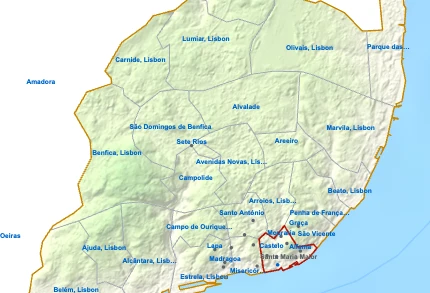
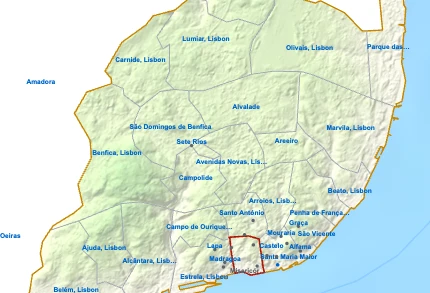
Posizione della Freguesia di Belém sulla Mappa di Lisbona