Mouraria
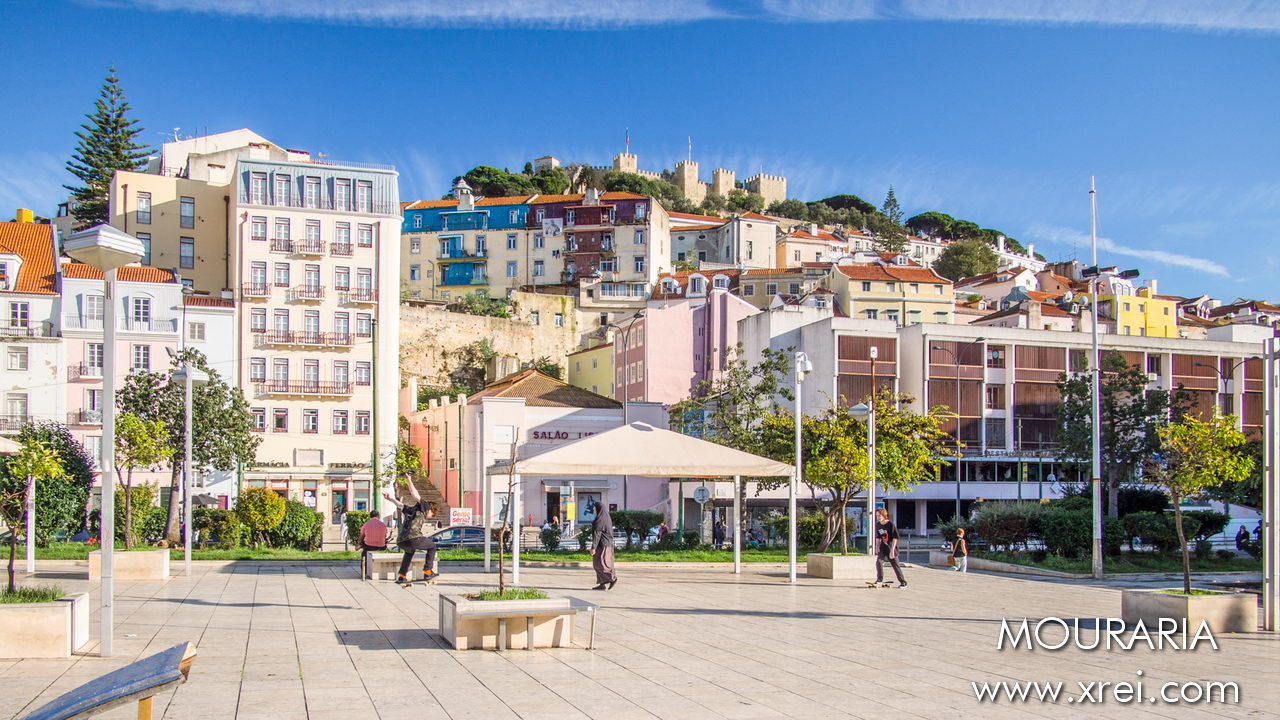
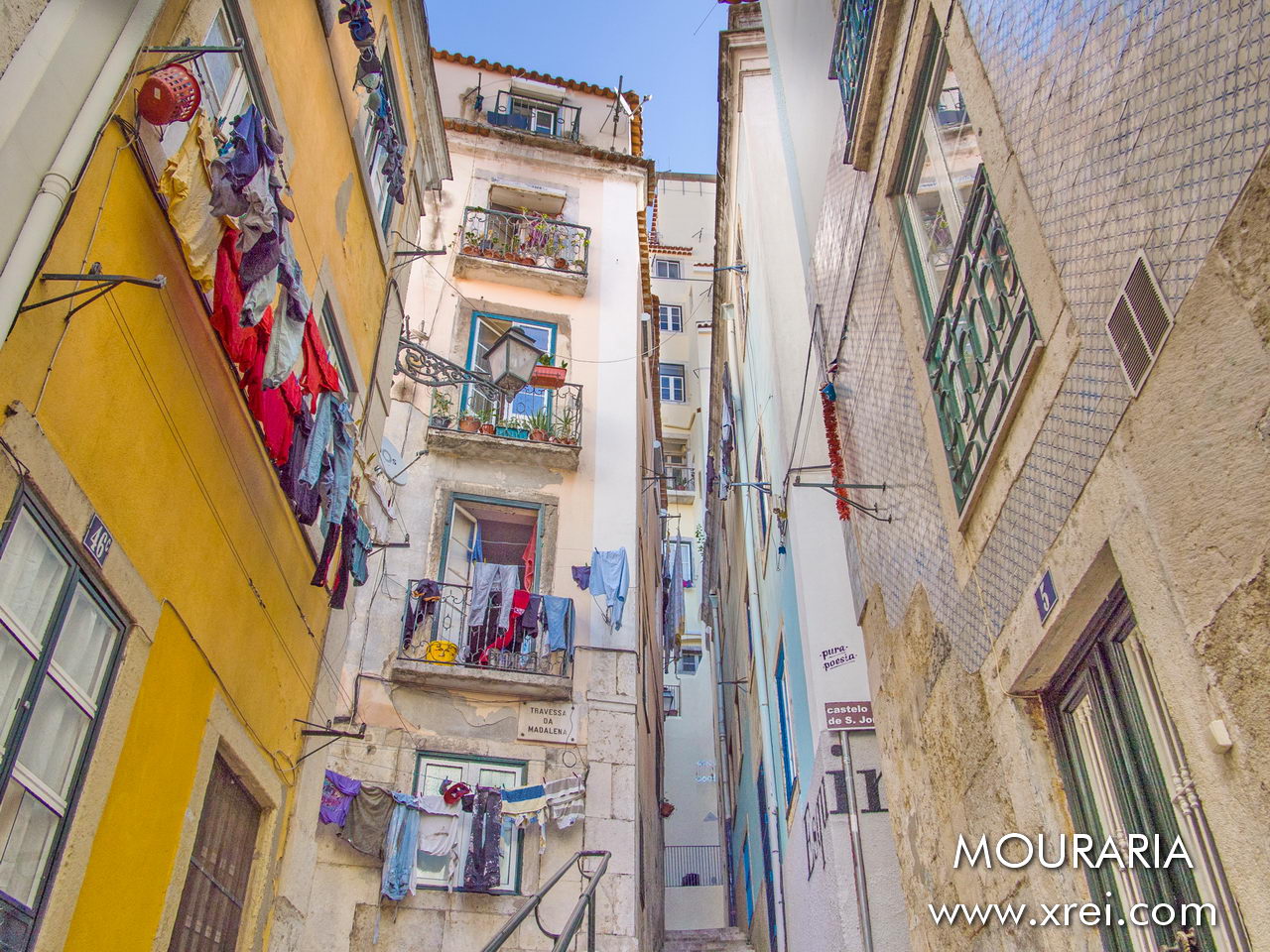
Mouraria ist eines der zentralsten und typischsten Viertel von Lissabon, ein Viertel, in dem man das Wesen eines Lissabonners in einer Mischung aus internationalen Einflüssen spüren und sehen kann. Es ist ein Viertel, das erlebt und gefühlt werden muss, um das portugiesische Fado-Kulturleben im Einklang mit Bewohnern aus orientalischen und afrikanischen Kulturen zu verstehen. In Mouraria findet man Gebäude und Straßen verschiedener Stile und Epochen: von Gebäuden mit einfachen Fassaden bis hin zu aufwendigeren Fassaden, von verwinkelten Gassen bis zu breiteren Straßen. Aufgrund der Steilheit der Straßen sieht man in Mouraria Fenster am oberen Ende von Treppen und umgekehrt; es ist ein verwinkeltes und labyrinthartiges Viertel. Es ist das Viertel, in dem Dom Afonso Henriques die Muslime ansiedelte, die nach der christlichen Rückeroberung im Jahr 1147 weiterhin in Lissabon lebten. Es ist das Viertel des Fado, der Ort, an dem Severa, die erste bekannte Fado-Sängerin, lebte und auftrat. Mouraria hat ein ganz eigenes Leben: Es gibt eine große Anzahl von Geschäften und kleinen Läden, Fado-Häuser, Restaurants und Tavernen, in denen man die typischsten portugiesischen und internationalen Gerichte probieren kann. Es ist ein Viertel mit einer der größten kulturellen Vielfalt der portugiesischen Hauptstadt, mit über 60 Nationalitäten, darunter bedeutende Gemeinschaften aus asiatischen und afrikanischen Ländern wie Pakistan, Bangladesch, China, Indien und Mosambik, weshalb man die charakteristischen Aromen des Orients in der Luft spüren kann. In Mouraria trägt die rassische und kulturelle Vielfalt zu einem friedlichen und harmonischen Leben bei. Ein Ort zum Leben, Investieren und Besuchen.
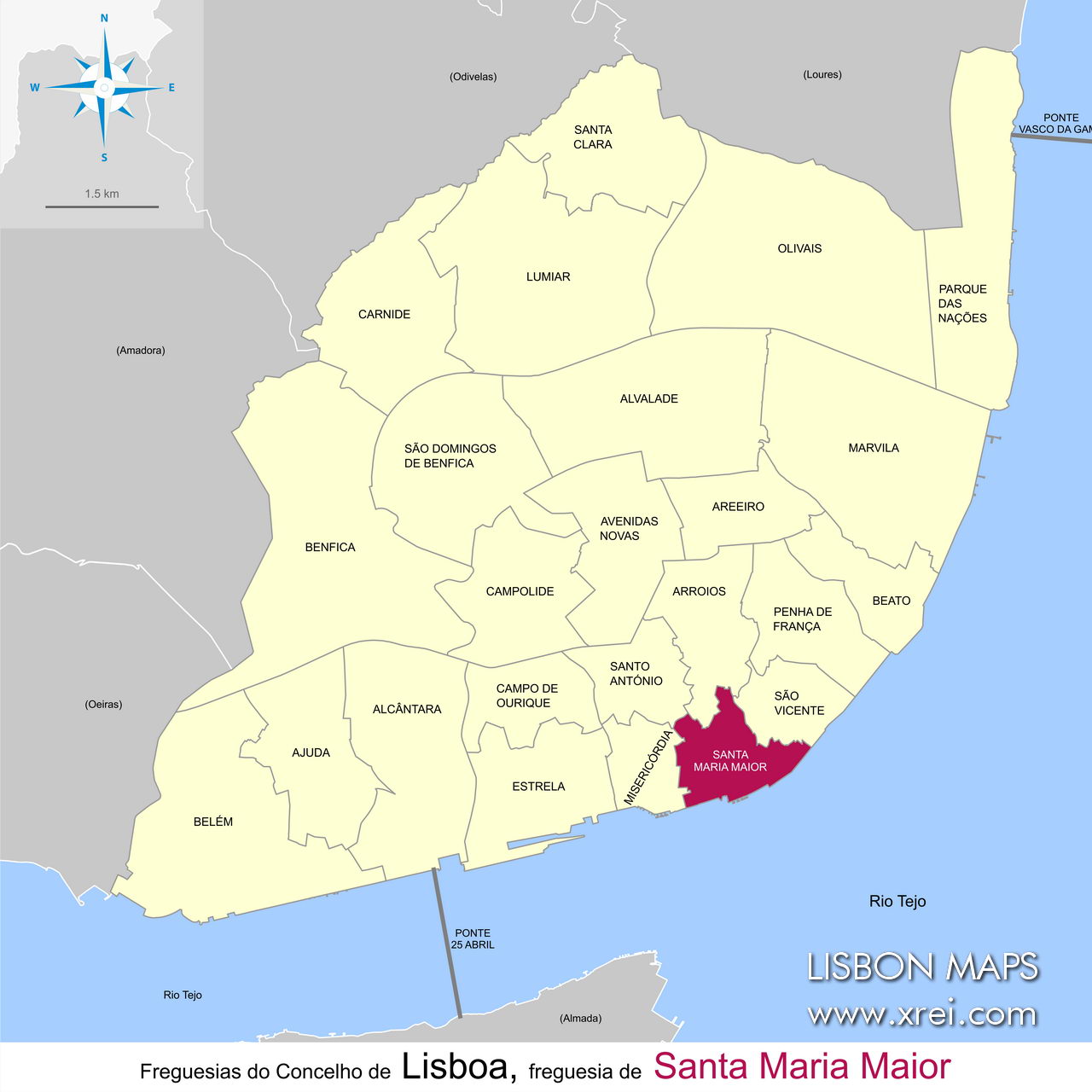
Das Viertel Mouraria wird von der Junta de Freguesia de Santa Maria Maior verwaltet.
Die Atmosphäre von Mouraria
Mouraria ist ein multikulturelles Viertel, voller Düfte, Farben, Klänge... Wenn man Mouraria betritt, spürt man die Verengung der Straßen, die Ansammlung von Menschen verschiedener Ethnien, die sich durch die labyrinthartigen Gassen bewegen, mit dem traditionellen portugiesischen Natursteinboden, der bereits vom Alter poliert ist. Es gibt verschiedene Routen, die man nehmen kann, um Mouraria kennenzulernen: vom Platz Martim Moniz aus, von Arroios, von der Baixa kommend, hinunter durch Alfama oder von der Graça, entlang des Burghügels. Mouraria ist von den historischsten Vierteln Lissabons umgeben.
Top 10 Sehenswürdigkeiten in Mouraria
1. Rooftop Bar Hotel Mundial: Einer der berühmtesten Terrassen Lissabons mit Panoramablick auf die Burg São Jorge, den Rossio und den Tejo. Die Rooftop Bar Hotel Mundial befindet sich auf dem Dach des Hotel Mundial am Praça Martim Moniz, eine Luxusterrasse mit Bar-Service, wo Unternehmen und Privatpersonen in ruhiger Atmosphäre mit privilegierter Aussicht über Lissabon zusammenkommen oder Feste organisieren können...
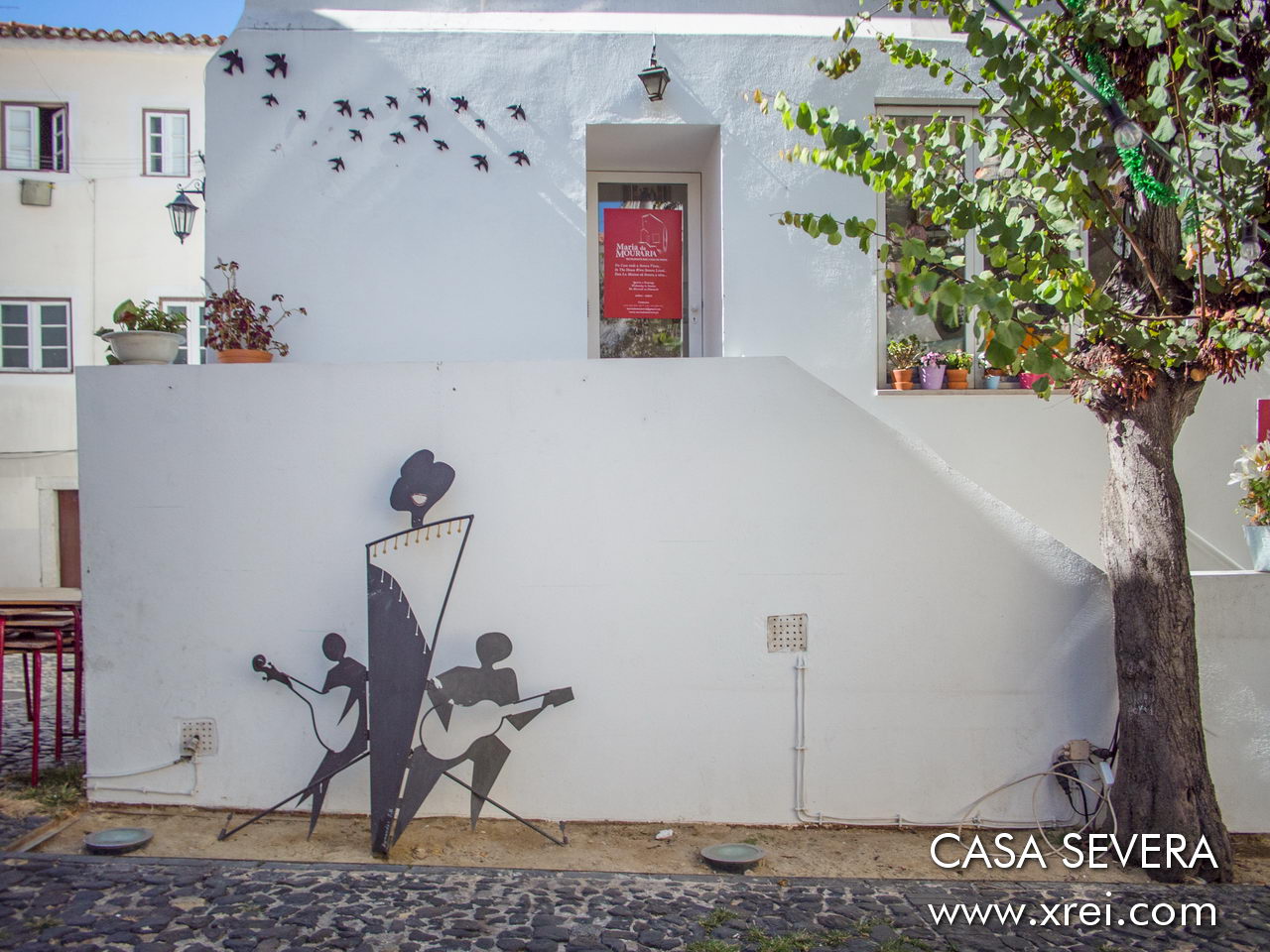
2. Casa da Severa ist eine Erweiterung des Museu do Fado, wo man Fado hören und das Leben von Maria Severa Onofriana, bekannt als die erste portugiesische Fado-Sängerin, kennenlernen kann. In der Casa da Severa am Largo da Severa kann man das Fado-Haus und das Café-Bar besuchen.
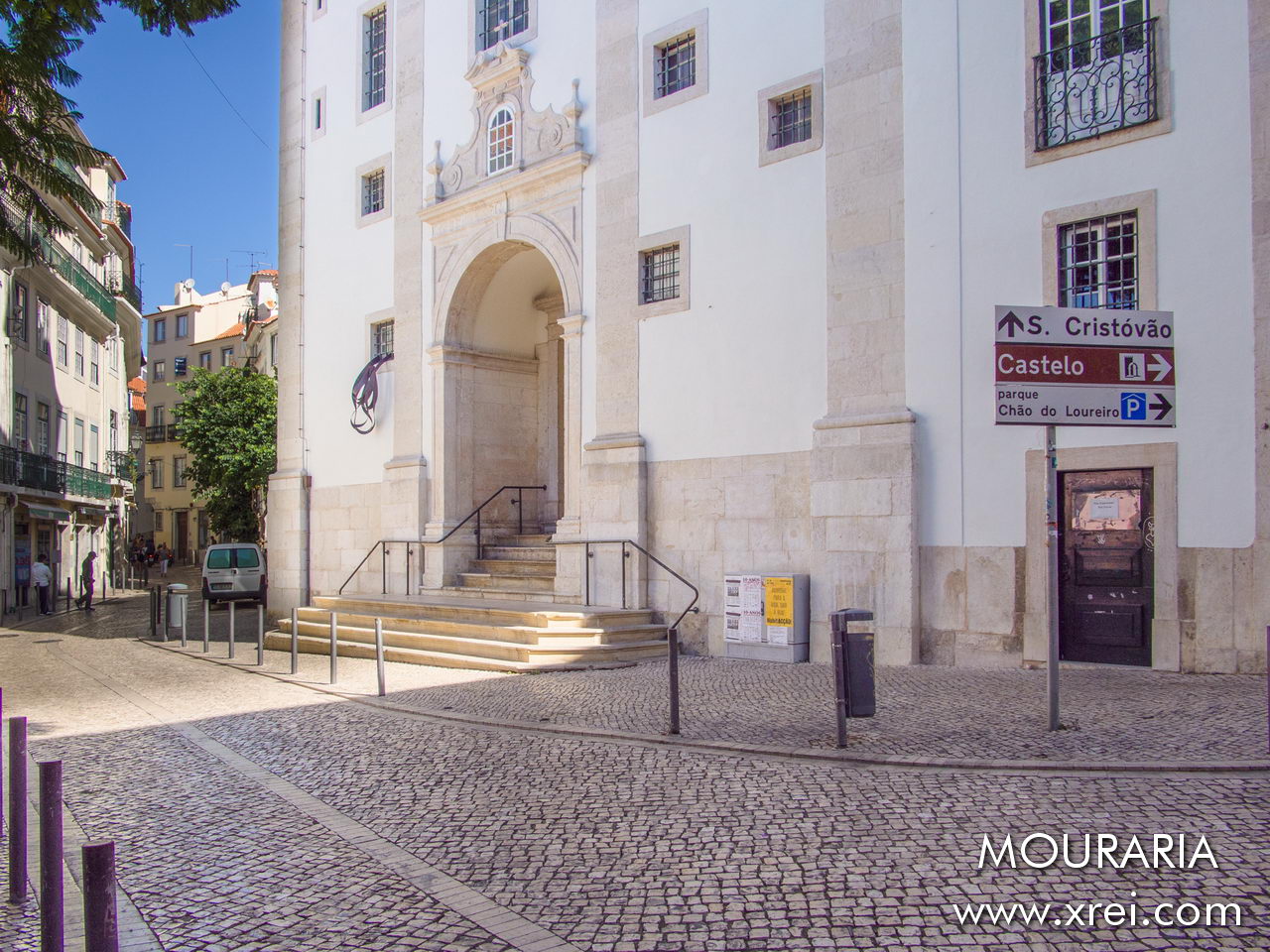
3. Igreja de São Cristóvão ist ein Bauwerk aus dem 17. Jahrhundert am Largo de São Cristóvão und gehört zu einer der ältesten Pfarreien der Stadt Lissabon, die im 13. Jahrhundert als Igreja de Santa Maria de Alcamim bekannt war. Zu den Höhepunkten der Igreja de São Cristóvão gehören die 36 Gemälde von Bento Coelho da Silveira (1617-1708); das Grabmal von Bischof Dom Fernando de Miranda, Kaplan von Dom Afonso V; und das Grabmal von Dom Martim Afonso, Erzbischof von Braga, Gouverneur während der Herrschaft von Dom Duarte und Hauptberater von Dom João II.
4. Igreja de Nossa Senhora da Saúde ist der Ausgangspunkt der Prozession von Nossa Senhora da Saúde, der ältesten Prozession der Stadt Lissabon, die seit 1570 ununterbrochen stattfindet. Die Prozession von Nossa Senhora da Saúde wurde als Dank der Bevölkerung von Lissabon für das Ende der Großen Pest von 1569 ins Leben gerufen. Die Igreja de Nossa Senhora da Saúde wurde 1505 erbaut und nach dem Erdbeben von 1755 renoviert. Zu den Sehenswürdigkeiten der Igreja de Nossa Senhora da Saúde gehören das Bildnis von Nossa Senhora da Saúde aus dem 17. Jahrhundert; das Eingangsportal aus dem 18. Jahrhundert von João Antunes; und die Azulejo-Tafeln von António de Oliveira Bernardes (1662-1732).
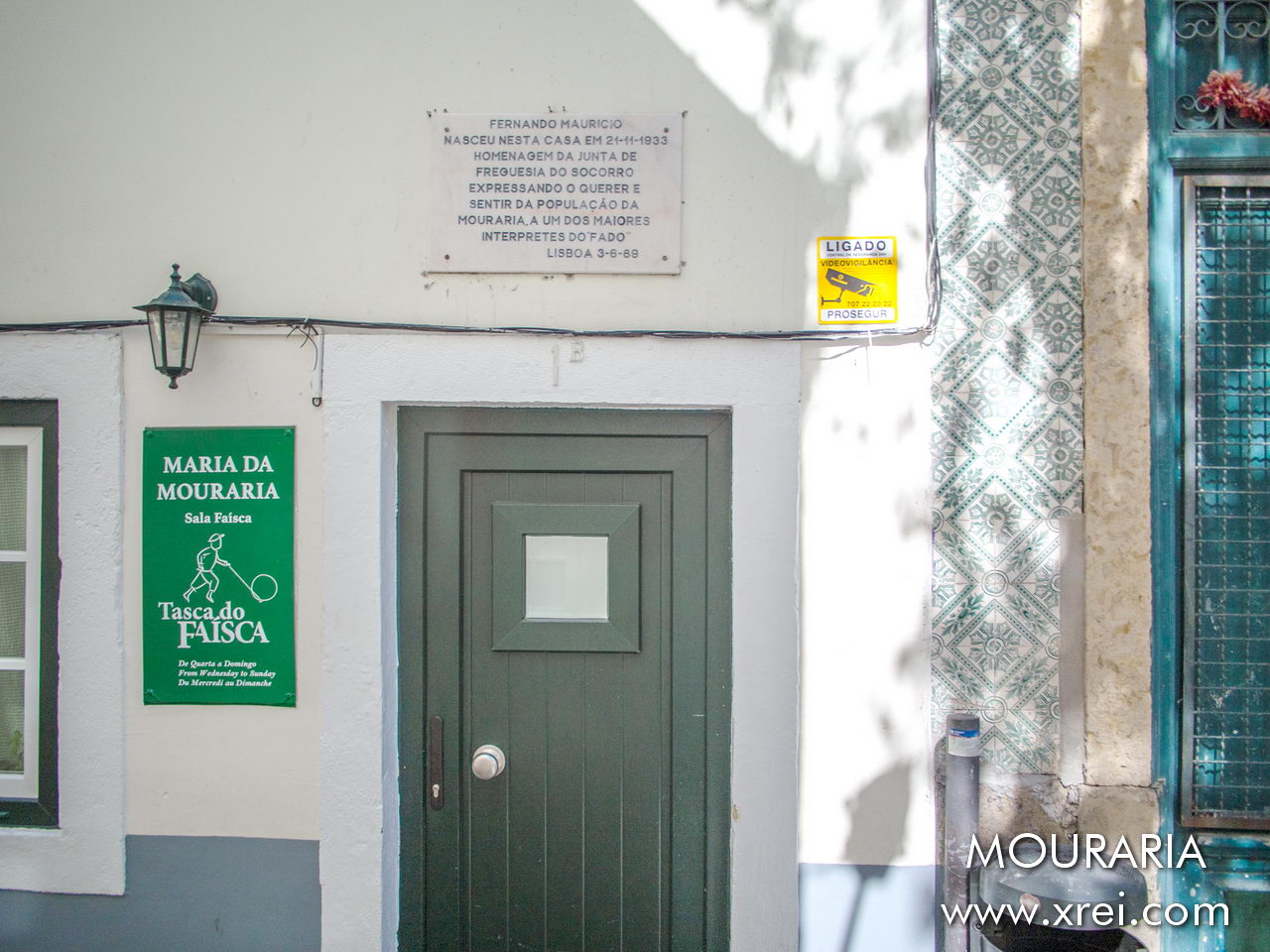
5. Casa Fernando Maurício ist eine Erweiterung des Museu do Fado, die dem Fado-Sänger Fernando Maurício (1933-2003), „Der König des Fado und von Mouraria“, gewidmet ist und sich in der Rua João do Outeiro befindet. Zu den Attraktionen der Casa Fernando Maurício gehören Videos und Interviews mit dem Fado-Sänger Fernando Maurício; seine vollständige Diskografie sowie Porträts und eine Büste, die Fernando Maurício gewidmet ist.
6. Casa da Achada ist ein Raum, der dem Maler Mário Dionísio (1916-1993) gewidmet ist und sich in der Rua da Achada befindet. Zu den Höhepunkten der Casa da Achada gehören die privaten Bibliotheken von Mário Dionísio und Maria Letícia Clemente da Silva; der permanente Ausstellungsbereich der Werke von Mário Dionísio; der Leseplatz für Forscher und Besucher; und die Außenterrasse.
7. Monumento dedicado à Mouraria ist eine Skulptur aus Naturmarmor mit der Darstellung einer portugiesischen Gitarre, auf der man lesen kann: „Symbol von Mouraria, Wiege des Fado“. Das Monumento dedicado à Mouraria befindet sich am Eingang der Rua do Capelão.
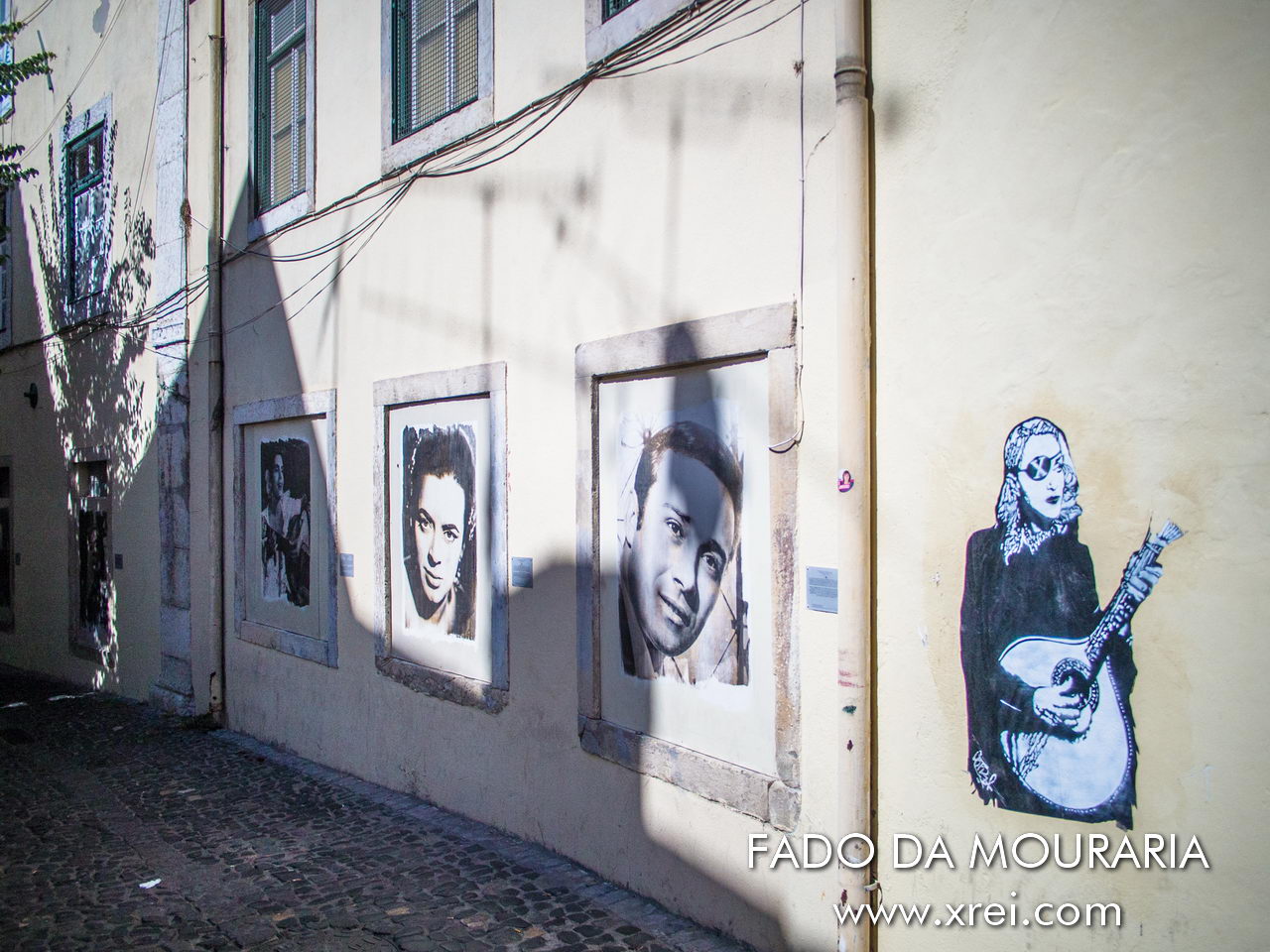
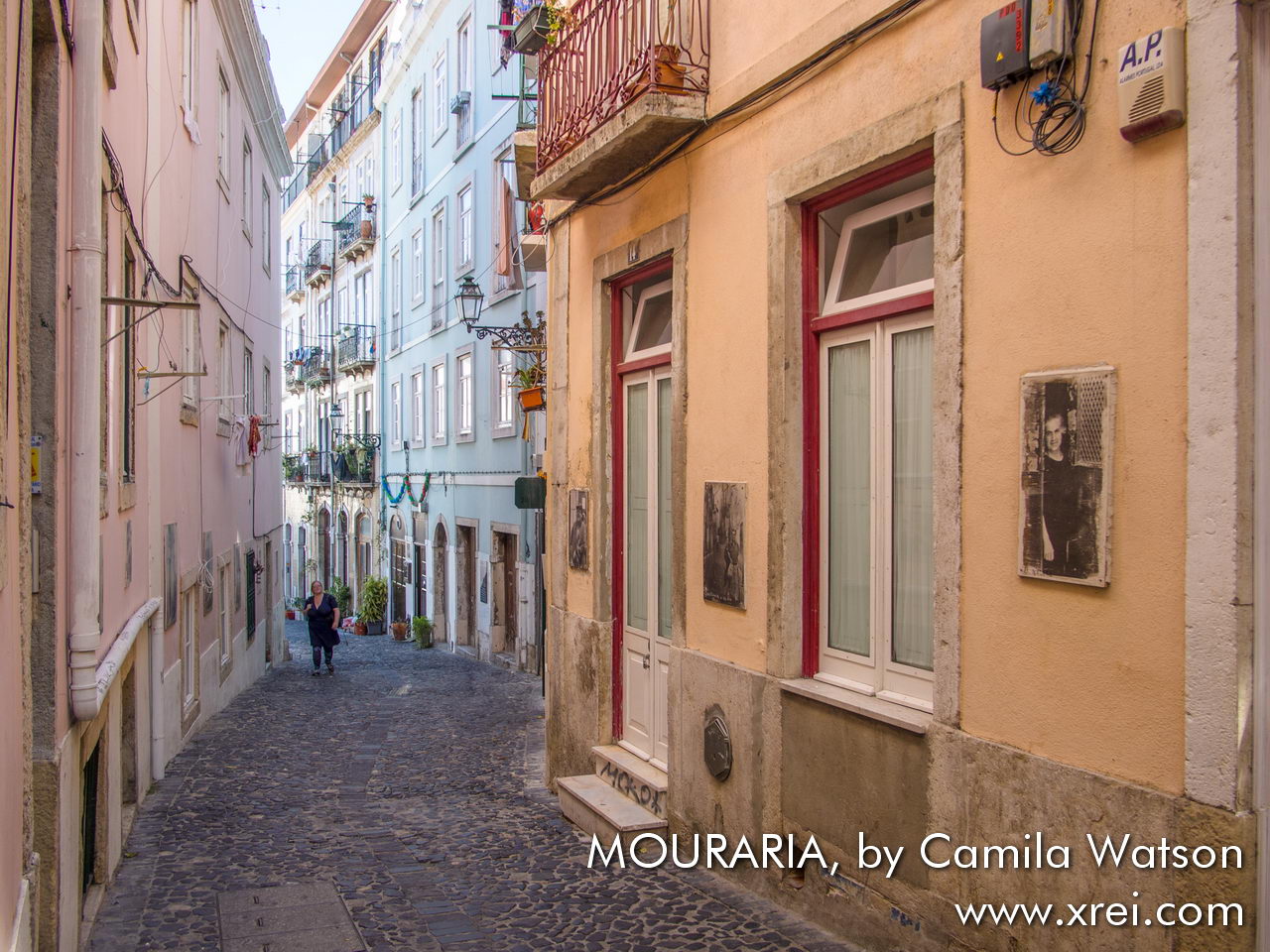
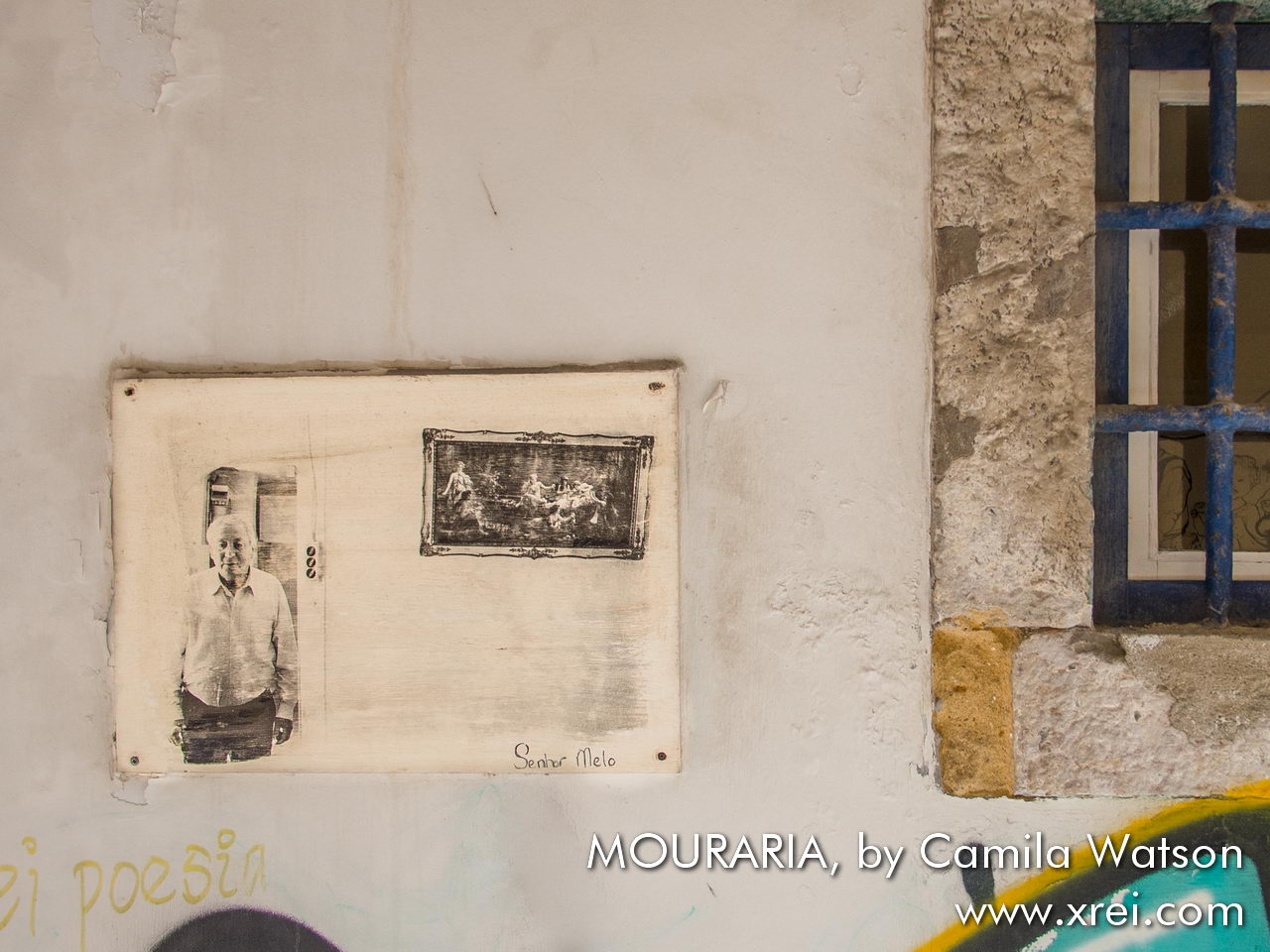
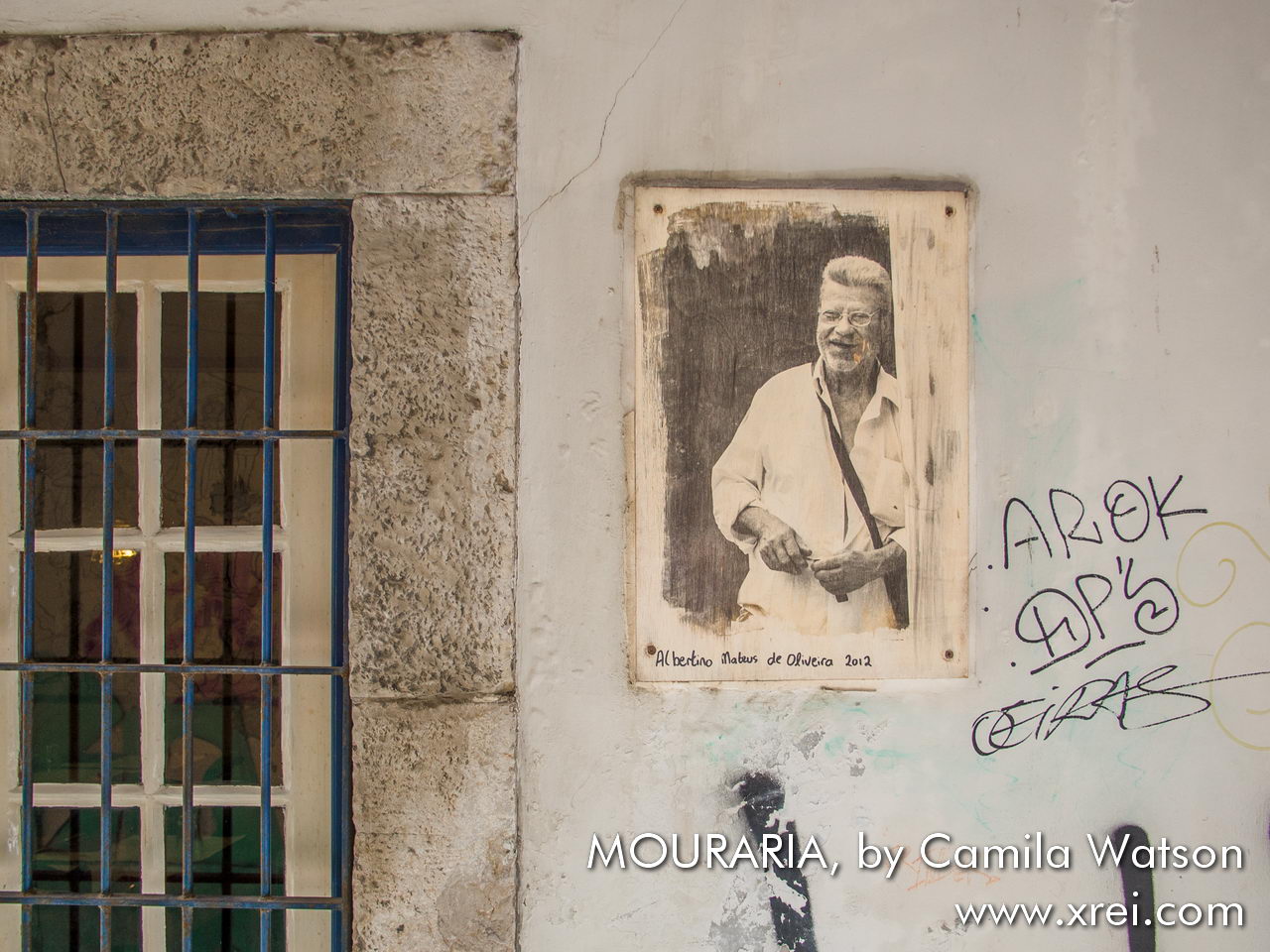
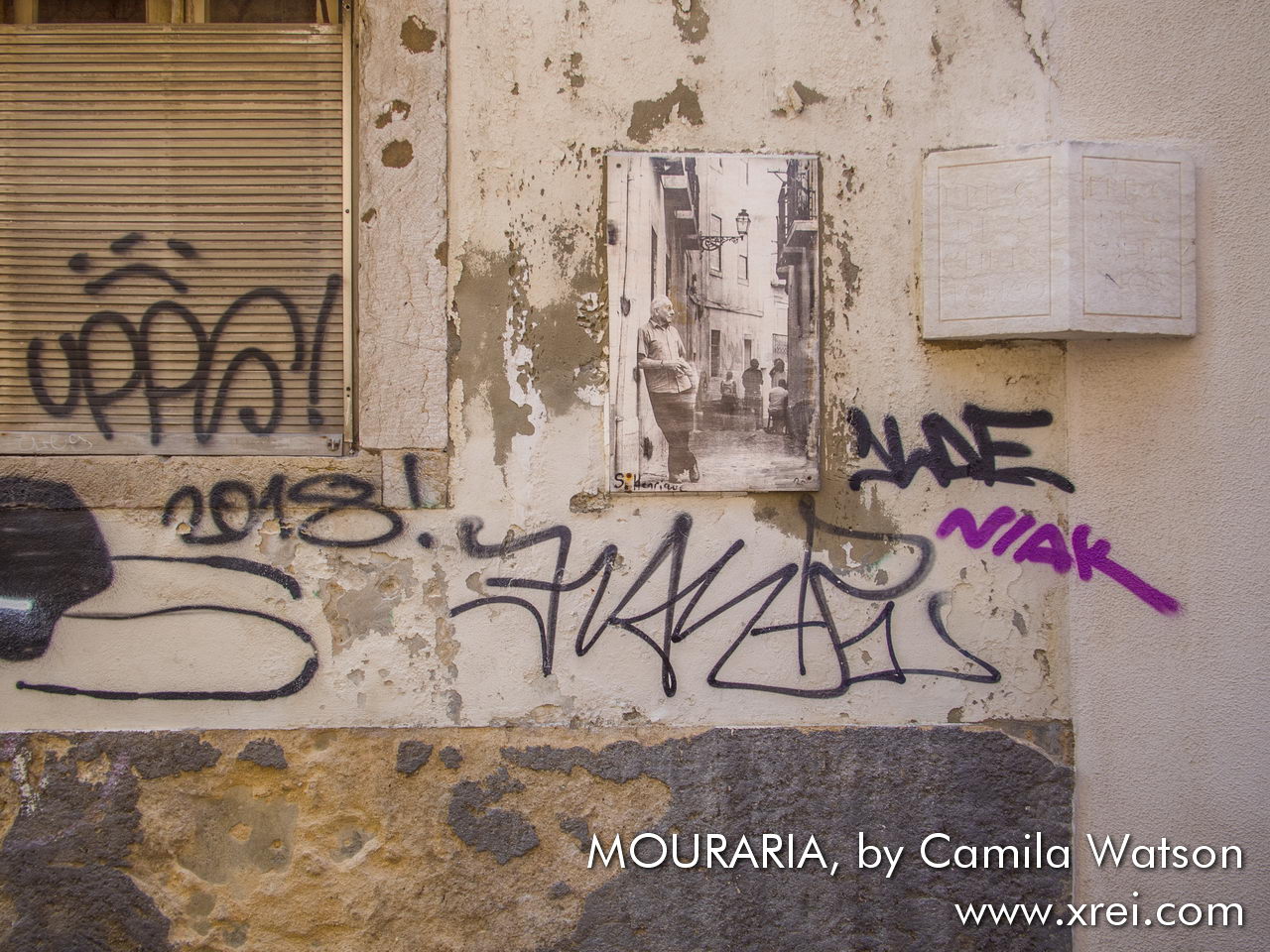
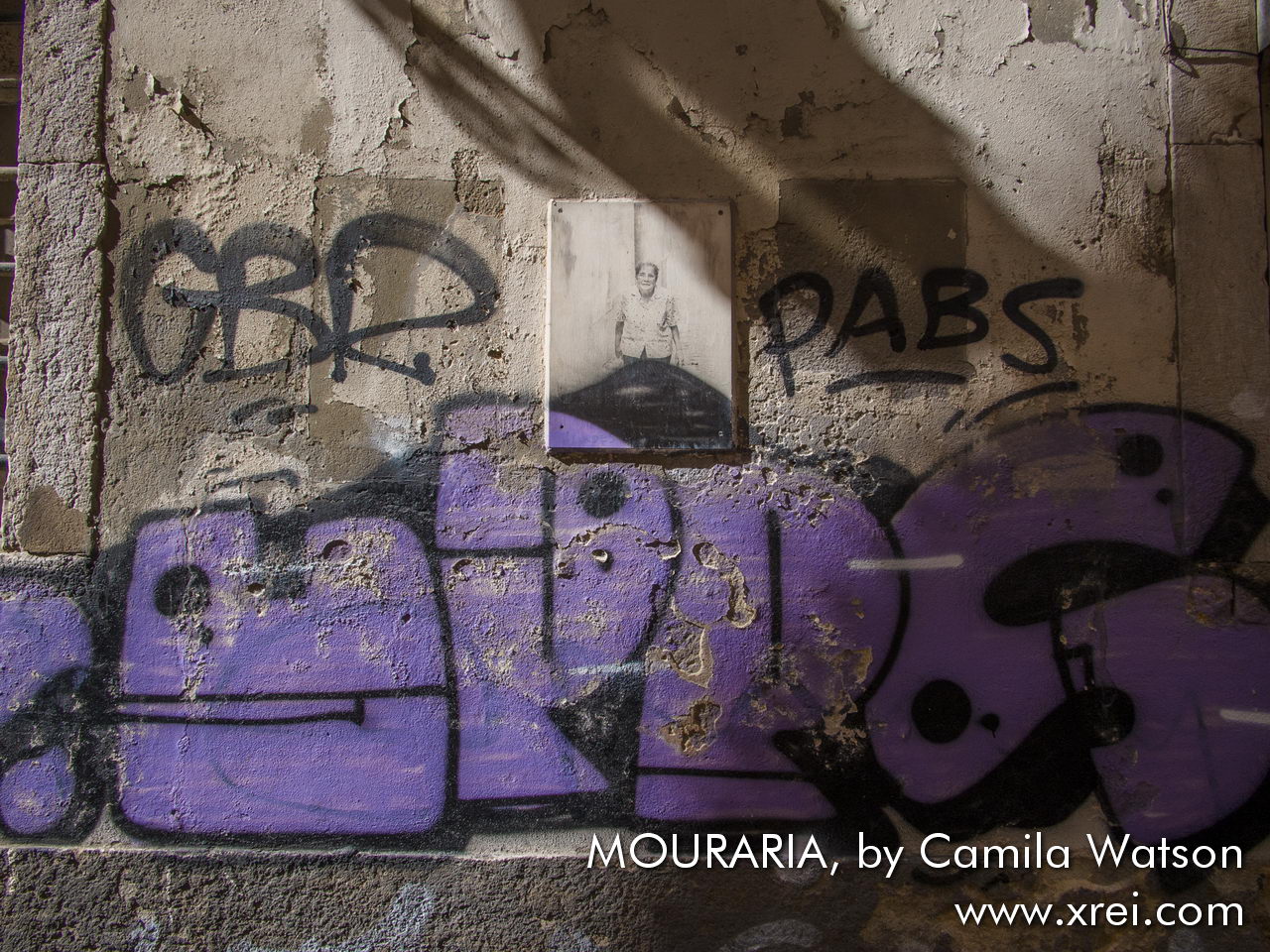
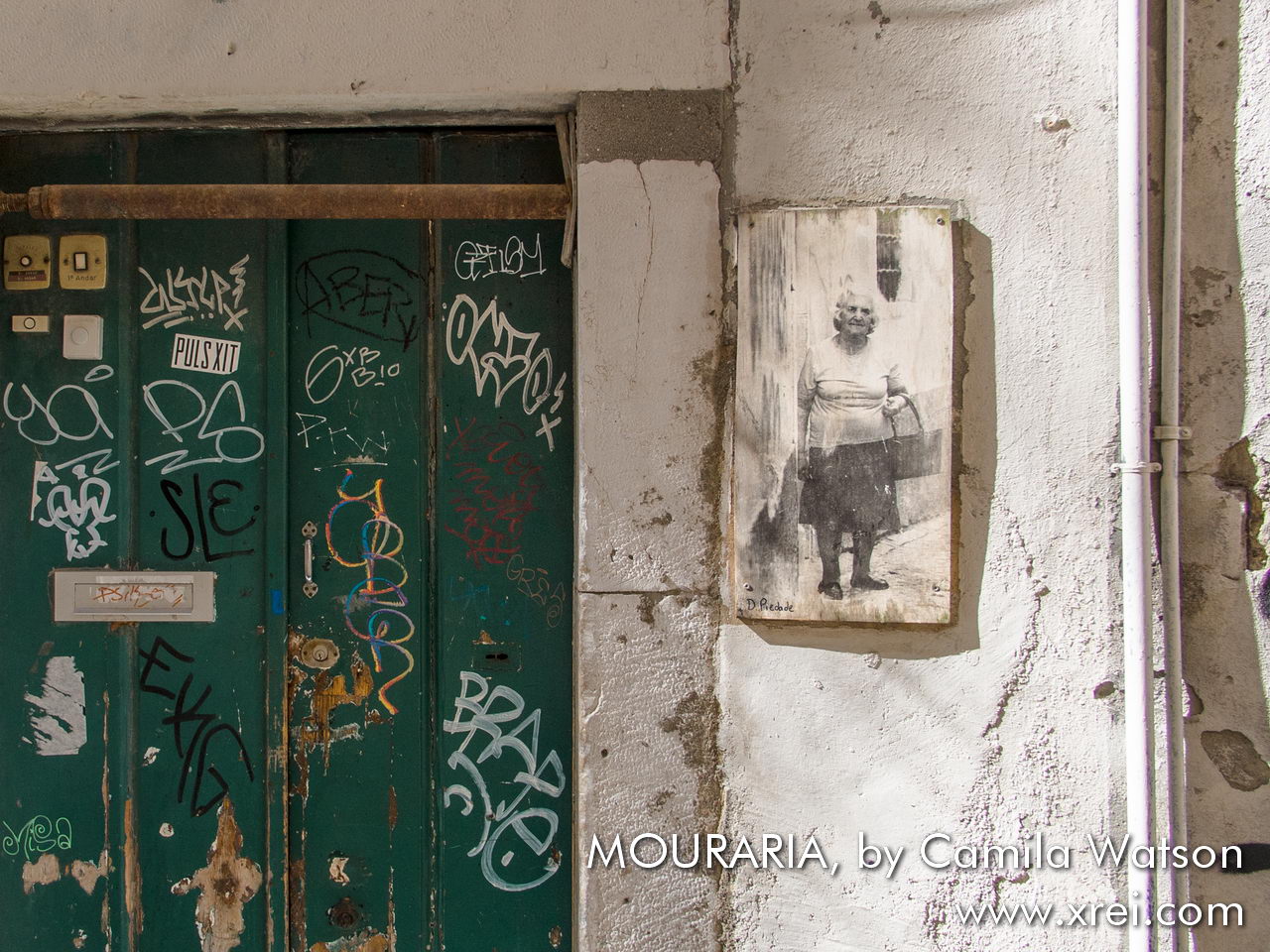
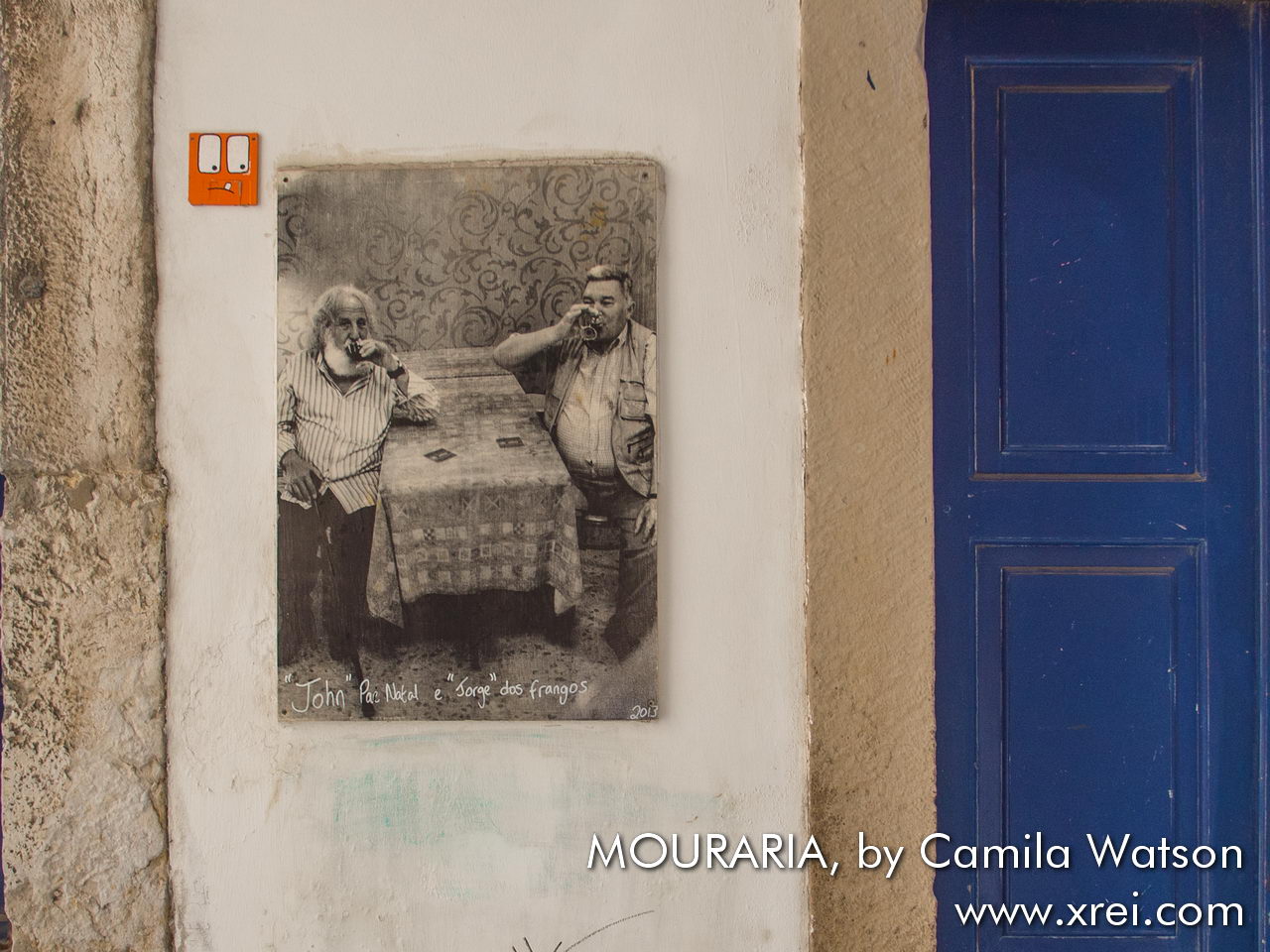
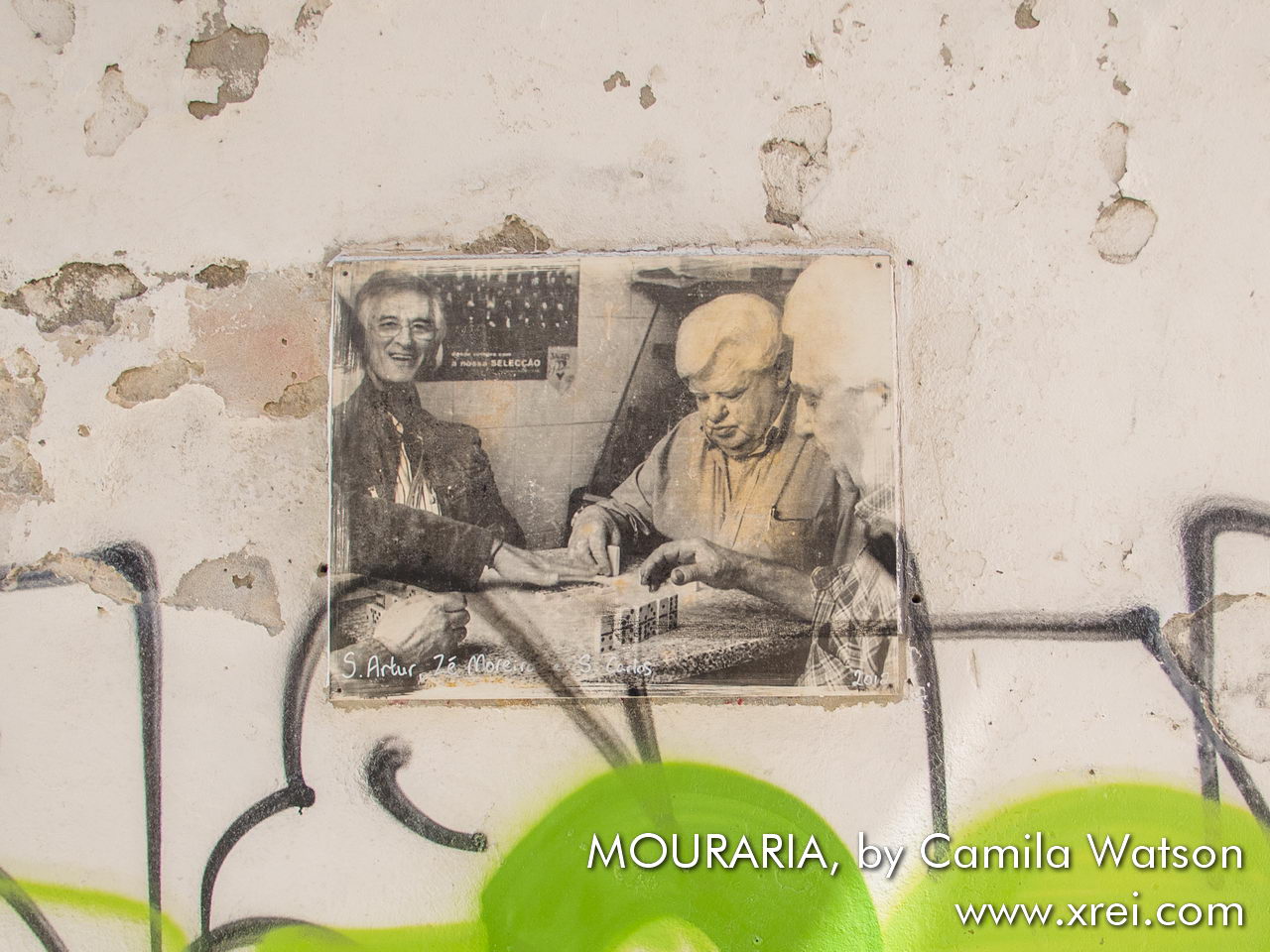
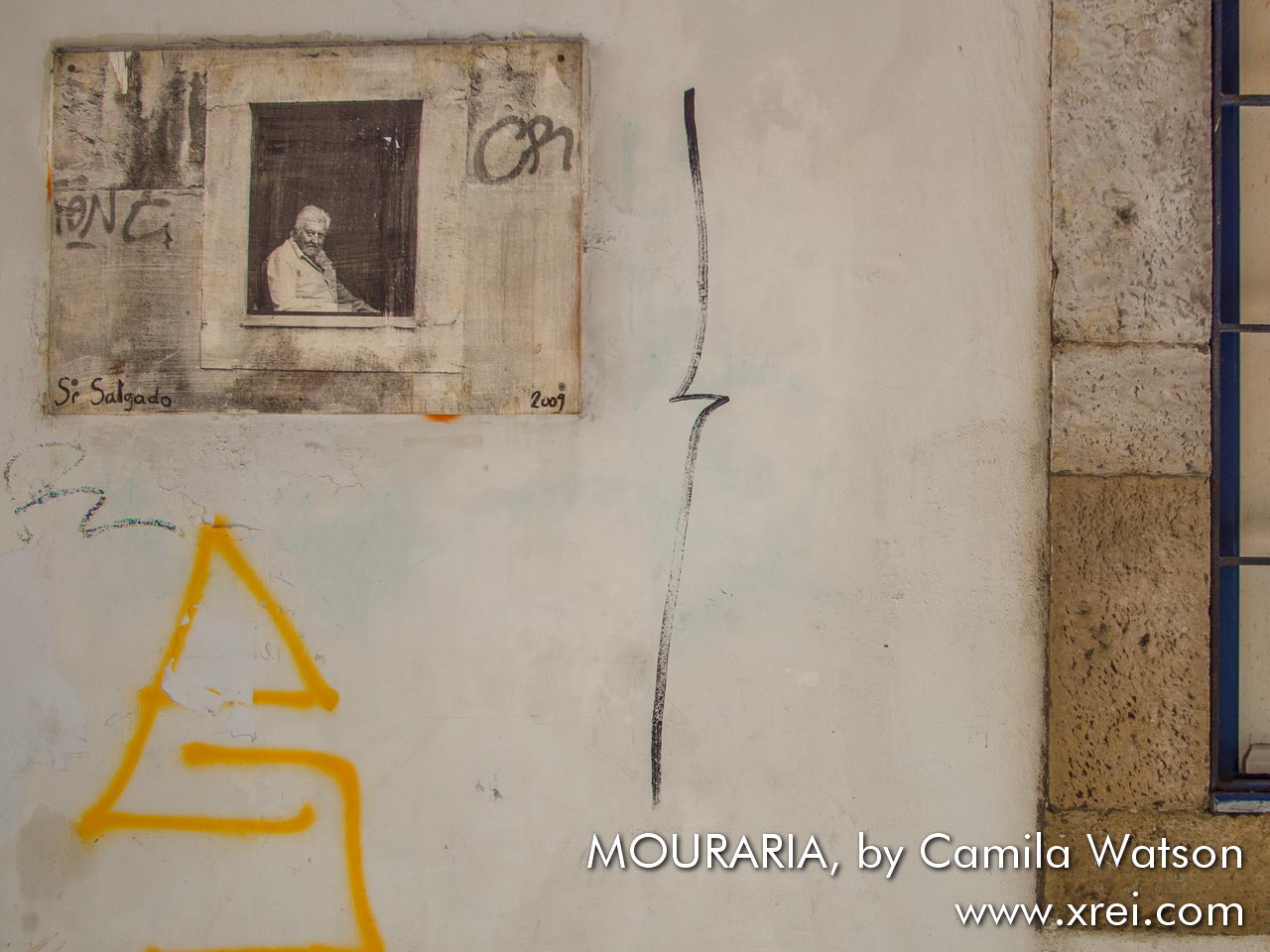
8. Atelier Camilla Watson ist das Atelier, in dem die britische Fotografin Camilla Watson ihre Fotografien für die von ihr organisierten Ausstellungen vorbereitet. Camilla Watson, die seit 2007 in Mouraria lebt, hat zur Verbreitung der lokalen Geschichte in Außenbereichen beigetragen, insbesondere durch die Teilnahme an Projekten wie „Um Tributo“, einer Ausstellung mit Fotografien am Largo de São Cristóvão und im Beco das Farinhas; „Retratos do Fado - Um Tributo à Mouraria“, einer Ausstellung mit Fotografien in der Rua do Capelão, Rua João do Outeiro, Rua da Guia, Rua Marquês Ponte de Lima, Largo das Olarias und Travessa da Nazaré; und „Canto do Sol“, einer Ausstellung mit einem Panel aus 80 Mosaiken in der Rua dos Lagares.
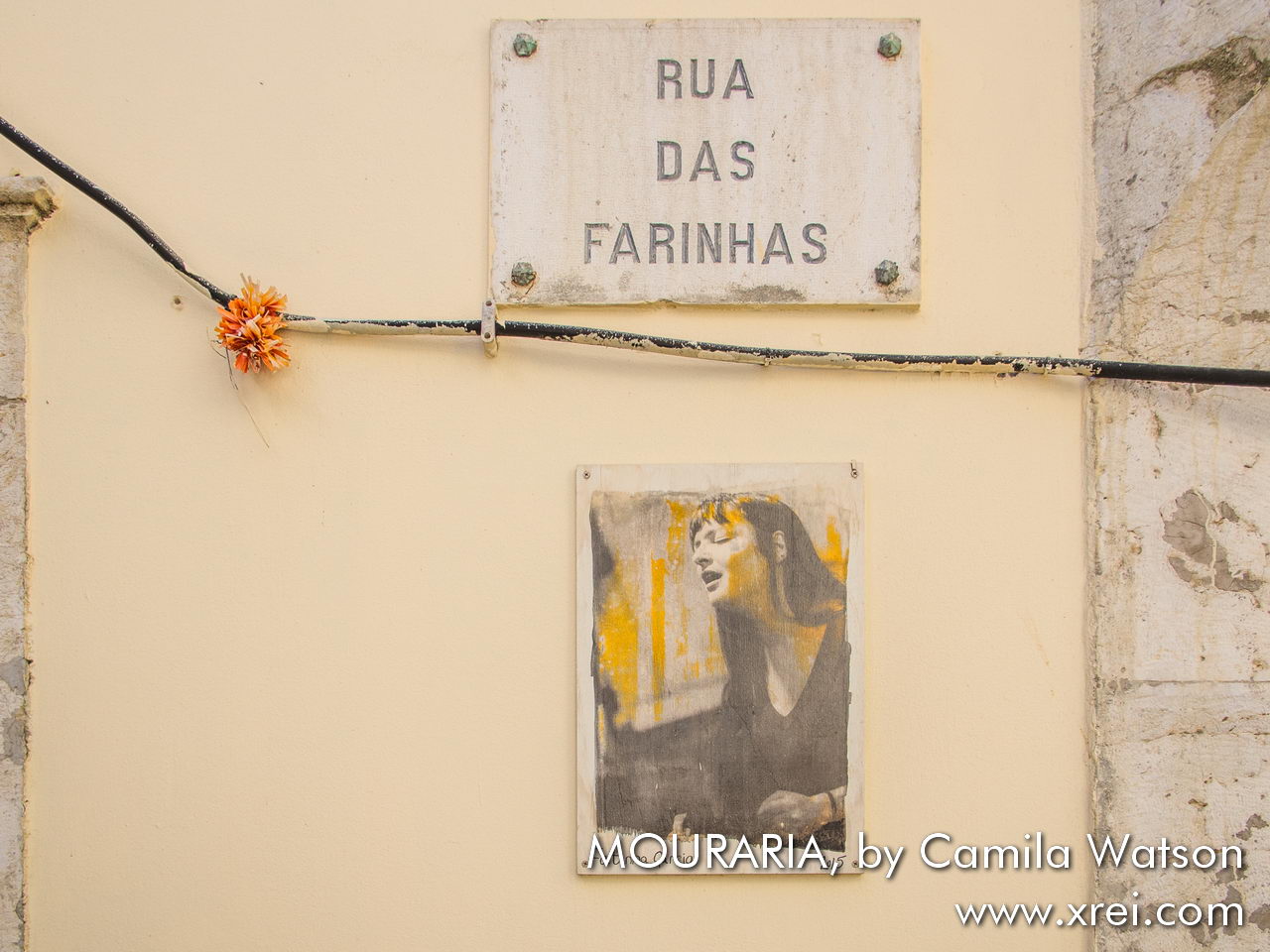
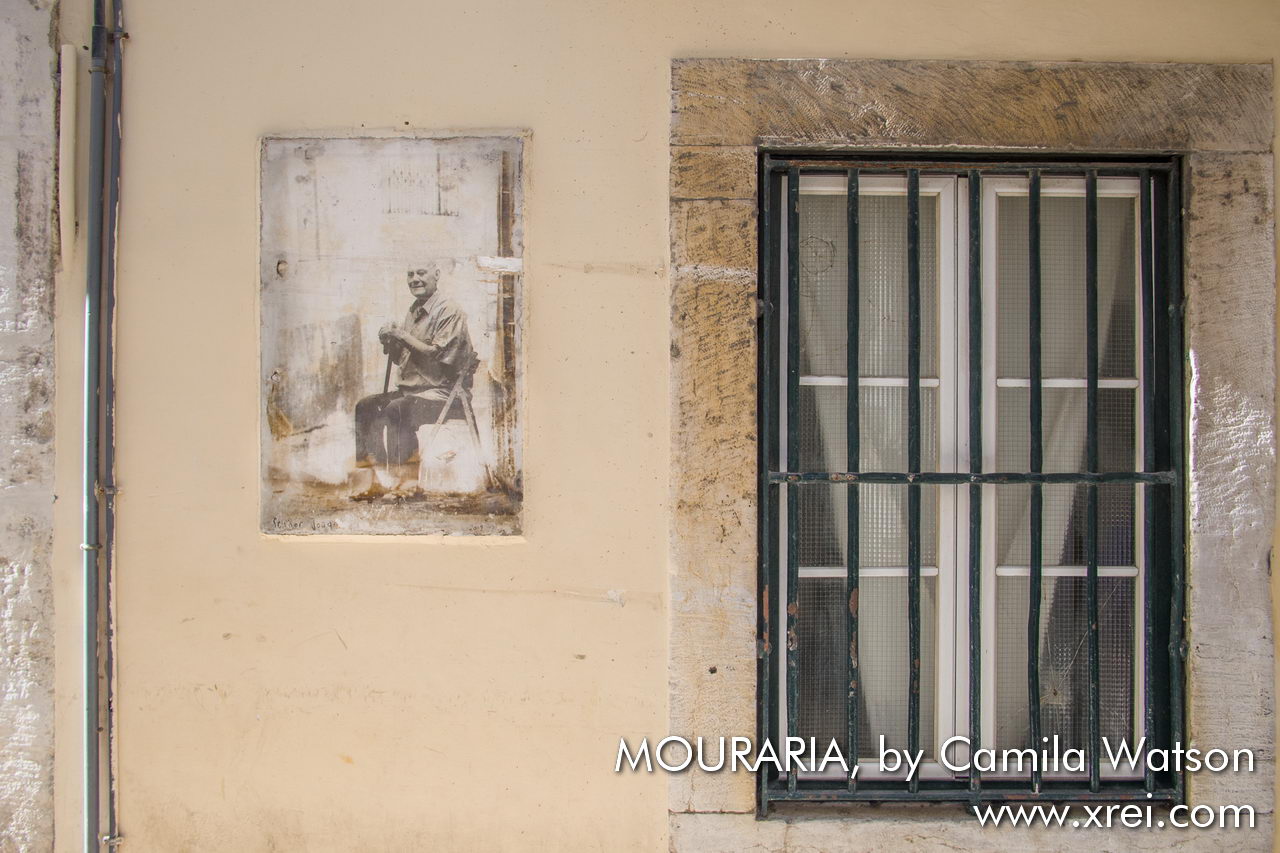
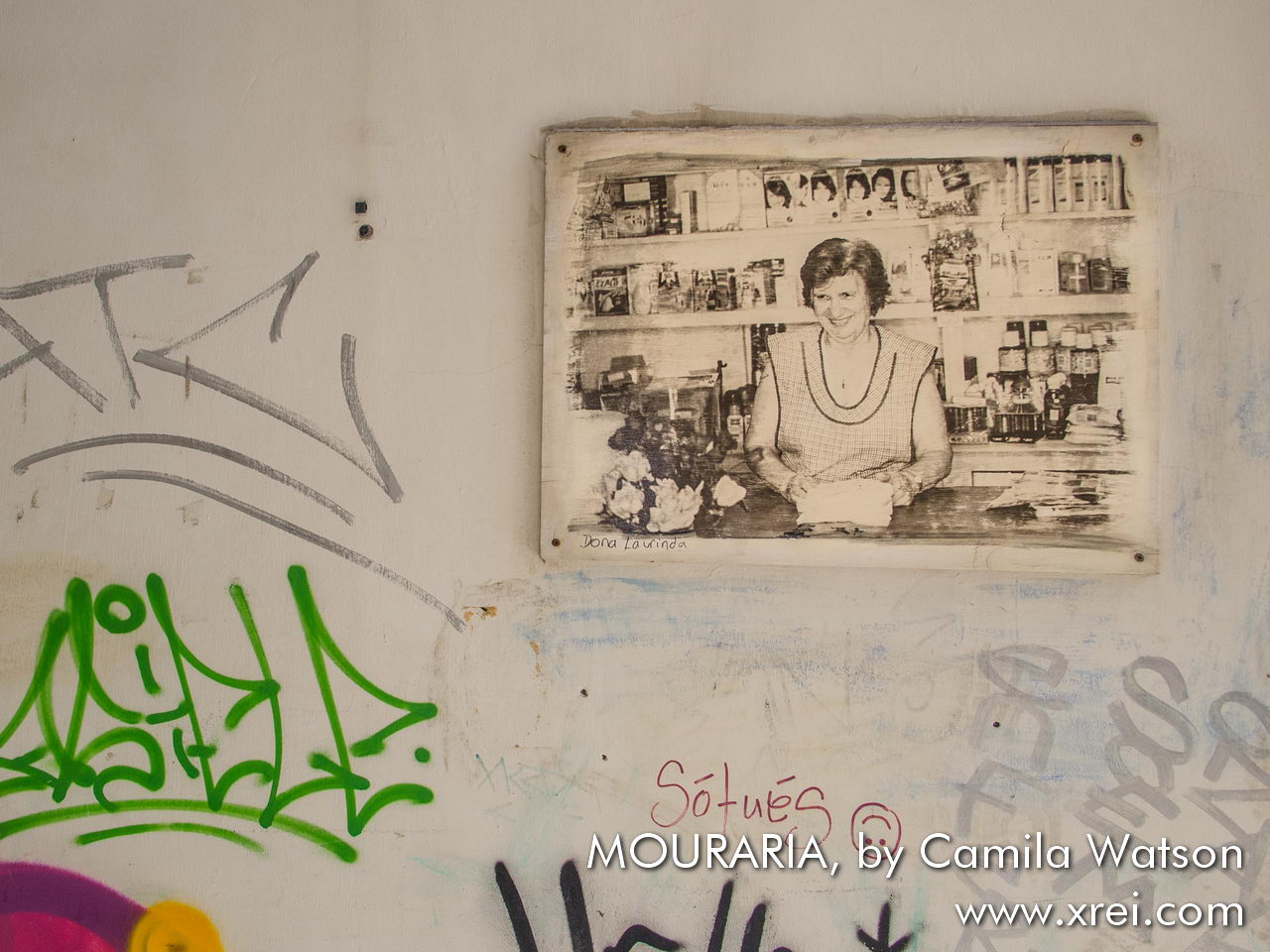
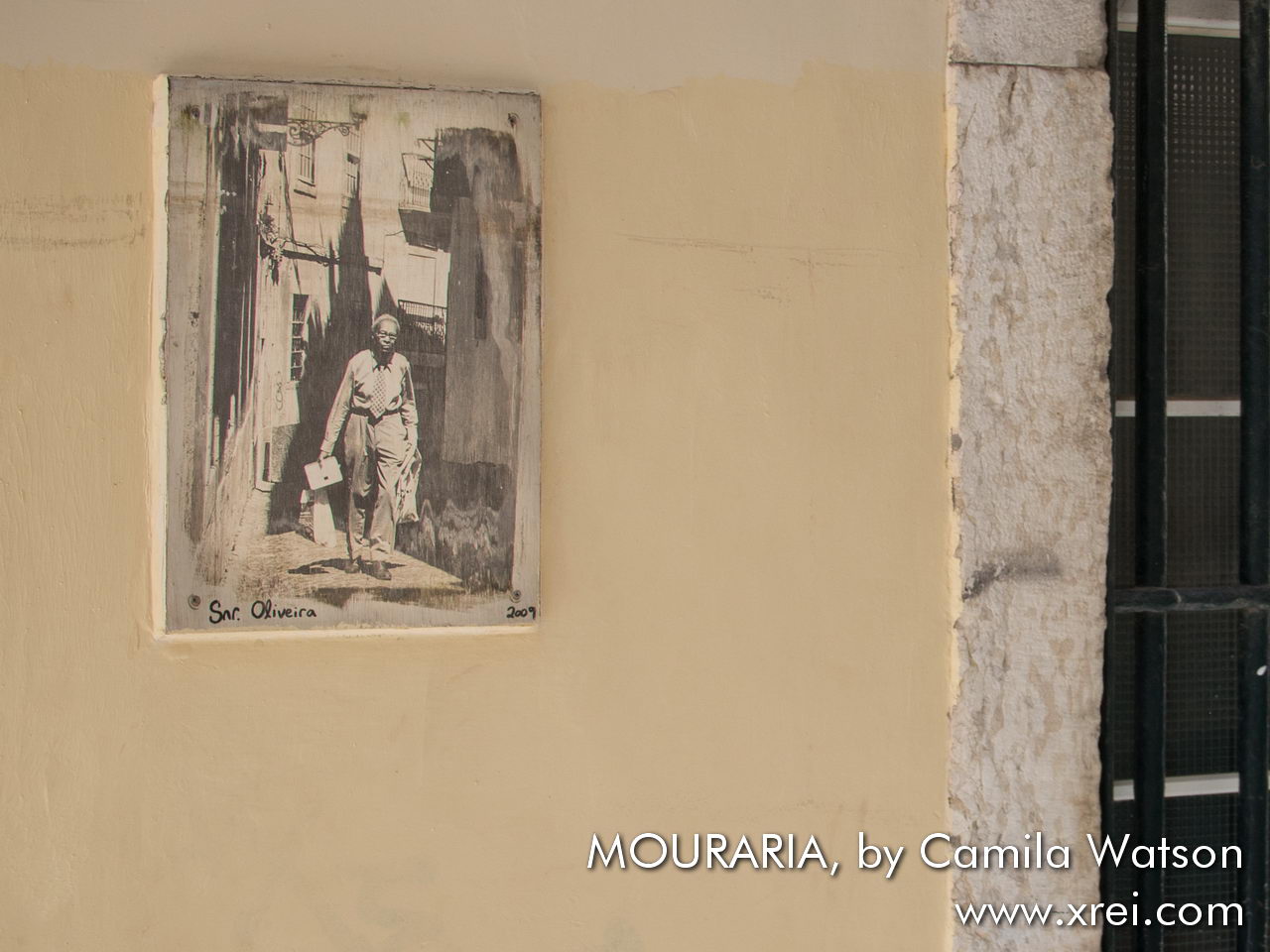
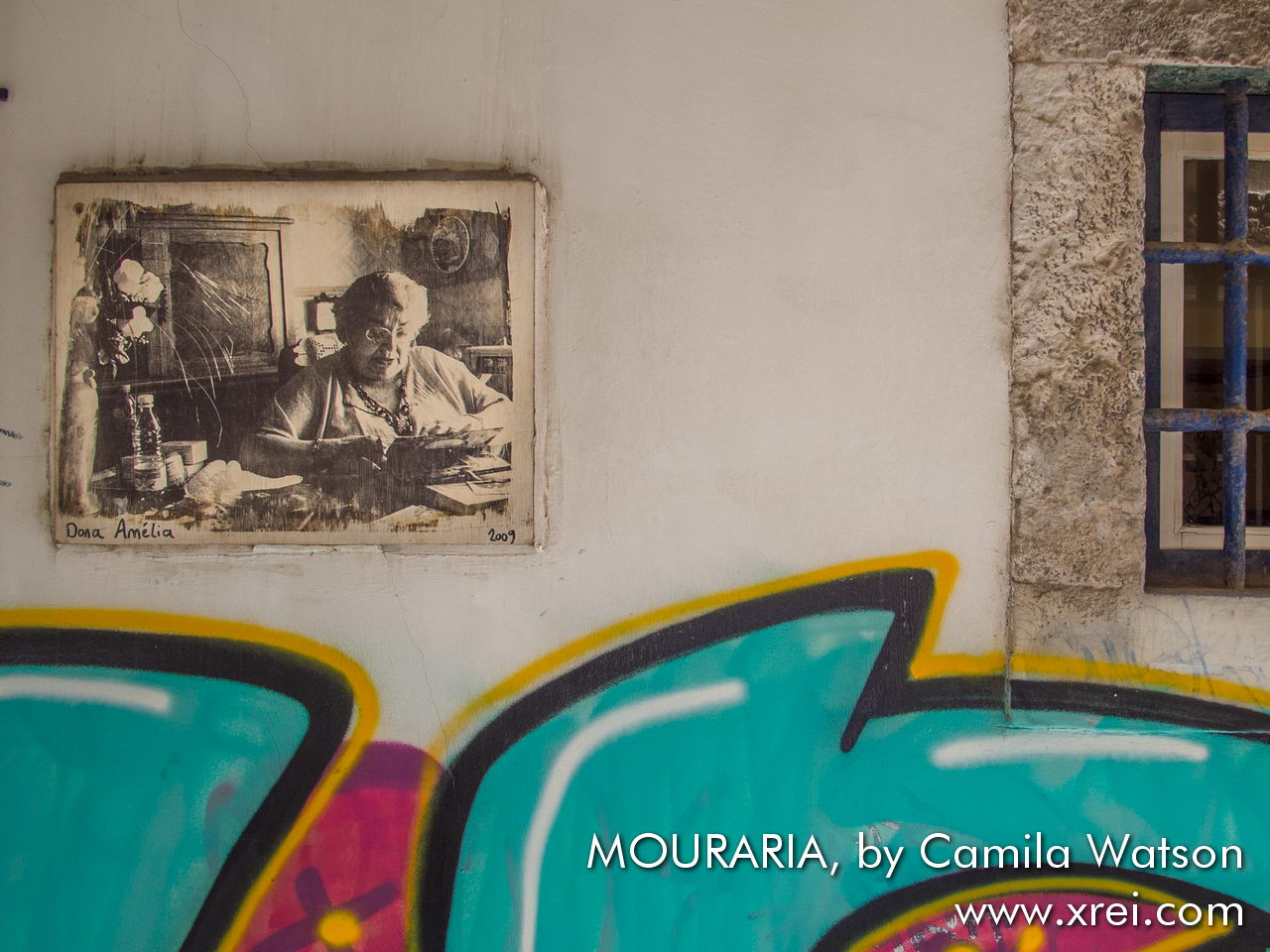
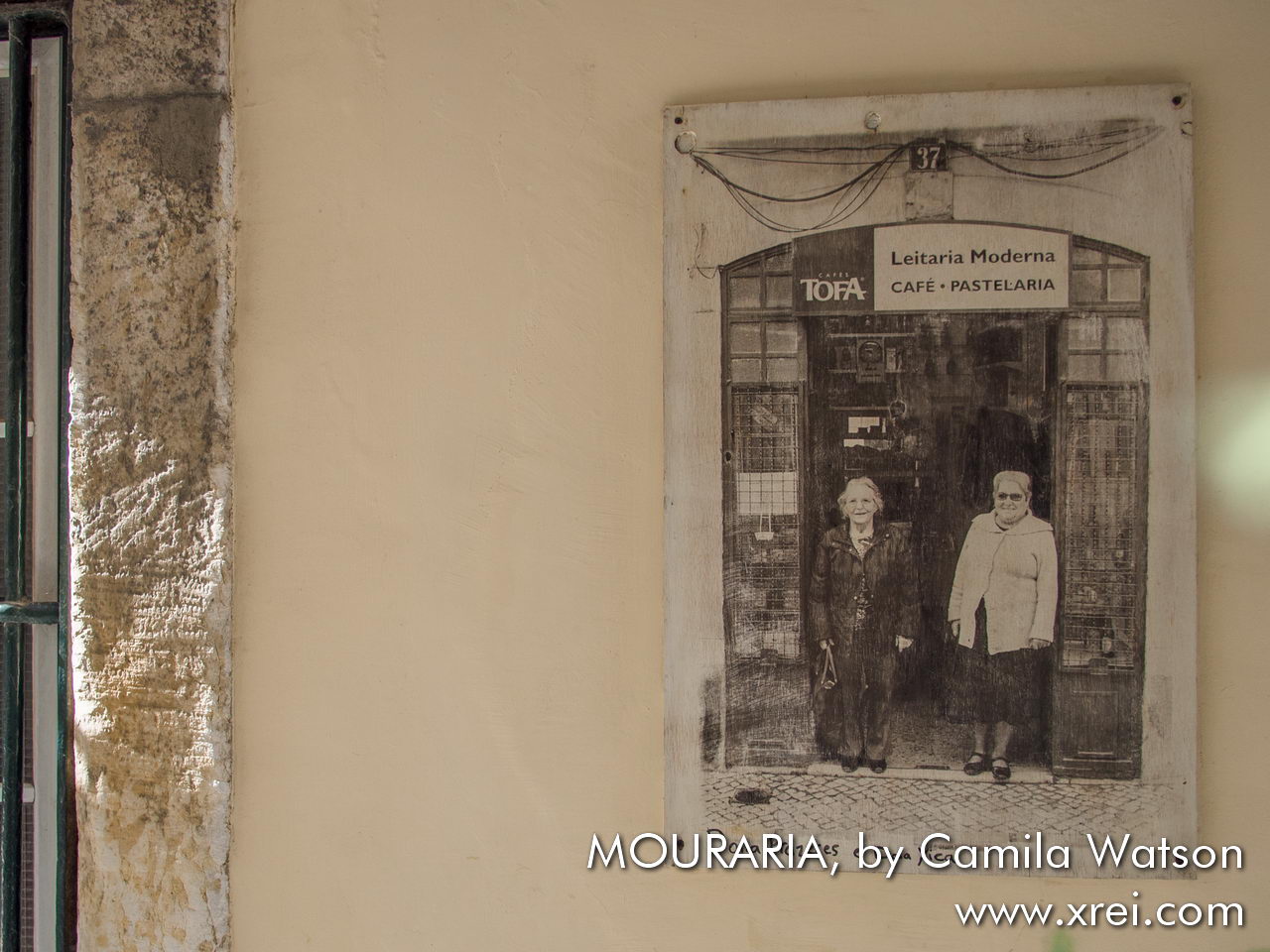
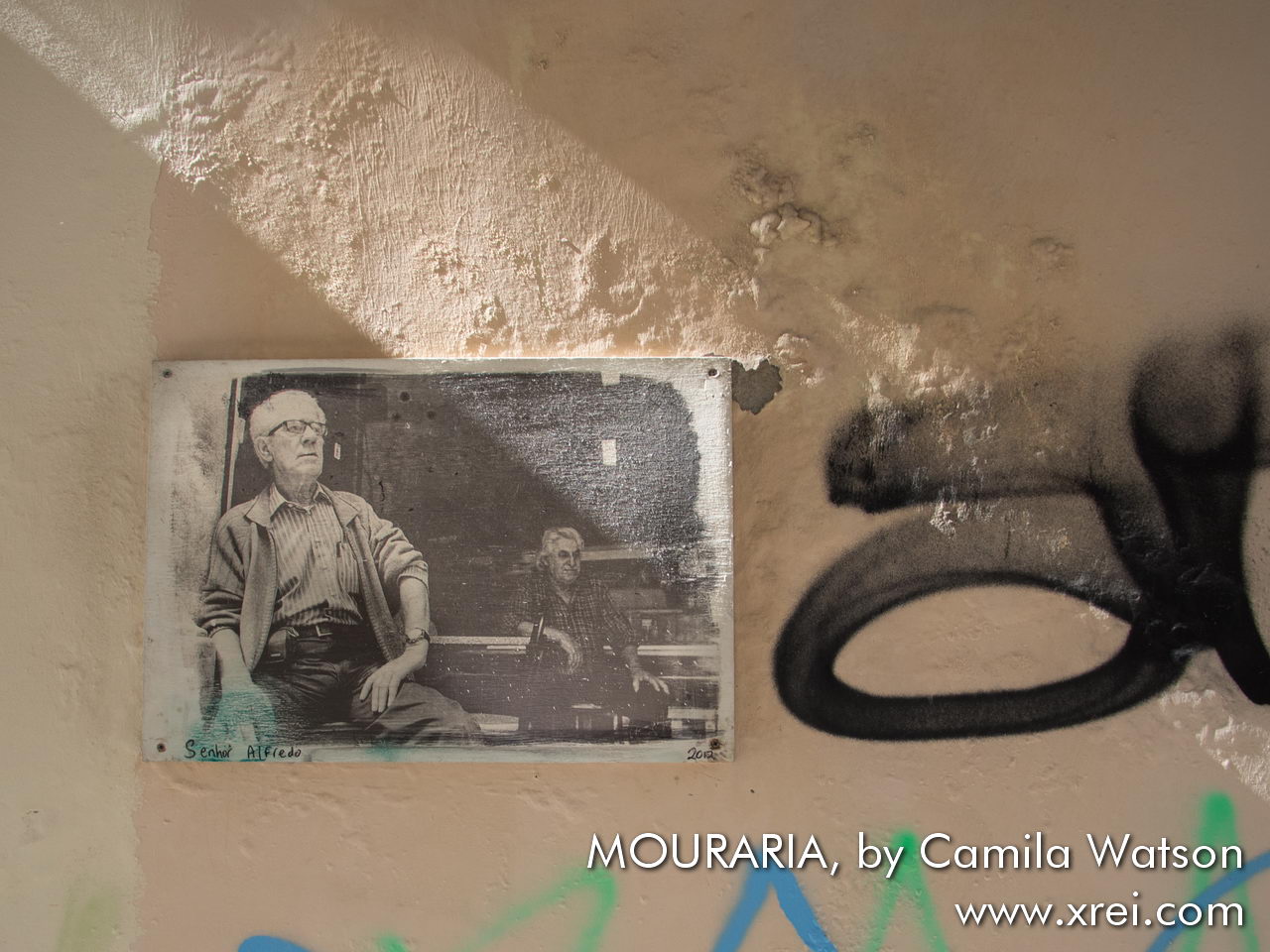
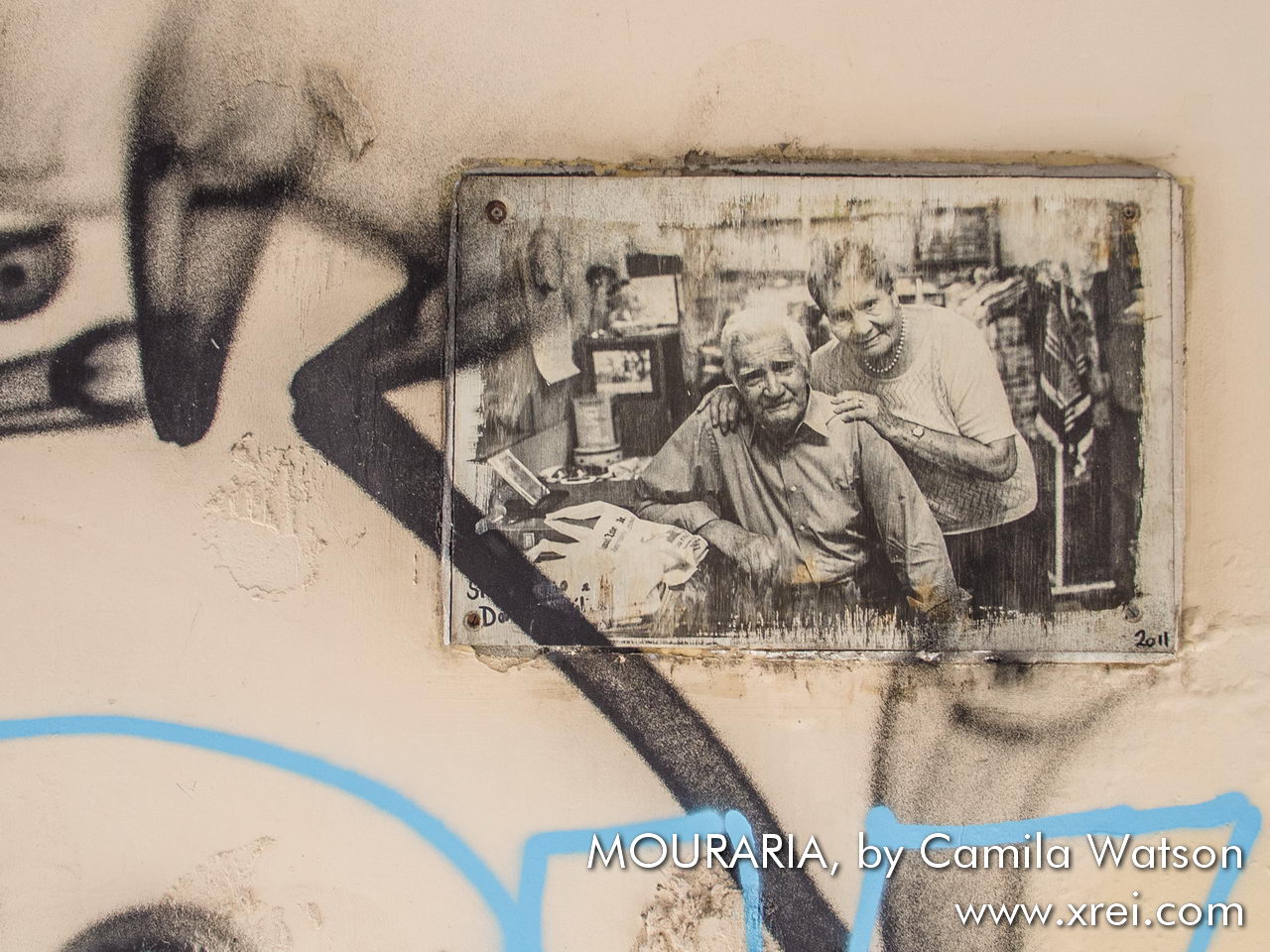
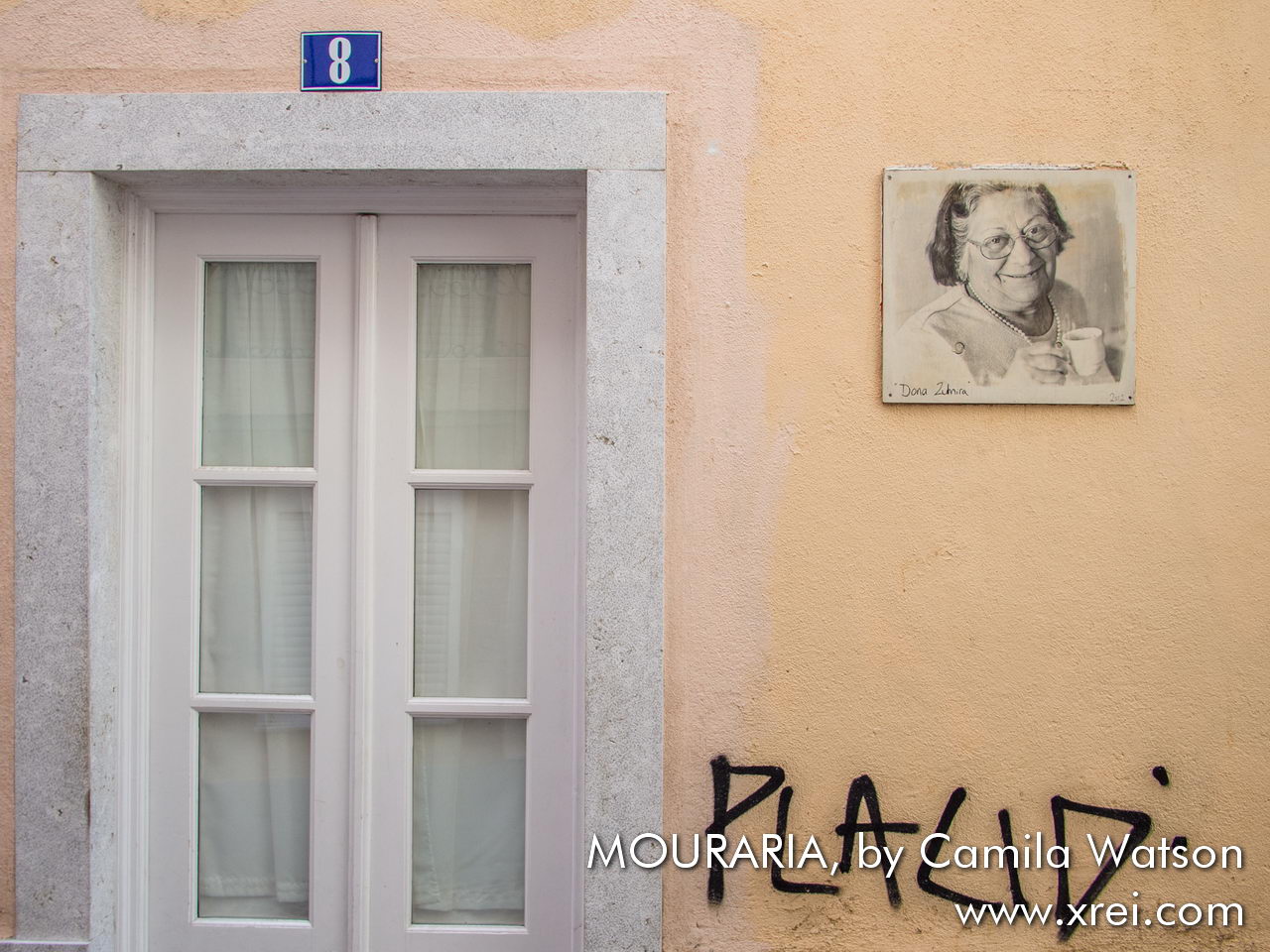
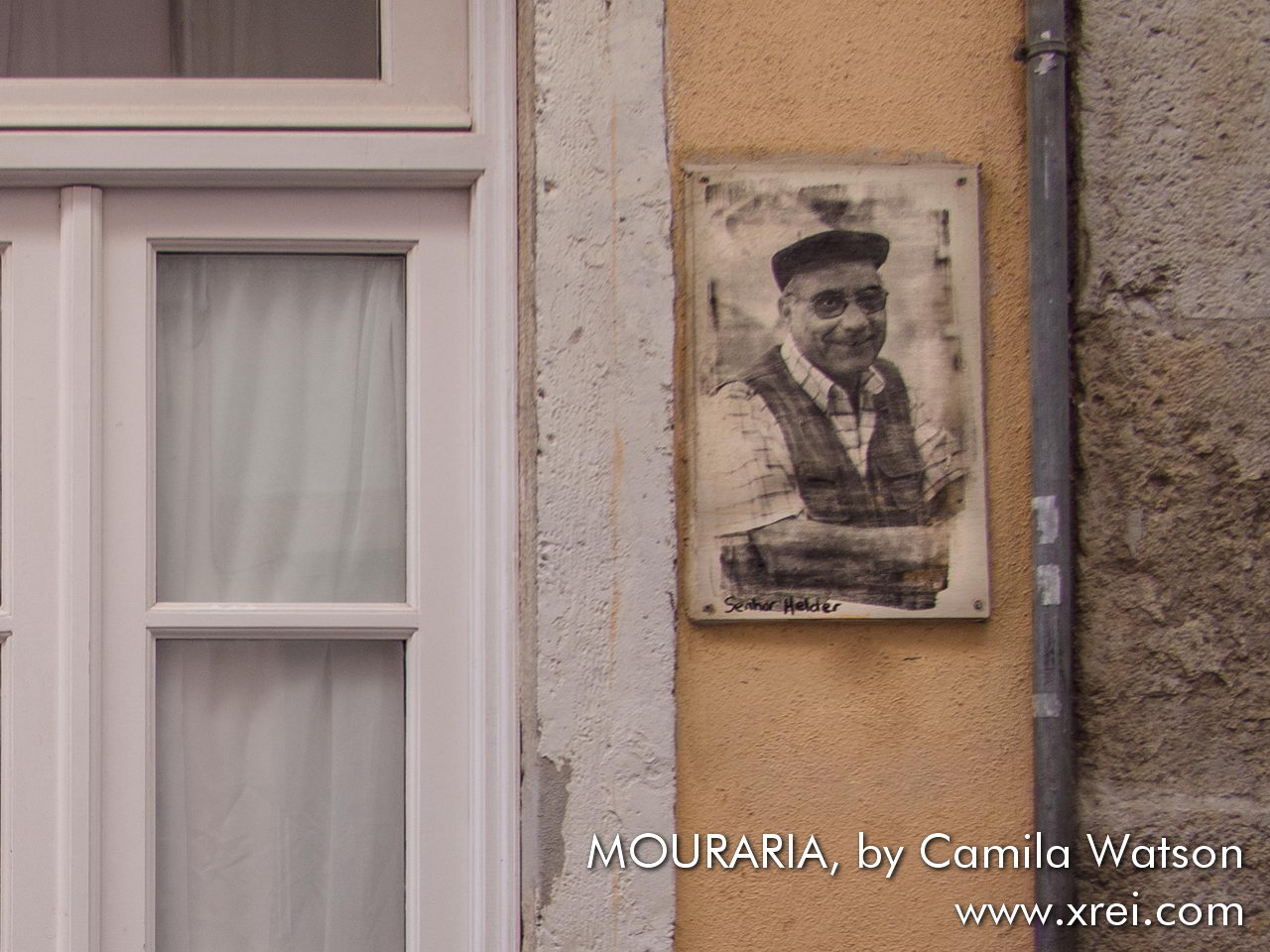
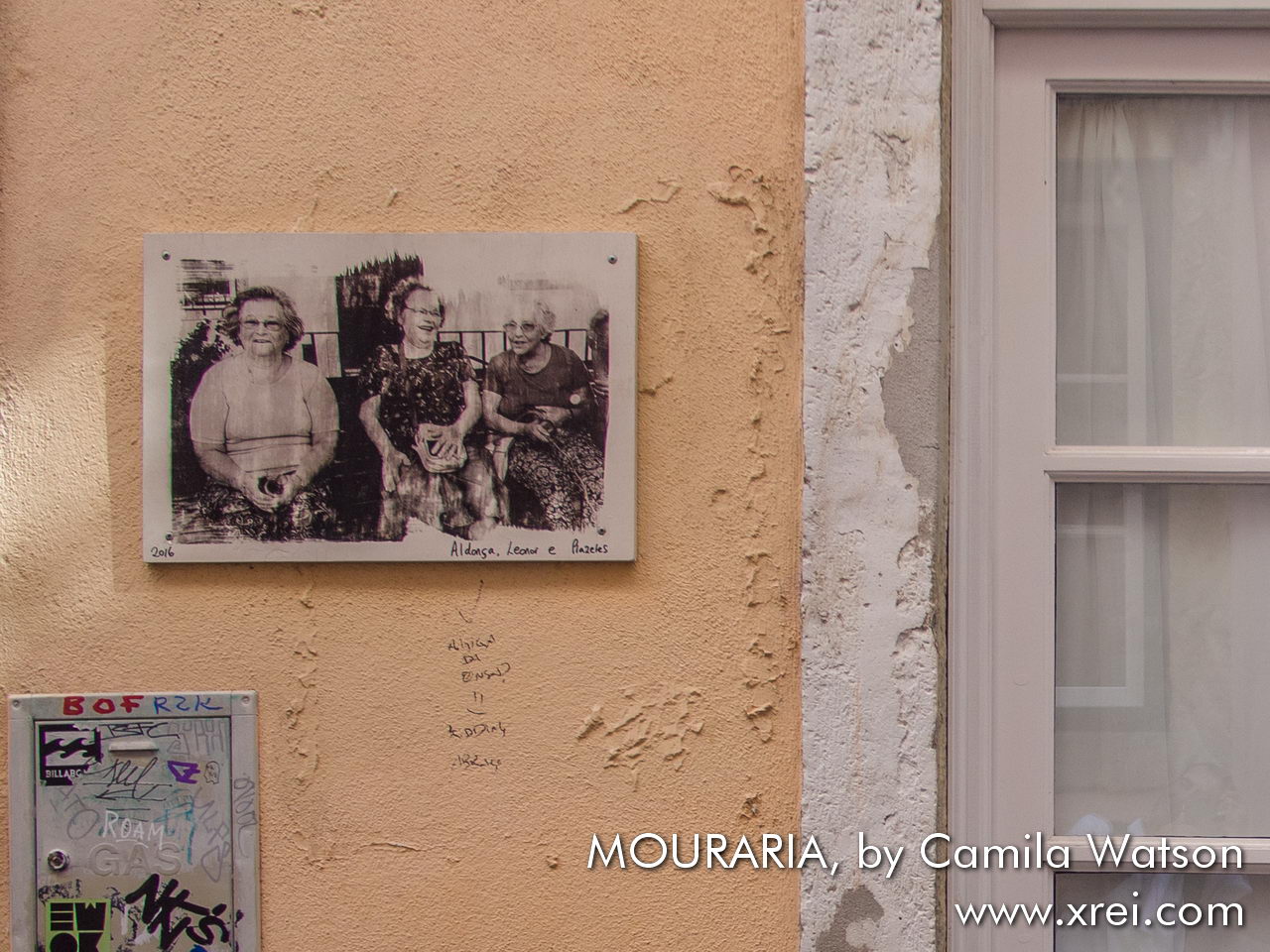
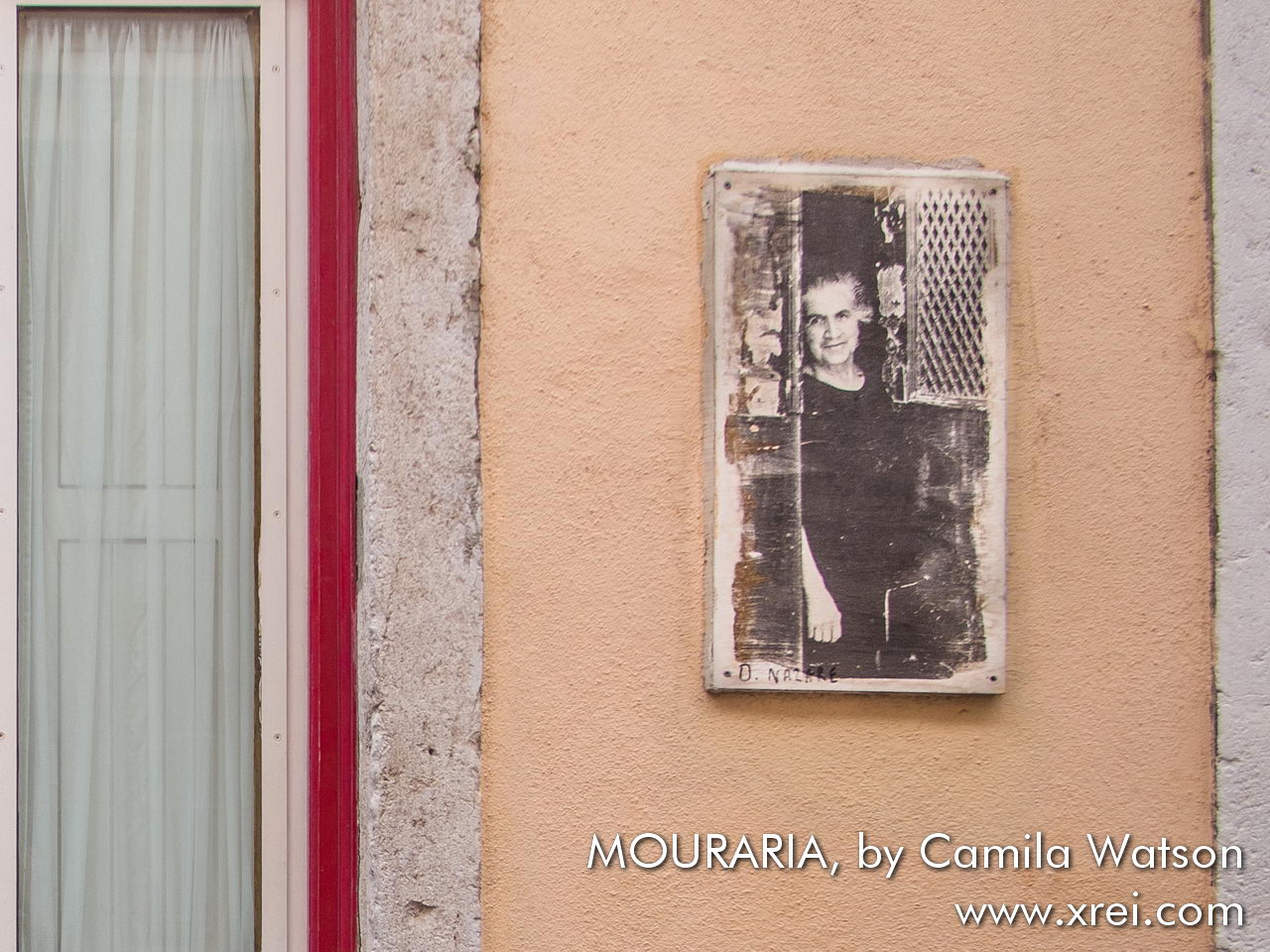
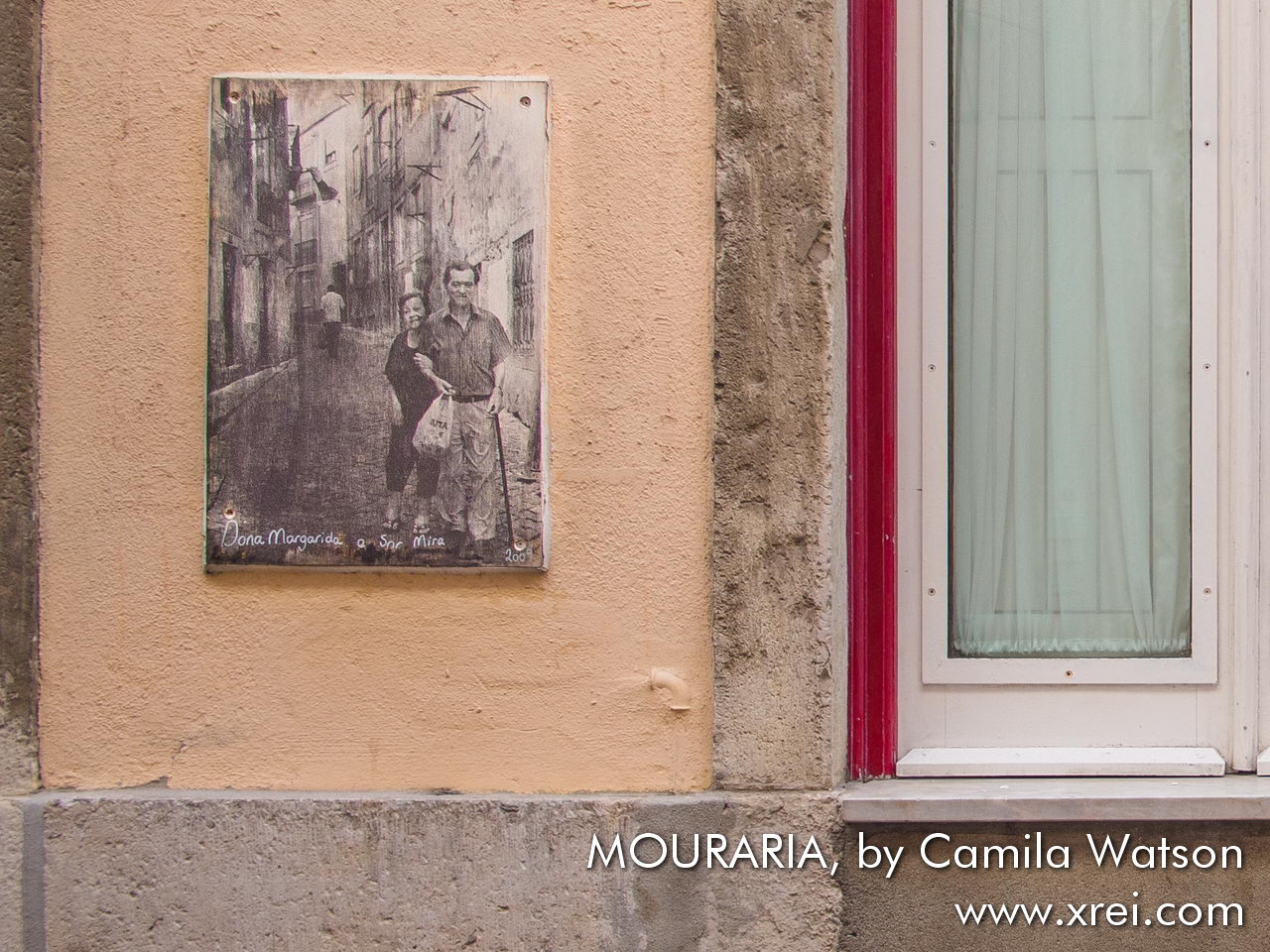
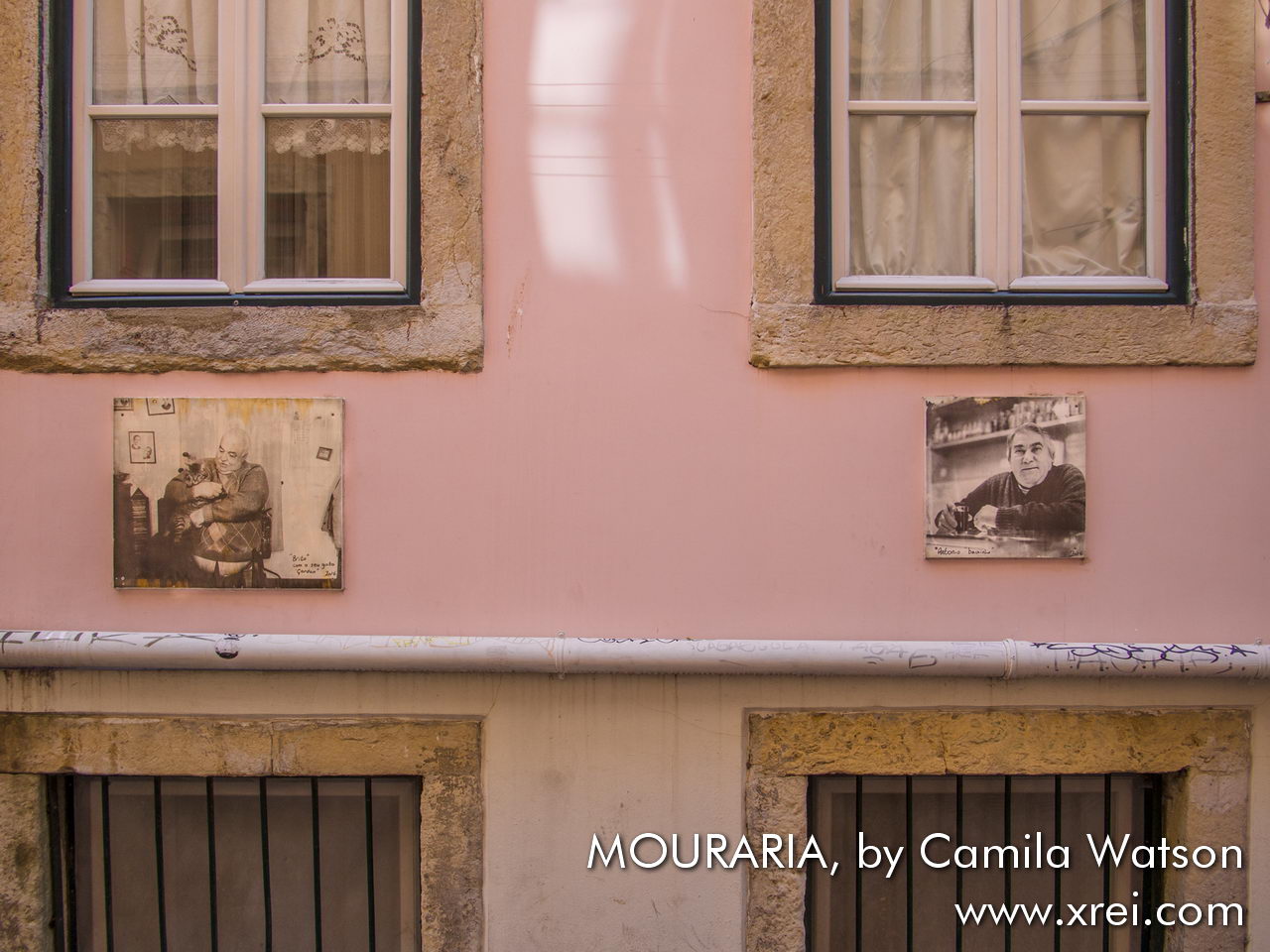
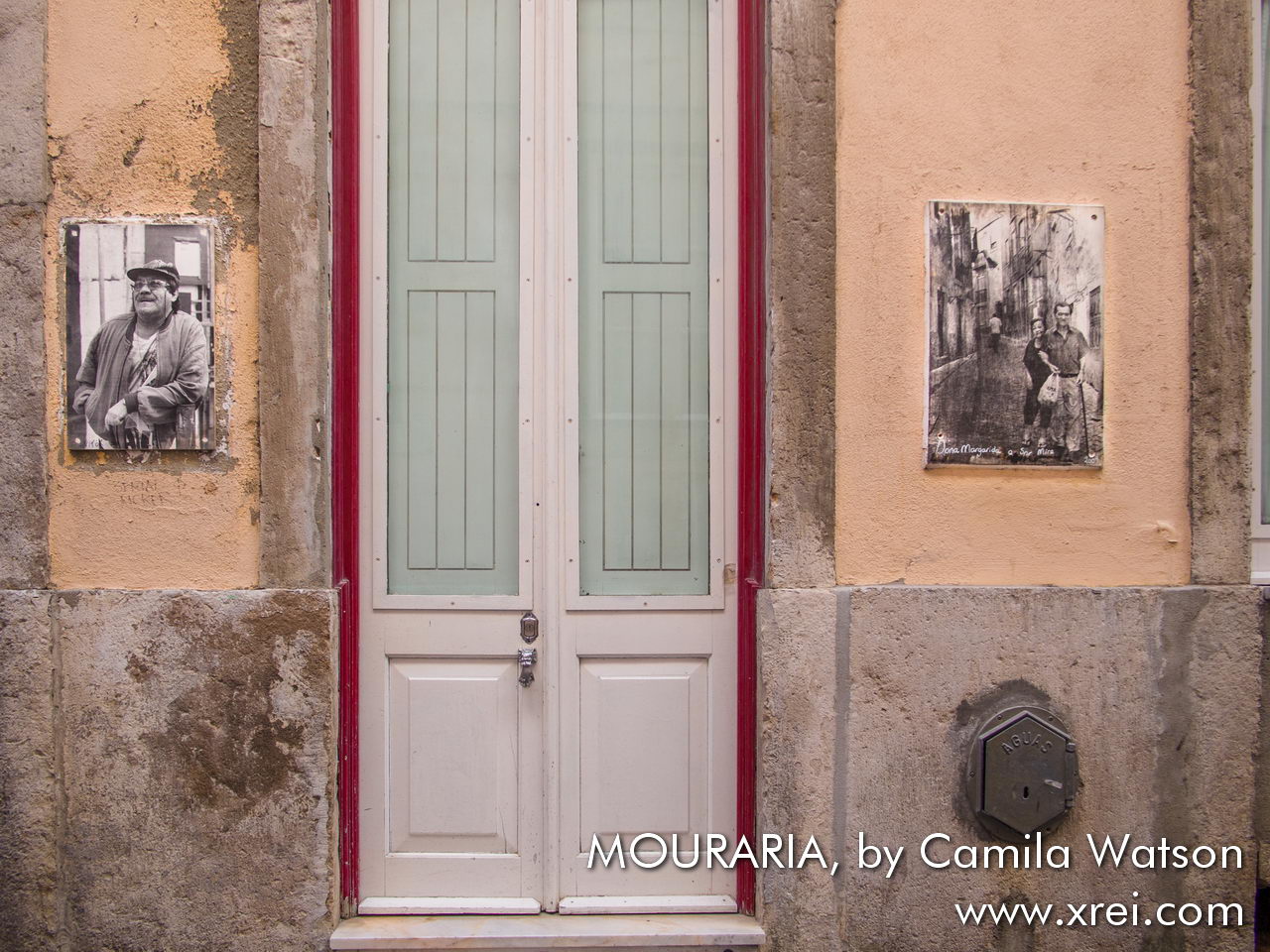
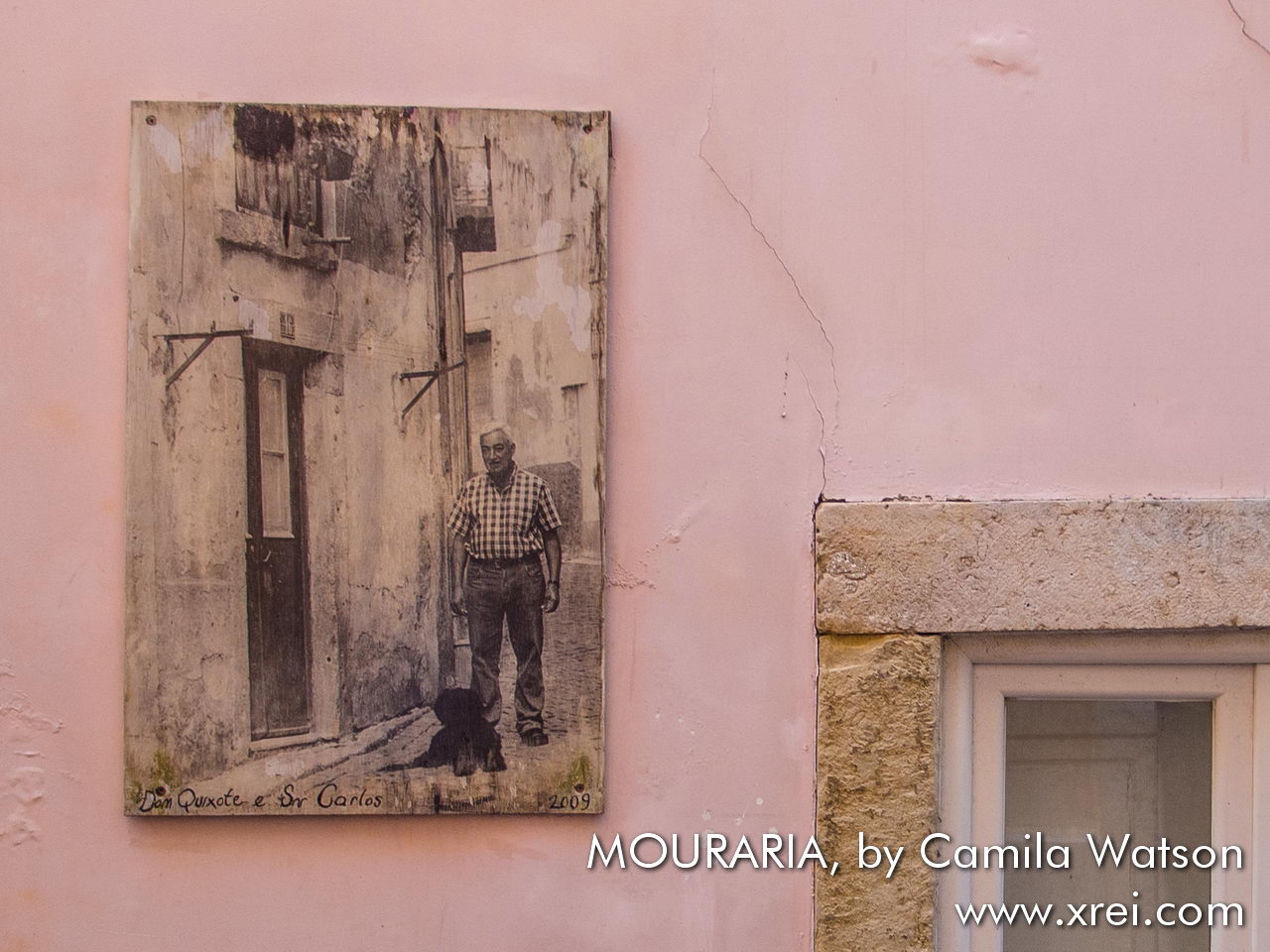
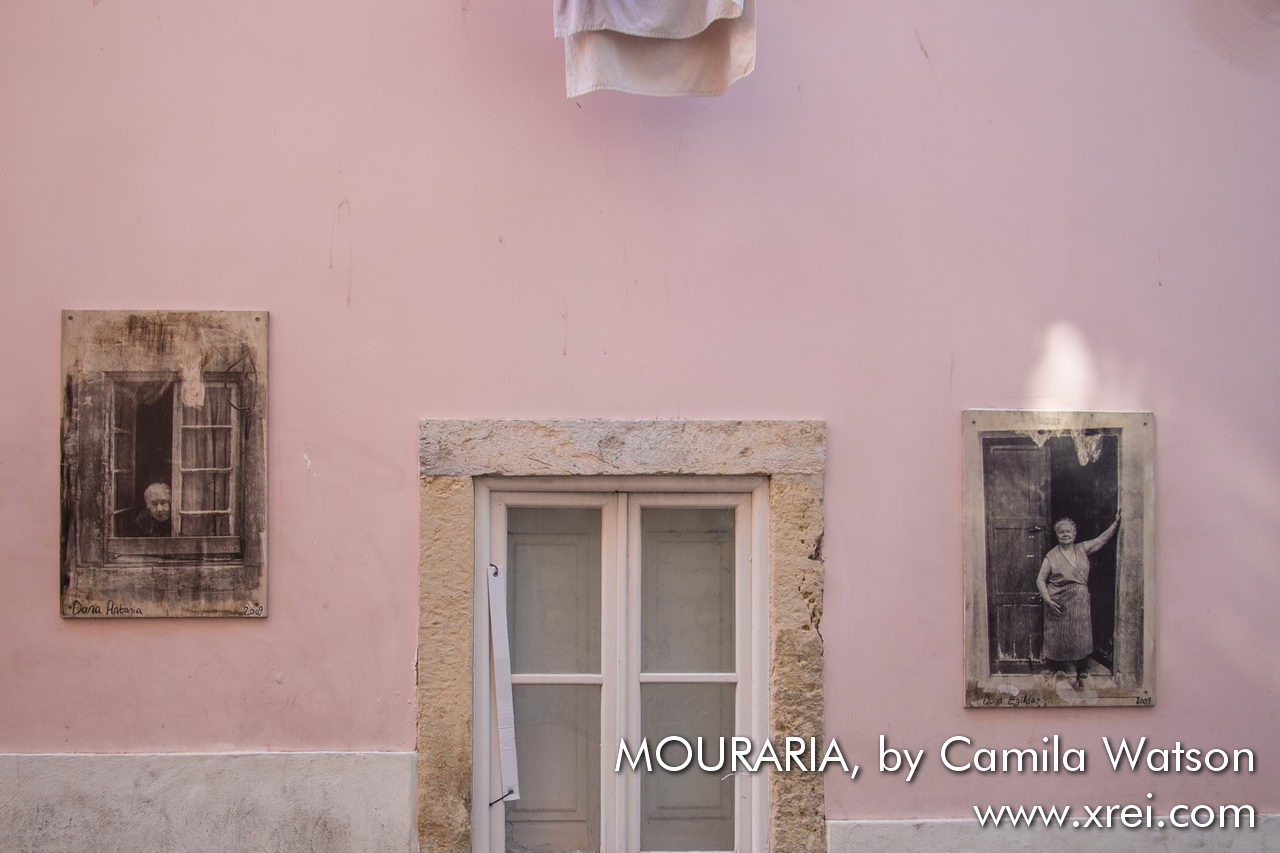
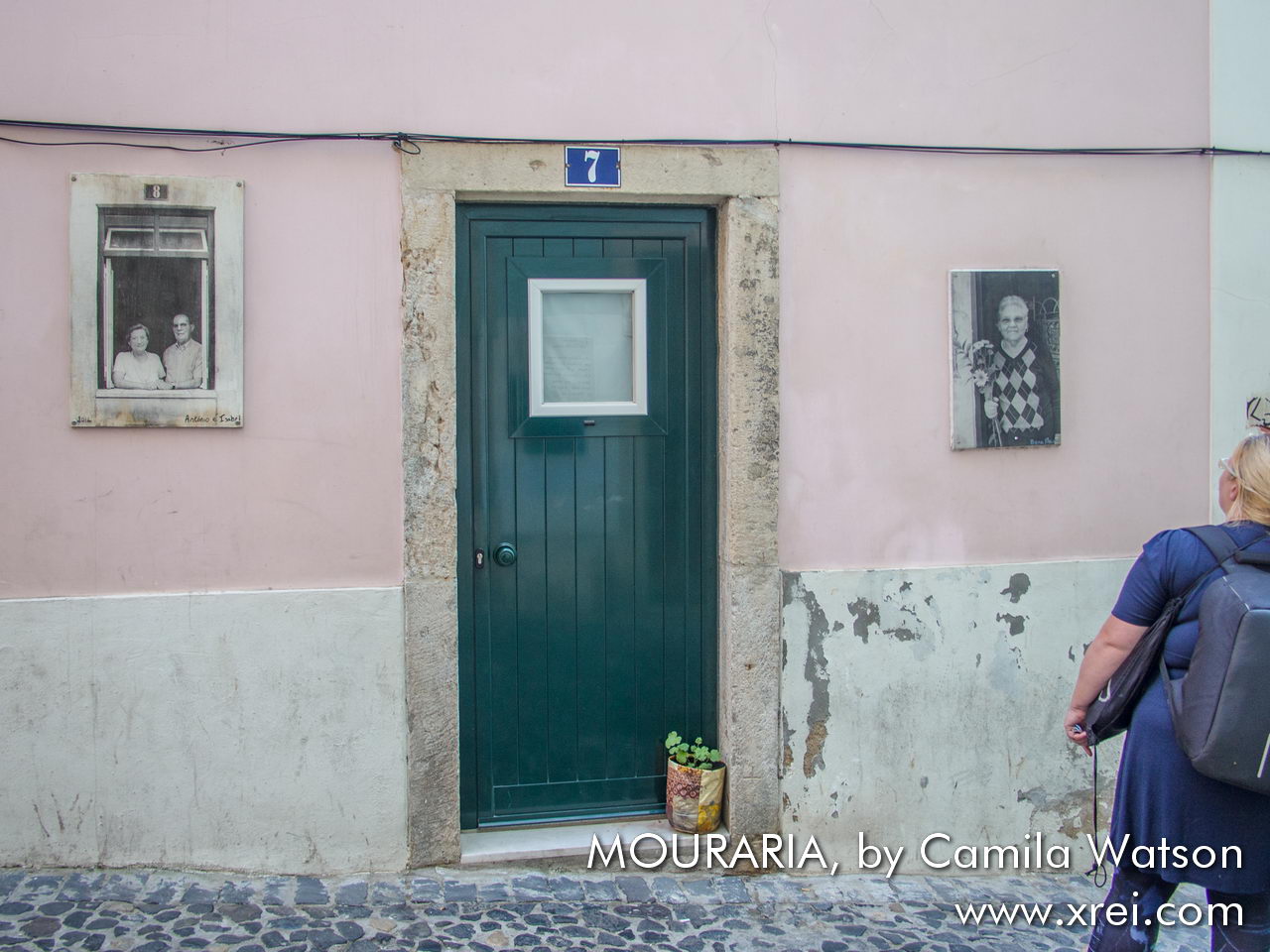
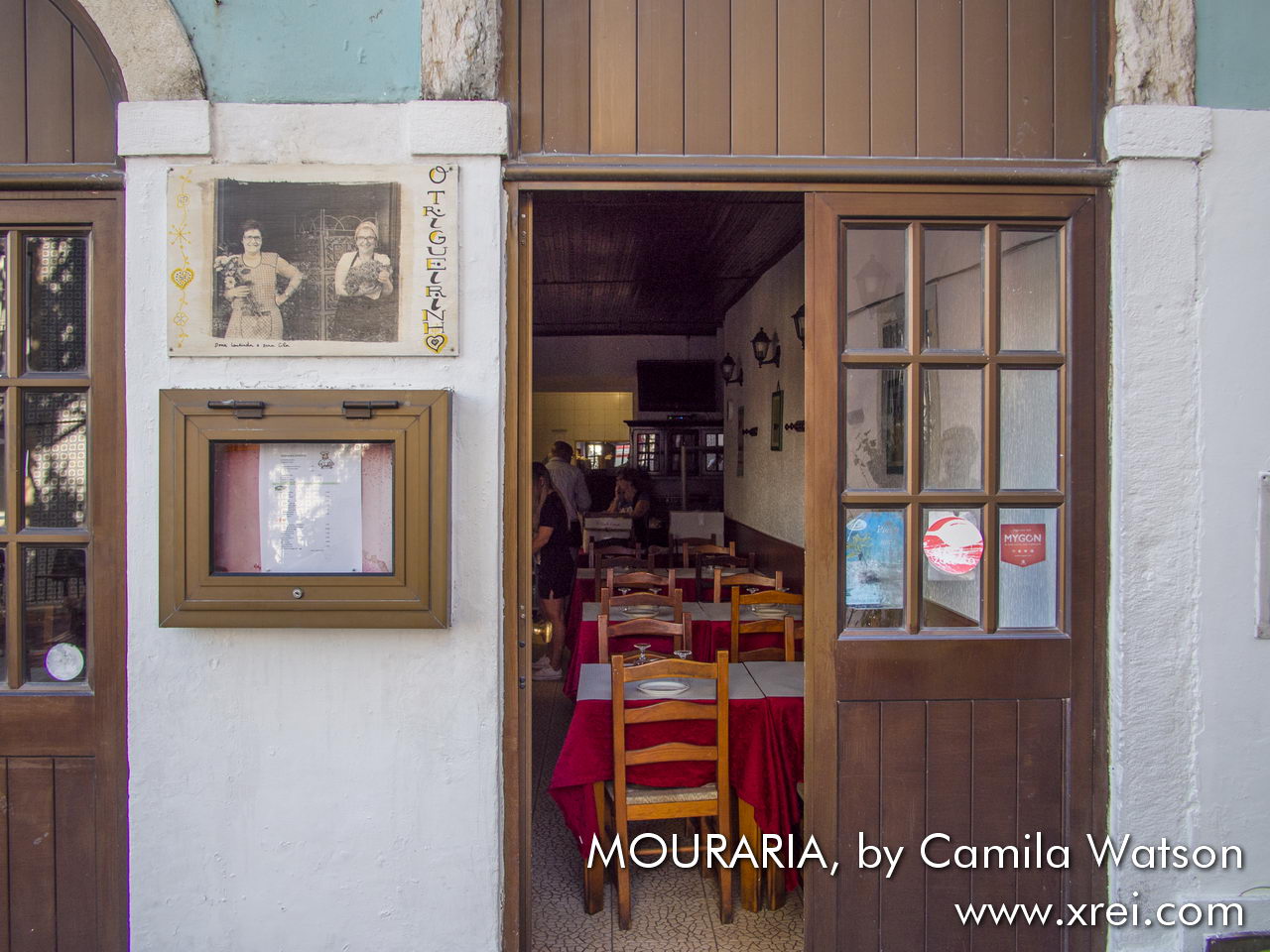
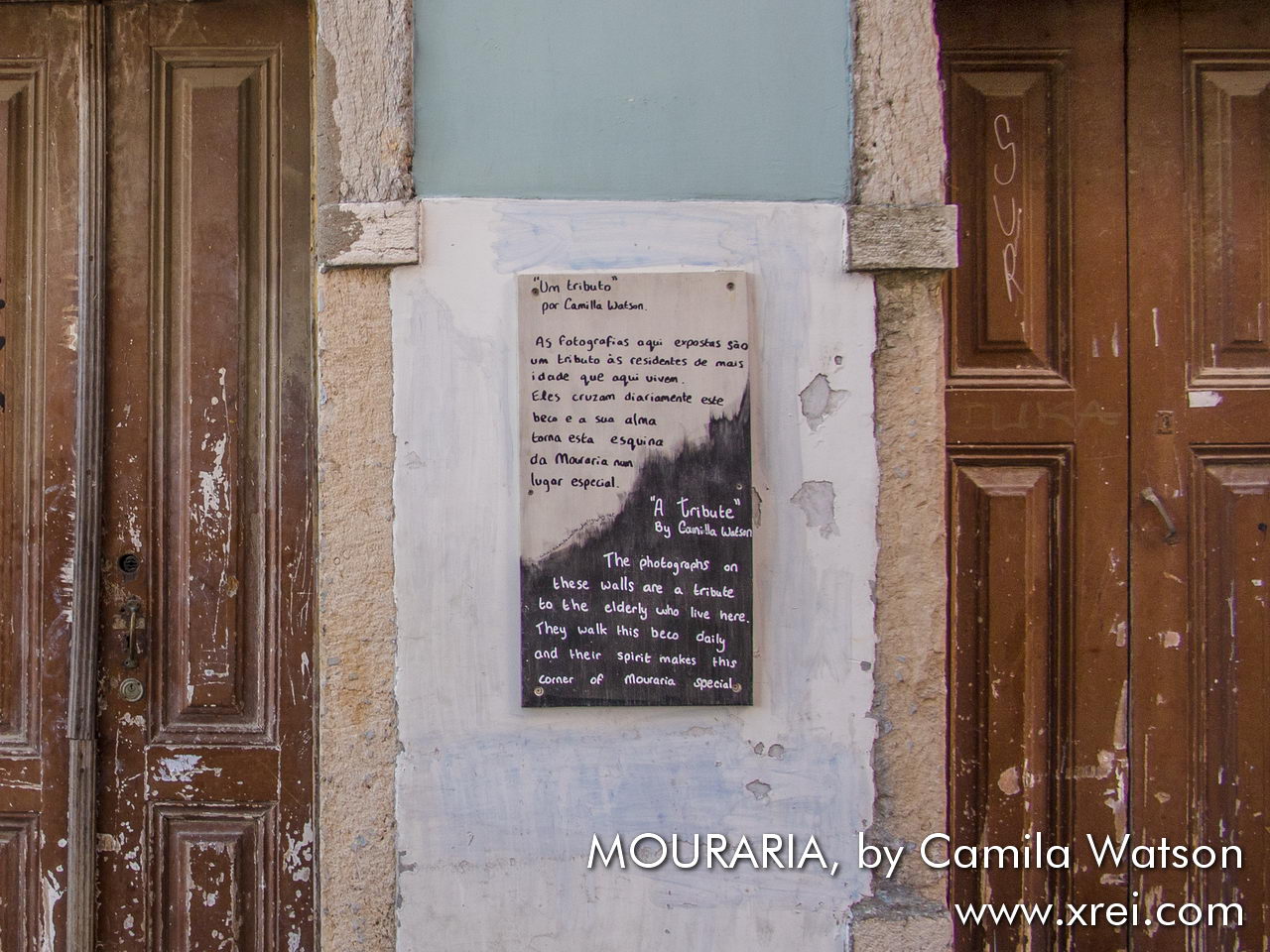
9. Centro de Inovação da Mouraria / Mouraria Creative Hub ist die erste „Inkubationsstätte für die Kultur- und Kreativwirtschaft Lissabons“, gelegen in der Rua dos Lagares. Das Innovationszentrum soll ein Unterstützungsraum für Unternehmer in verschiedenen Geschäftsbereichen sein, insbesondere in den Bereichen Gastronomie, Design, Mode, Musik oder Azulejaria, mit folgenden Sehenswürdigkeiten: ein Raum für 50 Unternehmer; die archäologische Ausstellung „Quarteirão dos Lagares: mit dem Thema von Mouraria bis Vila Nova“.
10. Cozinha Popular da Mouraria ist ein multikulturelles Projekt, das die Gastronomie nutzt, um die Einwanderer, die aus aller Welt in Mouraria leben, sozial zu integrieren. Die Cozinha Popular da Mouraria befindet sich in der Rua das Olarias. Die Hauptattraktionen konzentrieren sich auf die Aromen der asiatischen, afrikanischen oder arabischen Küche oder auf das Erlebnis, das Gericht zu kochen, das als Mahlzeit serviert wird.
Weitere Sehenswürdigkeiten in Mouraria
- Oficina Santa Rufina ist der Ort, an dem die portugiesische Künstlerin Cristina Lopes ihre Kunst ausübt, eine Spezialistin für Azulejo-Malerei. Die Oficina Santa Rufina in der Calçada Conde Penafiel ist aufgrund der von der Künstlerin geschaffenen Azulejo-Arbeiten einen Besuch wert.
- Zé da Mouraria ist das bekannteste Restaurant in Mouraria, gelegen in der Rua João do Outeiro. Zé da Mouraria wurde vom aus Minho stammenden Virgílio eröffnet und zeichnet sich durch sein gebratenes Kabeljau nach Zé da Mouraria und seine Holzkohlegrills aus.
- Zé dos Cornos ist ein Restaurant, das für sein „Tavernen“-Aussehen bekannt ist, mit traditionellen Holztischen, die in einem Gang angeordnet sind, und einer einfachen Küche, insbesondere dem Schweine-Piano (Rippchenspitze), dem gebratenen Kabeljau und den Schinken- und Käseplatten. Das Restaurant Zé dos Cornos befindet sich in der Rua dos Surradores.
- Palácio dos Távora
- Rua do Benformoso
- Associação Renovar a Mouraria
- Casa de Fados Maria da Mouraria
- Centro Comercial da Mouraria
- Cerca Fernandina von 1373/75
- Colégio dos Meninos Órfãos
- Escola de Fado da Mouraria
- Largo da Achada
- Mercado de Fusão
Hauptstraßen und Plätze des Viertels Mouraria
Praça Martim Moniz ist einer der größten Plätze Lissabons, immer belebt mit Lissabonnern, Touristen, Straßenbahnen, Tuk-Tuks, Privat- und öffentlichen Verkehrsmitteln. Der Praça Martim Moniz ist ein Durchgangsort nach Mouraria, zum Largo do Intendente und zur Baixa und bekannt für verschiedene Aspekte, insbesondere für seine Multikulturalität, als Ausgangspunkt der historischen Straßenbahnlinie 28 und für Handwerks- und Gastronomiemessen. Martim Moniz war ein Ritter von Dom Afonso Henriques, der 1147 bei der Verhinderung des Schließens eines der Stadttore Lissabons starb, was die Einnahme Lissabons ermöglichte.
Rua da Mouraria ist die wichtigste Straße des Viertels Mouraria und verbindet den Praça Martim Moniz mit der Rua do Benformoso. Die Rua da Mouraria ist ein breiter Ort, an dem man die Multikulturalität beobachten und die Gerüche des Viertels wahrnehmen kann, insbesondere durch die Präsenz verschiedener chinesischer, indischer oder nepalesischer Restaurants, guineischer oder mosambikanischer Cafés, nepalesischer oder pakistanischer Reisebüros, Halal-Fleischereien oder durch den Verkauf von Gewürzen und asiatischen Tees im Centro Comercial da Mouraria. Die Rua da Mouraria hat einige Attraktionen, insbesondere die Haltestelle der Straßenbahnlinie 28 und die Igreja de Nossa Senhora da Saúde. Mouraria hat diesen Namen, weil es der Ort war, an dem die Muslime nach der Eroberung Lissabons im Jahr 1147 lebten.
Largo da Severa ist einer der wichtigsten Plätze von Mouraria, da hier Severa Onofriana, die erste portugiesische Fado-Sängerin, lebte und starb. Das Largo da Severa verbindet die Rua do Capelão mit der Rua da Guia und beherbergt die Casa da Severa und die Casa Fernando Maurício.
Rua do Capelão ist der Geburtsort von Fernando Maurício. Die Rua do Capelão verbindet die Rua da Mouraria mit dem Largo da Severa und erhielt ihren Namen aufgrund der Präsenz eines Gebetsraumes im 16. Jahrhundert. Die Hauptattraktionen sind das Denkmal für „Mouraria - Wiege des Fado“; das Restaurant "Os Amigos da Severa"; die Casa de Fados Maria da Mouraria; und die Ausstellung der Künstlerin Camilla Watson, die sechsundzwanzig mit Mouraria verbundene Fado-Sänger porträtiert.
Touristische Einrichtungen in Mouraria
- 1908 Lisboa Hotel
- Hotel Mundial
- Inn Possible Hostel
Transport und Anbindung in Mouraria
Mouraria verfügt über folgende Transportmöglichkeiten:
- U-Bahn-Station Martim Moniz
- Straßenbahnlinie 28
- Parkhaus Martim Moniz
Lage der Gemeinde Santo António (Mouraria) auf der Karte von Lissabon