Leiria, Portugal

Leiria, Portugal

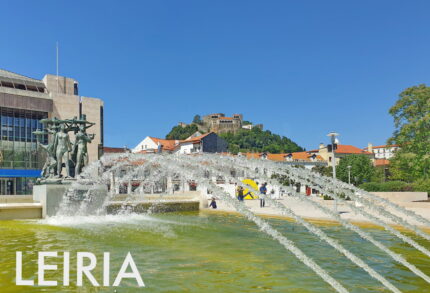
Praça Damião Goa Damão e Diu, with the illuminated fountain in the centre of the city of Leiria, the bronze sculpture alluding to the Lena and Lis rivers — the Lena being a tributary of the Lis that rises in the Serra do Daire and flows into the city of Leiria, while the Lis rises near Leiria, at the place known as Fontes in the parish of Cortes, flows through the city and discharges into the Atlantic Ocean north of Praia da Vieira de Leiria.

Leiria

Leiria is a city known for its rivers, beaches, the Pinhal de Leiria, lagoons, salt marshes, rock shelters, religious architecture, medieval structures, museums, thermal spas, folk traditions, crafts and outstanding gastronomy. Recognised for its quality of life and business growth, it is located in the centre of Portugal and is the capital of the Leiria district, where the ranges of Sicó, Aire and Candeeiros can be found alongside the Zêzere, Nabão and Lis rivers. Leiria is 146 km from Lisbon and 72 km from Coimbra. It has a coastline of more than 100 km, forming the central section of the Portuguese Silver Coast. It is in the Leiria region, at Nazaré, that the world’s largest wave is found; it is in Alcobaça that the finest apples are produced; it is in Peniche that some of the country’s best waves are surfed — a stage of the world championship — and it is in Batalha that the Mosteiro da Batalha is visited, one of the most visited attractions in Portugal. One and a half hours from both Lisbon and Porto, Leiria sits at the centre of Portugal with an excellent transport network comprising two railway lines and four motorways.

The city of Leiria

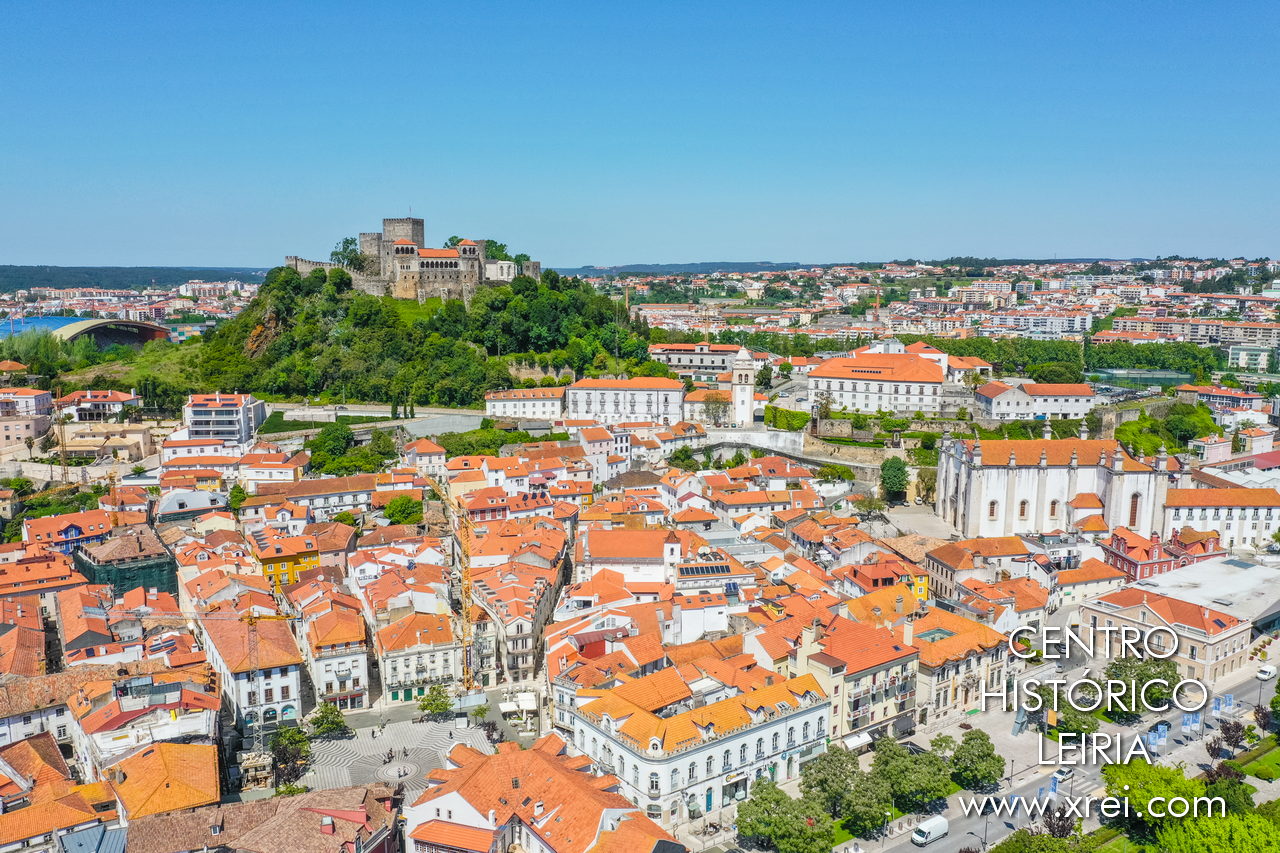
The city of Leiria can be divided into two main areas: 1. Historic Centre: this is the oldest part of the city. Here visitors can explore Praça Rodrigues Lobo — a meeting point for the people of Leiria and home to the leading global retail brands housed in historic buildings. The centrepiece is the Garage building, an example of early 20th-century Art Nouveau. The historic centre also features Praça Cónego Maia, with the Palácio Episcopal building housing the Spanish brand Zara; the Ateneu de Leiria, built in the late 19th century; and the Zúquets building, also erected in the late 19th century, home to several of the city’s restaurants, shops and cafés. Also in the Historic Centre is Praça de Sant’Ana — the busiest area of the city — where the Mercado de Sant’Ana operates as a lively cultural hub throughout the year.

Historic centre of the city of Leiria, with Praça Rodrigues Lobo, the historic buildings surrounding it, the cathedral of Leiria on the right, the municipal stadium of Leiria in the background to the left, and the castle at the top of the image

2. Lis riverside area: this is the ideal location for cycling and walking routes. On the right bank of the Lis river are two museums: the Museu de Leiria and the Museu do Moinho de Papel — two of the city’s foremost heritage landmarks. On the left bank of the Lis are the Museu Municipal de Leiria and the Convento de Santo Agostinho.

The Lis riverside area in Leiria, with the river flowing between vegetation, natural stone cascades and spaces for sport and walking. The atmosphere here is outstanding, with the sound of the river and the surrounding trees.

Attractions to visit in Leiria (TOP 10)

Jardim Luís de Camões

Jardim Luís de Camões beside the Lis river in Leiria, with the statue of the Pastor Peregrino with his sheep.

Jardim Luís de Camões: a park with garden areas in the city centre, home to the city’s parish church, and from which visitors can admire the imposing Castelo de Leiria at the top of the hill and the presence of the Lis river — a watercourse that has played and continues to play a fundamental role in the city’s growth.

Castelo de Leiria

Castelo de Leiria, occupying a commanding position above the city

Castelo de Leiria: an imposing castle built at the city’s highest point with the aim of defending the settlement from Muslim attacks. Construction of the Castelo de Leiria was ordered when the city was conquered by Dom Afonso Henriques in 1135. The castle was attacked several times during the 12th century, notably in 1137, 1140 and 1144. The most aggressive attack came in 1140, resulting in the deaths of 20 knights and the capture of Dom Paio Guterres (first Alcaide of Leiria). The Castelo de Leiria served as the residence of many kings and queens, including Dom Afonso III, Dom Dinis, Dom Afonso IV, Dom Pedro I and Dom Fernando. The castle fell into decline from the 18th century when the local population began removing stones to build their homes. This continued until the 20th century, when architects Ernesto Korrodi and Tito de Sousa Larcher reconstructed several sections. The main highlights of the castle are: the Portas de Albacara; the Casa da Guarda; the Porta da Buraqueira; the Igreja de Santa Isabel da Pena; the ruins of the Colegiada; the Paços Novos; the Torre de Menagem; the Porta da Traição; and the cisterns.

Sé Catedral de Nossa Senhora da Imaculada Conceição, Leiria

Sé Catedral de Leiria, Nossa Senhora da Imaculada Conceição, with Joanine architecture built in the 16th century

Sé Catedral de Nossa Senhora da Imaculada Conceição, Leiria: built in the 16th century, it follows the same model as two other cathedrals in the country — the Sé de Portalegre and the Sé de Miranda do Douro — considered Joanine Cathedrals, built during the reign of Dom João III. The Sé de Leiria was built in the Mannerist style and is currently one of the finest examples of a hall church in Portugal, alongside the Mosteiro de Alcobaça and the Mosteiro dos Jerónimos. The Sé de Leiria was partially destroyed during the 1755 earthquake and during the French Invasions of 1807–1811. The main highlights are an altarpiece with a painting by Simão Rodrigues depicting episodes from the life of the Virgin Mary, the two Baroque-style organs, the bell tower of 1772 bearing the coat of arms of the Bishop of Leiria Dom Miguel de Bulhões e Sousa, and the side chapels dedicated to the Blessed Sacrament and to Nossa Senhora das Dores.

Museu de Leiria

Museu de Leiria and the Convento de Santo Agostinho (under renovation)

Museu de Leiria: a museum housed in the Convento de Santo Agostinho, covering the history of the city and the Leiria region from Prehistory, with thematic exhibitions. The museum was inaugurated on 15 November 2015 with the aim of promoting the history and identity of the city of Leiria.

Moinho de Papel

Moinho de Papel depicted in a hand-painted tile panel

Moinho de Papel: Portugal’s first paper mill, built in 1411. The mill was renovated by architect Álvaro Siza Vieira with the aim of preserving and promoting the ancient methods of grain milling, papermaking and olive oil production. The mill museum includes educational workshops, exhibition rooms and spaces for conferences and meetings.

The wheel of the Moinho de Papel with the Lis river

Museu do Vidro

Museu do Vidro: a permanent exhibition featuring collections documenting Portuguese glassmaking activity from the 17th century to the present day — the only museum in Portugal dedicated to the study of the art, craft and industry of glassmaking.

Museu de Imagem e Movimento — MIMO

Museu de Imagem e Movimento — MIMO: the museum was created in 1996, the centenary year of cinema in Portugal, with the aim of promoting and preserving all forms of content related to photography and cinema. The museum traces the historical evolution of cinematography through the ages.

Santuário de Nossa Senhora da Encarnação

Santuário de Nossa Senhora da Encarnação: a chapel classified by IPPAR in 1982 as a Property of Public Interest, built in 1588 in the Mannerist style, notable for the arches of the main façade, the staircase of 162 steps, and the original 17th-century tiles with themes dedicated to Saint Gabriel and the Virgin.

Santuário de Nossa Senhora dos Milagres

Santuário de Nossa Senhora dos Milagres: a church built in 1750 following a reputed miracle of Senhor Jesus. It is an imposing Baroque-style church with two bell towers, a chancel, and tile panels of 1795 by Silva e Sousa.

Teatro José Lúcio da Silva

Teatro José Lúcio da Silva: a theatre open to the public with a capacity of 763 seats, hosting performances of music, dance and cinema. The theatre was inaugurated on 15 January 1966 in the presence of the President of the Republic, Admiral Américo Tomás.

Attractions to visit in the Leiria region

Bacalhôa Buda Eden

Bacalhôa Buda Eden, at Quinta dos Loridos — an open-air art garden with Asian sculptures, giant Buddha figures and lakes.

Bacalhôa Buda Eden: a garden set within a themed park at Quinta dos Loridos, covering 35 hectares and home to the largest oriental garden in Europe, decorated with approximately 600 hand-painted terracotta soldiers, large-scale Buddha statues, pagodas, various sculptures set among the vegetation, a central lake with KOI carp and sculpted dragons. Buda Eden features thematic spaces with a selection of modern art by various artists from the Berardo collection, and a space dedicated to African sculpture by the Shona people of Zimbabwe. Bacalhôa Buda Eden offers wine tastings at the old winery in the solar garden or at the Bacalhôa wine shop. Buda Eden is known as the Garden of Peace, the Garden of Buddhas, the Garden of Eden, the Buddha Eden Garden and the Garden of Bombarral. It is the most visited and most beloved attraction in the Leiria region, with free entry for children up to 12 years of age.

Castelo de Óbidos

The village of Óbidos, situated within the walls of the Castelo de Óbidos, in Portugal

Castelo de Óbidos: a historic 12th-century castle within whose walls the village of Óbidos is found, with a wall walk of 1,565 metres, situated in Óbidos at 79 metres above sea level, declared a National Monument in 1910. The castle is divided between the keep area — where the current Pousada do Castelo de Óbidos is located — and the village of Óbidos inside the walls: a neighbourhood of colourful houses, narrow winding streets, flower-filled doorstep planters, low-rise buildings, tiled windows and small local shops where the famous alcoholic liqueur “Ginjinha de Óbidos” can be tasted. Access to the interior of the walls is through four gates and two posterns, with the main entrance being the Porta da Vila or Porta de Nossa Senhora da Piedade — an entrance with 18th-century tiled ceilings leading out onto Rua Direita, the main street of the village of Óbidos. The Castelo de Óbidos was declared in 2007 “the second of the seven most significant monuments of Portuguese architectural heritage” in the Seven Wonders of Portugal competition, and UNESCO recognised Óbidos as a City of Literature in 2015.

Mosteiro da Batalha

Mosteiro da Batalha, national pantheon, UNESCO World Heritage Site, with the equestrian statue of Constable Dom Nuno Álvares Pereira, considered one of Portugal's greatest warriors
Mosteiro da Batalha, national pantheon, UNESCO World Heritage Site, with the equestrian statue of Constable Dom Nuno Álvares Pereira, considered one of Portugal’s greatest warriors

Mosteiro da Batalha: also known as the Mosteiro de Santa Maria da Vitória, this is a Dominican monastery in the Manueline style, classified as a National Monument since 1910, a UNESCO World Heritage Site, elected one of the Seven Wonders of Portugal in 2007 and granted National Pantheon status since 2016. The monastery was built over two centuries up to the 16th century, during the reigns of seven Portuguese kings, having been initiated by King Dom João I in the 14th century as an act of thanksgiving to the Virgin Mary for the victory over the Castilian rivals at the Battle of Aljubarrota. Today the Mosteiro da Batalha serves as a Museum and National Pantheon.

Mosteiro de Alcobaça

The city of Alcobaça, with the Mosteiro de Alcobaça seen from the ruins of the Castelo de Alcobaça

Mosteiro de Alcobaça: also known as the Real Mosteiro de Santa Maria de Alcobaça, this is a 12th-century monastery in the Gothic, Manueline, Mannerist and Baroque styles, classified as a UNESCO World Heritage Site, as a National Monument since 1910, and elected one of the Seven Wonders of Portugal in 2007. It is the defining landmark of the town of Alcobaça and one of the most important monuments of the Cistercian Order in all of Europe.

Miradouro do Suberco

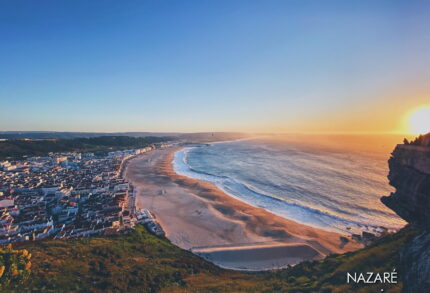
Miradouro do Suberco with a view over the beach at Nazaré and the port of Nazaré in the background

Miradouro do Suberco: a viewpoint situated near the Sítio da Nazaré, at the Forte de São Miguel Arcanjo — a fort built in the 16th-century Mannerist style, also known as the Forte do Morro da Nazaré — where a small museum operates with information on historical topics, the geological nature of the Nazaré canyon, and ongoing research and development. From the viewpoint visitors can take in views of the village and beach of Nazaré, the Farol da Nazaré, the giant waves and the seemingly endless expanse of the Praia do Norte at Nazaré. It is a place of remarkable energy that can only be fully appreciated in person.

Praia da Nazaré

Praia da Nazaré: the sandy beach found in front of the village of Nazaré. During the bathing season, Praia da Nazaré takes on a distinctively colourful character owing to the traditional canvas tents set up on the beach for hire by summer visitors.

Farol da Nazaré

The Promontório da Nazaré, with the Forte de São Miguel Arcanjo, the Farol da Nazaré, and the Praia do Norte to the left

Farol da Nazaré: one of Portugal’s lighthouses classified as a Property of Public Interest, located at the Forte de São Miguel Arcanjo, greatly admired for its position facing the Sítio da Nazaré, near the Miradouro do Suberco and the Praia do Norte da Nazaré where giant wave surfing takes place.

Parque Natural das Serras de Aire e Candeeiros

Miradouro Jurássico in the Serra de Aire e Candeeiros, with a panoramic view of more than 27 km in a straight line to the sea

Parque Natural das Serras de Aire e Candeeiros: a natural park with a limestone rock landscape and the largest underground freshwater reservoir in Portugal, fed by rainwater through underground streams, extending from Rio Maior to Porto de Mós. Here more than one thousand five hundred caves, algars (vertical caverns naturally carved into limestone by water erosion), lapiás fields (karst relief formations characterised by rock dissolution), dolines (some with lagoons), uvalas and poljes can be found — in other words, rock formations shaped by erosion into caves, caverns, lakes and other spectacular geological features. The Parque Natural das Serras de Aire e Candeeiros is home to the caves of Mira de Aire — a well-known geological attraction in Portugal — and to the Olhos de Água do Alviela springs, which have supplied Lisbon with water since 1880. The park is also a prime birdwatching location, as well as a habitat for bats, rare mammals, reptiles, amphibians, insects and more than 300 species of butterfly. Here too is the Monumento Natural das Pegadas de Dinossauros da Serra de Aire — an area of approximately 20 hectares classified as a Natural Monument, discovered in 1994, featuring traces of sauropods (one of the two major groups of large-bodied dinosaurs, characterised by long necks ending in small heads and very long tails). Among the 20 known trackways here are some of the largest, oldest and most clearly defined in the world, estimated at 175 million years old.

Parque Dom Carlos I

Parque Dom Carlos I: a much-visited Romantic garden with a pleasantly natural atmosphere, created by kings, queens and nobles. It occupies a wooded space in Caldas da Rainha that was formerly vineyard and olive grove land, later serving as grounds for a thermal hospital where patients could walk and convalesce. Today it is a large landscaped and wooded park with centuries-old trees, a lake with rowing boats, decorative tiled fountains, a restaurant-bar with terrace, picnic area, tennis court and the Museu de Arte José Malhoa — with collections of painting, sculpture, medallions, drawing and ceramics from the 19th and 20th centuries, comprising works by 251 artists.

Reserva Natural das Berlengas

Reserva Natural das Berlengas: an archipelago classified as a UNESCO World Biosphere Reserve since 2011, comprising the island of Berlenga Grande — 1.5 km long by 0.8 km wide — where visitors can see the Farol Duque de Bragança, built in 1841 and standing 29 metres tall with a light visible up to 50 km away in clear atmospheric conditions, the Forte de São João Baptista das Berlengas, the Praia do Carreiro do Mosteiro, restaurants and a campsite; the Estrelas islets; and the Farilhões islets; situated off the city of Peniche, 5.7 nautical miles west of Cabo Carvoeiro. This was Portugal’s first protected area, in 1465, when King Afonso V of Portugal prohibited hunting on the main island. Today the Berlengas archipelago is considered one of the best diving locations in Portugal for observing marine life, and a key reference point for seabird observation.

Praia de Paredes da Vitória

Praia de Paredes da Vitória: a beach with more than 2 kilometres of idyllic natural landscape, situated in front of the small settlement of Paredes de Vitória on the northern coast of the municipality of Alcobaça, with an extensive sandy beach facing a limestone cliff covered in vegetation, bathed by the Atlantic Ocean with consistently good conditions for surfing and other water activities. Praia de Paredes da Vitória is located 11 kilometres as the crow flies north of Praia do Norte in Nazaré.

Praça-forte de Peniche

Praça-forte de Peniche: a citadel steeped in history, of great importance to the defence of Portugal since the Middle Ages. The fort is situated on the southern slope of the Peniche peninsula, where the Museu da Resistência e da Liberdade — also known as the Museu da Cidade — can be visited, with exhibitions related to underwater and terrestrial archaeology of the Peniche region, a significant collection of Roman ceramics, themes related to bobbin lace (a regional craft), fishing and shipbuilding arts, objects recovered from the wreck of the galleon San Pedro de Alcántara at Papôa de Peniche, and other subjects.

Grutas da Moeda

Grutas da Moeda: limestone caves with a visitable length of 350 metres, reaching a depth of 45 metres, located near Cova da Iria in the city of Fátima, featuring a wide variety of clay materials and calcites.

Farol do Cabo Carvoeiro

Farol do Cabo Carvoeiro: a square-plan lighthouse open to the public every Wednesday from 14:00 to 17:00, one of the oldest lighthouses on the Portuguese coast — in operation since 1790 — situated on the Peniche peninsula at an altitude of 57 metres above sea level, standing 27 metres tall with a range of 15 nautical miles in clear atmospheric conditions.

Praia do Pedrogão

Praia do Pedrogão: a traditional fishing beach in the parish of Coimbrão, with an extensive sandy beach flanked by dunes vegetated with sea thistle, facing the small settlement of Pedrogão where a seafront promenade with restaurants and terraces can be found. The beach is bounded to the south by a shale rock formation, but extends northwards across a wild 15 km stretch of beach and vegetated dunes to Praia de Leirosa, in the municipality of Figueira da Foz.

Fragas de São Simão

Fragas de São Simão: the location of the village of Casal de São Simão, one of the 27 Schist Villages of Portugal, and the São Simão route — a wooden boardwalk along the banks of the Ribeira de Alge, where a freshwater river beach with clear water can be found in a wild and agricultural landscape of hilltops and valleys, vegetation and rock, linking the Miradouro das Fragas de São Simão to the village of Casal de São Simão. The village of Casal de São Simão is a traditional settlement of stone houses built side by side along a single street, where the Ermida de São Simão can be visited — dating from 1458 and one of the oldest places of worship in Figueiró dos Vinhos.

Praia da Consolação

Praia da Consolação: a beach that attracts thousands of visitors owing to the therapeutic properties attributed to the iodine that accumulates in the southern inlet, which local tradition holds to be effective in the treatment of spinal conditions. The beach is divided at its midpoint by the Forte da Praia da Consolação, built in 1641 to reinforce the defences of Peniche, classified as a National Monument since 1978, where a museum dedicated to the geological and military heritage of the Peniche region can be visited. North of the fort, the beach extends for a further 2 kilometres towards Peniche, passing by Praia de Supertubos — venue for a stage of the World Surf Championship.

Mariparque — Praia da Vieira

Mariparque — Praia da Vieira: a water park located at Praia da Vieira, open during the bathing season, near a hotel zone, featuring slides, chutes, spiral runs and a variety of outdoor pools, as well as action activities and continuous entertainment for adults and children.

Castelo de Porto de Mós

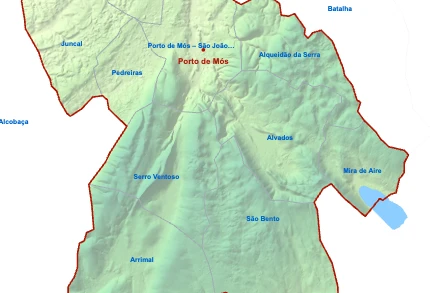
Castelo de Porto de Mós: also known as the Castelo de Dom Fuas Roupinho, this castle stands in a commanding position above Porto de Mós, classified as a National Monument in 1910, built in the Gothic and Renaissance style. It was a strategic point in the defence of Leiria and Coimbra from the 12th century.

Praia dos Supertubos

Praia dos Supertubos: also known as Praia do Medão, this is a beach in Peniche known for its tubular wave shape — excellent for surfing and bodyboarding, though it is a heavy wave suited only to more experienced surfers. Supertubos is known as the Pipeline of Europe (compared to the Pipeline wave in Hawaii) and hosts international sporting events including the WCT Rip Curl Pro.

Ecoparque Sensorial da Pia do Urso

Ecoparque Sensorial da Pia do Urso: an eco-park located in the village of Pia do Urso, in São Mamede, featuring restored traditional houses, a themed ecological park and a “sensory” walking trail adapted for visually impaired visitors.

Praia da Gambôa

Praia da Gambôa: a beach situated next to the small lighthouse at Peniche, ideal for families and for walks of 1 km to Praia da Cova da Alfarroba or more than 3 km to Baleal.

Praia Fluvial do Mosteiro

Praia Fluvial do Mosteiro: a river beach with ample shaded space, in a tranquil riverside setting with clear waters, ideal for families with children, with space for play, relaxation and picnics.

Castelo de Pombal

Castelo de Pombal: a 12th-century castle situated at the top of a rocky outcrop on the bank of the Rio Arunca, with magnificent panoramic views.

Parque dos Monges

Parque dos Monges: a themed park with entertainment shows, sport and nature activities, a teaching farm and environmental park, a museum of convent sweets, a biblical garden, a medieval village, restaurant and cafeteria. The Parque dos Monges offers educational services with school programmes, group events, event spaces, team-building activities and glamping accommodation in lakeside cabins. It is a destination popular with families and groups for themed nature-based activities.

Praia Fluvial de Aldeia Ana de Aviz

Praia Fluvial de Aldeia Ana de Aviz: a river beach located in the village of Ana de Aviz, in Figueiró dos Vinhos. Aldeia Ana de Aviz was one of the candidates in the 7 Wonders — Villages of Portugal competition.

Baía de São Martinho do Porto

Baía de São Martinho do Porto: a bay in São Martinho do Porto with an elliptical beach of 2 km, featuring very calm waters sheltered from the Atlantic breeze by the maritime bar — with the viewpoint of São Martinho do Porto to the north and the chapel of Santa Ana to the south, a 12th-century chapel set on top of a hill. The Rio Tornada flows into the southern side of the bay, facing the parish of Salir do Porto. In front of the bay there are nature walking paths from which a spectacular sunset over the Atlantic Ocean can be watched.

Papôa — Peniche

Papôa — Peniche: a small islet on the northern part of the Peniche peninsula, a place for walks among rocks and cliffs. Some caution is advised, as there are hidden hazards near the ravines. It is a place of extreme wild beauty, with a panoramic view over the Atlantic Ocean and the sunset.

Centro de Interpretação da Batalha de Aljubarrota

Centro de Interpretação da Batalha de Aljubarrota: a museum presenting archaeological discoveries and multimedia themes related to the battlefield of Aljubarrota, where the battle took place in 1385.

Aquaparque Panorâmico Pombal

Aquaparque Panorâmico Pombal: a water park with slides, gentle runs, a semi-Olympic pool, a 7,000 m² lawn and other supporting facilities.

Sportágua

Sportágua: an aquatic amusement park in Peniche, with slides, chutes, multi-lane runs and other supporting facilities.

Praia do Salgado

Praia do Salgado: a wild beach with a 5 km stretch of sand extending to the mouth of the Rio Alcoa, south of the village of Nazaré. The beach has an Atlantic Ocean seascape and is bordered to the east by vegetated dunes, cultivated plots and a hill with dense vegetation.

Mercado Municipal da Nazaré

Mercado Municipal da Nazaré: an authentic market in a covered pavilion open every morning from 07:00 to 13:00, with independent stalls selling fresh food products of animal and vegetable origin — both local and national — including bread, pastries, cheeses, fruit, vegetables, meats, fish, seafood and a bar service.

Praia de Vale Furado

Praia de Vale Furado: a beach with difficult access, featuring an extensive sandy beach sheltered by orange-hued limestone cliffs that create a calm, wind-protected atmosphere. Along the beach semi-buried rocks beside the ocean decorate the landscape like a painting.

Norpark

Norpark: an aquatic amusement park in Nazaré, set in an area of more than 45,000 m² with pools, water slides, jacuzzis, green areas and a beach football pitch.

Santuário de Nossa Senhora da Nazaré

Santuário de Nossa Senhora da Nazaré: a church classified as a Property of Public Interest, situated at the Sítio da Nazaré, housing the Sacred Image of Nossa Senhora da Nazaré — a Black Madonna carved in wood, brought from Mérida in 711 according to tradition. The sanctuary was built in several phases, beginning as a small man-made grotto beside the cliff in the 8th century, followed by the Capela da Memória built on the orders of Dom Fuas Roupinho in the 12th century, and a third sanctuary founded by King Dom Fernando I in the 14th century. The sanctuary features thematic paintings depicting the legend of Nazaré, walls lined with 17th-century tiles and a floor in 19th-century hydraulic mosaic.

Praia do Molhe Leste

Praia do Molhe Leste: the beach situated south of Peniche, before Praia de Supertubos. It is a beach sheltered from sea currents and northerly winds by the Peniche peninsula.

Ilha do Baleal

Ilha do Baleal: a small peninsula belonging to the municipality of Peniche, situated north of the bay of Peniche, separated from the mainland by a sandbar (tombolo), forming a beach of fine white sand, with road access to the island of Baleal. Baleal has a small urban centre that has been popular since the 1980s owing to the surf schools and surf camps operating here, with favourable conditions at the neighbouring beaches for learning to surf.

Lagoa de Óbidos

Lagoa de Óbidos, in front of the settlement and beach of Foz do Arelho

Lagoa de Óbidos: the most extensive coastal lagoon system on the Portuguese coast, measuring 4.5 km in length and 2.8 km in width, situated at Foz do Arelho in a shallow depression between the municipalities of Caldas da Rainha and Óbidos, connected to the sea through a channel that varies with the tides and season. The Lagoa de Óbidos has rich fauna and birdlife and plays an important ecological role. It is a destination for birdwatching and for sailing, windsurfing, canoeing, rowing, kiteboarding, jet skiing, water skiing and stand-up paddleboarding. Fishing on the Lagoa de Óbidos is traditional, using the Bateira — a typical flat-decked open boat used by the region’s fishermen and shellfish gatherers.

Centro de Diálogo Intercultural

Centro de Diálogo Intercultural: a cultural centre created with the aim of preserving and promoting the presence of Christianity, Judaism and Islam in Leiria.

Lagoa da Ervedeira

Lagoa da Ervedeira: documented since 1160, this is currently the only lake beach in the municipality of Leiria, with a picnic area and a boardwalk built for birdwatching. The beaches of Vieira de Leiria are located nearby.

Localities to visit in the Leiria region

Alcobaça

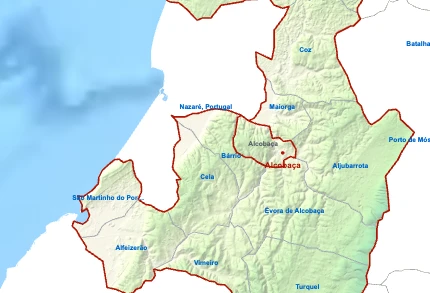
Alcobaça: located in the valleys of the Alcoa and Baça rivers, it is world-renowned for its monastery, founded in 1153 by the Cistercian Order. The lands were donated by Dom Afonso Henriques as a vow made for the reconquest of the city of Santarém in 1147. The Mosteiro de Alcobaça was built following the model of the Abbey of Clairvaux, the mother house of the Cistercian Order in France. The Mosteiro de Alcobaça is a UNESCO World Heritage Site. Alcobaça is noted for its convent pastries, in particular the Pão-de-Ló de Alfeizerão.
Batalha

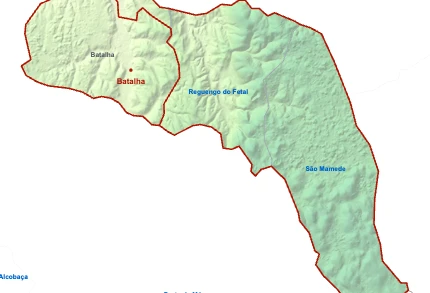
Batalha: located in the district of Leiria, it is known for the Mosteiro da Batalha. A historic location where the Battle of Aljubarrota took place on 14 August 1385, enabling the consolidation of Portuguese independence. In gratitude for the victory at Aljubarrota, King Dom João I of Portugal ordered the construction of the Mosteiro da Batalha in dedication to the Virgin Mary and donated it to the Dominican Order. The Mosteiro da Batalha is a unique monument in Portugal, with particular highlights being the cloisters, the stained-glass windows, the Unfinished Chapels and the Chapter House. The Mosteiro da Batalha has been a UNESCO World Heritage Site since 1983.

Bajouca

Bajouca: a parish in the municipality of Leiria known for its pottery tradition. Notable sites in this parish include the Igreja Matriz, the Olarias de Bajouca and the Moinho do Pisão.

Caldas da Rainha

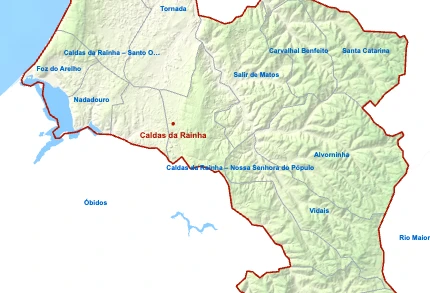
Caldas da Rainha: a locality in the district of Leiria with approximately 31,000 inhabitants. It is known for the figure of Queen Dona Leonor and for its ceramic ware, notably the work of Rafael Bordalo Pinheiro. Caldas da Rainha has a rich heritage, including the 16th-century Ermida de São Sebastião, the Igreja de Nossa Senhora do Pópulo of the same century, Parque Dom Carlos, the Museu José Malhoa, the Museu do Hospital and the Museu da Fábrica das Faianças Bordalo Pinheiro. Nearby Caldas da Rainha are the Praia d’El Rey golf course at the Marriott Golf & Beach Resort and the Westin Campo Real Golf Resort. Caldas da Rainha has two beaches with extensive sandy shores: Praia da Foz do Arelho and Praia de Salir do Porto.

Cortes

Cortes: a parish in the municipality of Leiria and the source of the Lis river. Notable sites in this parish include the Quinta da Barrada of 1922 — the defining landmark of Caves Vidigal — the Quinta da Cerca, the Chafariz of 1900, the Nicho da Senhora do Rosário e Beco of 1576, the Moinho do Rouco of 1364, the Casa Museu Centro Cultural João Soares and the Igreja de Nossa Senhora da Gaiola of 1550.

Fátima

Sanctuary of Fátima, with the Basílica de Nossa Senhora do Rosário de Fátima, the Capelinha das Aparições and the Basílica da Santíssima Trindade in the background

Fátima: located near Leiria, it is one of the most visited religious centres in the world, where the three shepherd children witnessed the apparition of Nossa Senhora de Fátima on 13 May 1917. The busiest period is the pilgrimage season, between 13 May and the month of October. On 13 May the Candlelight Procession takes place at night — a unique event in the country. In Fátima the Basílica da Santíssima Trindade, the Santuário dos Valinhos and the Museu da Vida de Cristo are highlights.

Lagoa da Ervedeira

Lagoa da Ervedeira: located within the Pinhal de Leiria, in the Mata do Urso area and in the transitional zone between the Beira Litoral and Alta Estremadura regions. The lagoon has approximately 2 km of beach and is a popular destination for sport fishing and water sports.

Monte Real

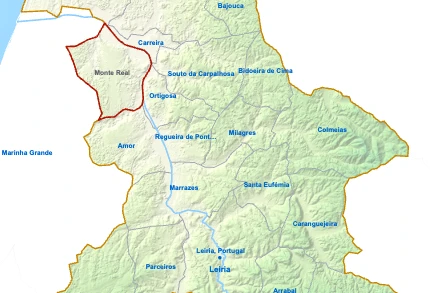
Monte Real: the former royal village of King Dom Dinis and a thermal spa resort. Dom Dinis made this village his holiday and hunting residence, ordering the construction of the Paços Reais. Notable sites in Monte Real include the Capela da Rainha Santa, the Termas de Monte Real, the Capela de São João Batista, a Pelourinho of 1573 and the Fonte da Rainha Santa, whose waters are traditionally believed to have miraculous healing properties.

Nazaré

Nazaré: a seaside resort in the district of Leiria that gained worldwide prominence through giant wave surfing. In this fishing town the main highlight is the Sítio — the highest point of the village and its finest viewpoint. This elevated point is intimately linked to the myth of the village’s founding and to the cult of Nossa Senhora da Nazaré: according to legend, the alcaide Dom Fuas Roupinho, while pursuing a deer, was about to fall over a cliff and was saved by Nossa Senhora da Nazaré. As an act of gratitude, Dom Fuas Roupinho ordered the construction of the Ermida da Memória — a small chapel. On this site stands the Santuário de Nossa Senhora da Nazaré, built in the 18th century. The culture of Nazaré is profoundly connected to the sea, reflected in its crafts — including the seven-skirt dresses, fishing nets, wicker baskets and traditional dolls. The gastronomy also reflects this intimate relationship with the sea through dishes such as Caldeirada de Peixe, Sopa de Peixe, Açorda de Marisco and dried horse mackerel. Nazaré is known for its festivals, including the Festas de Nossa Senhora da Nazaré, the Carnaval da Nazaré and the New Year’s Eve celebrations, featuring fireworks reflected in the Atlantic Ocean — a scene worthy of a postcard.

Óbidos

Óbidos: a genuine medieval village-museum situated within the walls of the castle, in the district of Leiria. Óbidos has a pousada dating back to the Middle Ages, the Igreja Matriz de Santa Maria, the Capela de São Martinho, the Igreja do Senhor da Pedra and a fully walled citadel. Near Óbidos are two outstanding golf courses: the Guardian Bom Sucesso Golf and the Royal Óbidos Spa & Golf Resort. This medieval village is known for its festivals that drive tourism and the local economy, including the Holy Week Festivities — recreating the Stations of the Cross — the Early Music Festival, the International Chocolate Festival and Óbidos at Christmas.

Peniche

Peniche: a Portuguese fishing town in the district of Leiria, formerly an important military complex for protection against invasions from the ocean. Today it is one of the best surf destinations in Europe, with dozens of surf camps and a world-class surf scene. Notable sites include the Forte de Peniche, ordered by Dom João IV in the 17th century. During the dictatorship of António de Oliveira Salazar it was converted into a political prison, the site of one of the most remarkable escapes carried out by Portuguese political prisoners. Peniche is the country’s largest centre of bobbin lace — a centuries-old craft requiring great skill. In Peniche visitors can explore Praia do Baleal (ideal for leisure bathing), Praia de Supertubos, Praia da Consolação (ideal for surfing and bodyboarding) and other beaches with surfing conditions. Other highlights include Cabo Carvoeiro, the chapel of Nossa Senhora dos Remédios carved into underground rock, a lighthouse dating from 1796, the Nau dos Corvos rock formation and the Berlengas islands.

Praia do Pedrógão

Praia do Pedrógão: the only beach in the municipality of Leiria, known for its extensive sandy shore and dunes.

Tomar

Tomar: this locality in the district of Leiria is deeply connected to the Knights Templar. In Tomar the highlights are the Convento de Cristo — a UNESCO World Heritage Site — the Mata dos Sete Montes, the Igreja de Santa Maria do Olival, the Castelo Templário and the Sinagoga de Tomar. Near Tomar are the Castelo de Almourol and the Barragem de Castelo do Bode reservoir. Tomar is famous for the Festa dos Tabuleiros, held annually in the month of July.

Vale do Lapedo

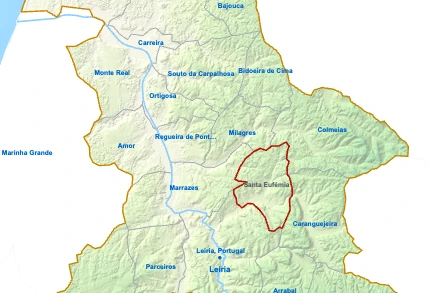
Vale do Lapedo: located in the parish of Santa Eufémia, approximately 13 km from Leiria, with unique national fauna and flora. The valley is home to the Centro de Interpretação do Abrigo do Lagar Velho.

The gastronomy of Leiria

The gastronomy of Leiria is of growing importance to the region’s tourism and has been elected Cultural Heritage of Portugal. The typical dishes of Leiria gastronomy are:

  • Bacalhoada com migas;
  • Bacalhau com feijão frade;
  • Caldeirada de Peixe;
  • Chanfana de Chaínça;
  • Leitão à Moda da Boa Vista;
  • Grilled Megritos;
  • Morcela de Arroz dos Marrazes;
  • Brisas do Lis;
  • Burnt Chestnuts;
  • Canudos de Leiria;
  • Almond Sweet;
  • Pumpkin Fritters;
  • Lampreias de Ovos;
  • Ovos Folhados;
  • Milk Liqueur;
  • Vinho das Cortes.

History of Leiria

Leiria has been inhabited since the Palaeolithic period (400,000 to 35,000 years ago). The “Lapedo Child”, found in this region and dating to approximately 25,000 years ago, is one of the most important prehistoric finds in Portugal. Leiria was conquered from the Moors in 1135 by Dom Afonso Henriques, who ordered the construction of the castle, prompting the growth of settlement in Leiria. The city experienced steady political growth during the Middle Ages, receiving the first municipal charter from Dom Afonso Henriques in 1142, a second charter in 1195, and in 1300 Dom Dinis donated the city of Leiria to Queen Santa Isabel. The Pinhal de Leiria, also known as Pinhal d’El-Rei or Mata Nacional de Leiria, is a pine forest covering 11,000 hectares that extends along the coastline to Leiria. It played a major role in the development of the region, having been initially planted by Dom Afonso II and greatly expanded by Dom Dinis with the aim of protecting the city, castle and agricultural lands from dune erosion caused by ocean winds. It was of great importance during the Age of Maritime Discoveries as a source of raw materials for shipbuilding, driving the growth of the naval, glassmaking, metalworking and resin industries. The city of Leiria was the first city in Portugal to have a printing press, in 1466. The city of Leiria was elevated to episcopal city and seat of comarca in 1545 during the reign of Dom João III.
The traditional crafts of Leiria

The traditional crafts of Leiria include pottery, ceramics, porcelain (renowned for the Caldas da Rainha wares), faience, tapestry, embroidery, the chita fabric of Alcobaça, loom blankets, stone carving, tinsmithing, basketry and wooden fishing miniatures. Leiria has a dynamic and constantly developing economy, with employment levels above the national average. The Leiria region has approximately 50,000 companies across the most varied economic sectors. Industry plays an important role in regional development, particularly the processing of non-metallic minerals such as glass, ceramics, moulds and plastics. The city of Leiria invests in Research and Development and is the fifth most important destination in the country for this category of companies — a commitment supported by an excellent higher education offering, with the Instituto Politécnico de Leiria playing a key role in driving the economy. In 2015 Leiria ranked as the fourth most financially efficient municipality in the country, contributing to confidence in the region’s economic performance.

Notable figures from Leiria

  • António Varela (1902–1962): António Jorge Rodrigues Varela was born in Leiria. He studied Architecture at the Escola de Belas-Artes do Porto and began his career in Leiria. His principal works were the Casa da Moeda between 1933 and 1937 and the Fábrica de Conservas de Peixe in Matosinhos.
  • Francisco Rodrigues Lobo (1580–1621): born in Leiria into a New Christian family. Francisco Rodrigues Lobo is considered the father of the Baroque style in Portuguese literature. He studied at the University of Coimbra and died by drowning in the Tagus River while travelling between Lisbon and Santarém. His principal works are O Pastor Peregrino of 1608, O Condestabre of 1609 and A Corte na Aldeia of 1619.
  • Ernesto Korrodi (1870–1944): born in Zurich in 1870 and died in Leiria in 1944. He studied at the School of Industrial Art until 1888, then from 1889 attended the Escola Industrial de Braga for five years. He arrived in Leiria in 1894 to join the Escola Industrial de Leiria. His principal works include the Studies for the Reconstruction of the Castelo de Leiria, the founding of the Liga dos Amigos do Castelo in 1915 and the establishment of a school of artistic stone carving in Leiria. Today Leiria Municipal Council organises a heritage trail in homage to Ernesto Korrodi, passing through important locations in the life and work of the architect, including Villa Hortênsia, Convento de São Francisco, Prédio Marques da Cruz, Sé de Leiria, Residencial Leiriense, Casa do Arco, Edifício Zuquete, Banco de Portugal, Pensão Beira Rio, Igreja de Santo Agostinho, Mercado de Sant’Ana, Paços do Concelho and Castelo de Leiria.
  • José Lúcio da Silva (1902–1972): born in Leiria, he spent most of his life as an employee of the Banco Nacional Ultramarino de Leiria. An entrepreneur and benefactor, he established several associations and companies, including the Sociedade Industrial de Borracha and the Teatro José Lúcio da Silva.
  • Lino António (1898–1974): a Modernist painter born in Leiria who died in Lisbon. Lino António studied at the Escola Industrial Domingos Sequeira in Leiria, the Escola de Belas-Artes in Lisbon and the Escola de Belas-Artes in Porto. His principal works include the frieze in the President’s chamber of the National Assembly in 1938, the frescoes of the triumphal arch and choir balcony of the Igreja de Fátima in Lisbon in 1938, the stained-glass windows of the Casa do Douro in Peso da Régua in 1945 and the frescoes in the entrance hall of the Biblioteca Nacional in Lisbon in 1966.
  • Narciso Costa (1890–1969): Narciso Casimiro Costa was born in Leiria. The son of Manuel Casimiro Costa — one of the country’s finest goldsmiths — he showed early talent as an outstanding student, receiving recognition diplomas at the Escola Industrial Bartolomeu dos Mártires. Narciso Costa studied at the Escola Comercial e Industrial de Braga and at the École des Arts et Métiers in Geneva, Switzerland. He arrived in Leiria in 1914 to teach General Drawing at the Escola Industrial Domingos Sequeira. Narciso Costa distinguished himself as a chaser and draughtsman, and was particularly notable for co-founding the Atelier Técnico de Arquitetura e Decoração in the 1930s alongside António Varela.

Curiosities about Leiria

  • The Pinhal de Leiria was planted on the orders of Dom Dinis to make the construction of sailing vessels possible
  • The Cortes de Leiria of 1254 are celebrated as the first occasion on which representatives of all social classes — Nobility, Clergy and the People — convened together
  • The Cortes of 1372 and 1376 also took place in Leiria
  • Portugal’s first paper factory was built in Leiria in 1411
  • The Castelo de Leiria receives approximately 50,000 visitors per year
  • Eça de Queiroz served as administrator of the municipality of Leiria
  • Eça de Queiroz wrote the novel O Crime do Padre Amaro in Leiria
  • Dom Dinis dedicated some of the poems he wrote to the city of Leiria
  • Leiria has held city status since the 16th century

The main events and festivities of the municipality of Leiria are:

  • Festas da Cidade: held on 22 May to mark the elevation to city status in 1545;
  • Festas de Nossa Senhora da Encarnação: held in August in honour of this patron saint of the city of Leiria;
  • Festa do Corpo de Deus: held in May;
  • Festival Anual de Música: held in July;
  • Festival Regional de Gastronomia e Artesanato: held in the first week of September;
  • Leiria the Christmas City,
  • Prove Leiria Doçaria,
  • Opera Património Leiria,
  • Festival Gótico Extramuralhas,
  • Leiria Sobre Rodas,
  • National Electric Vehicle Meeting (ENVE),
  • Leiria Paredes com História.

Quick facts about Leiria

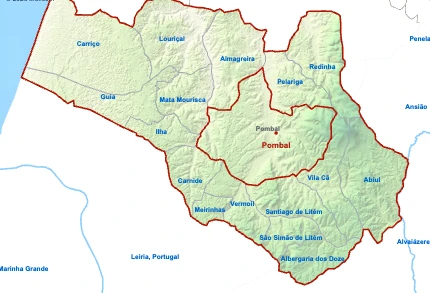
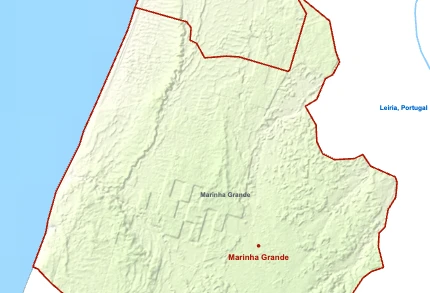
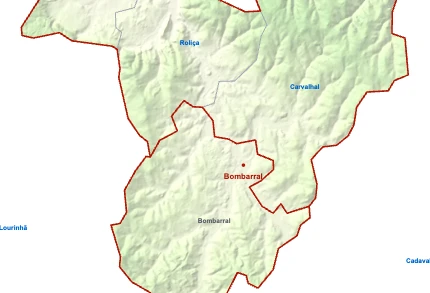
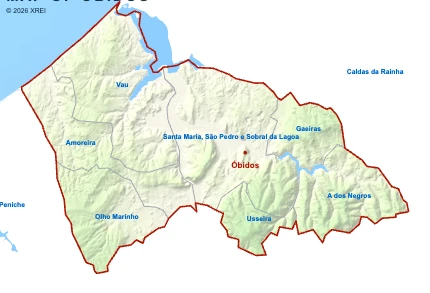
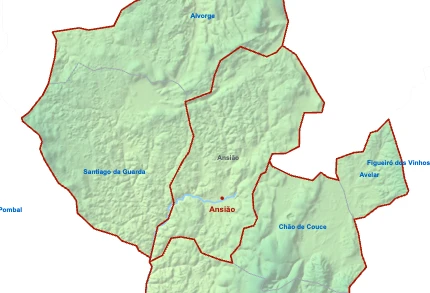
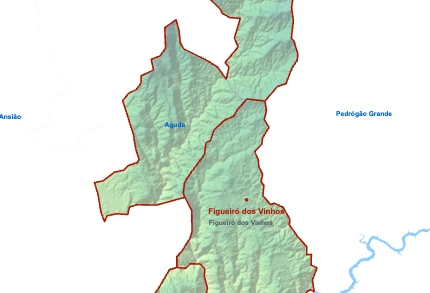
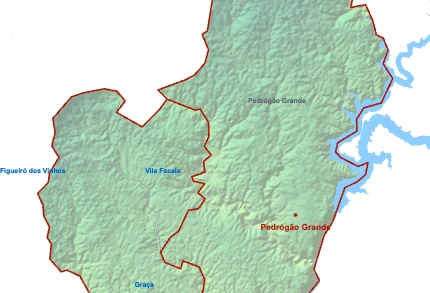
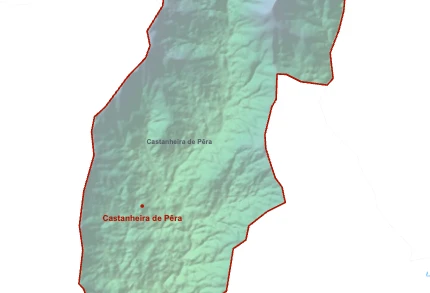
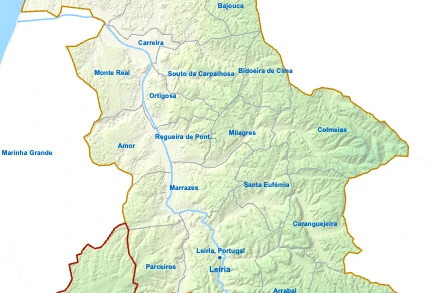
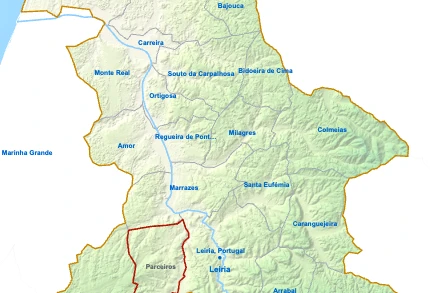
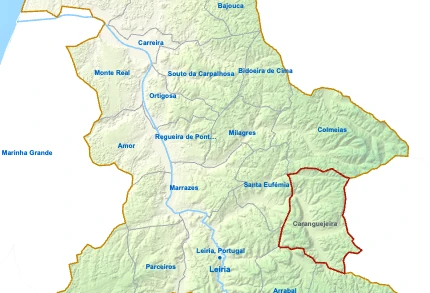
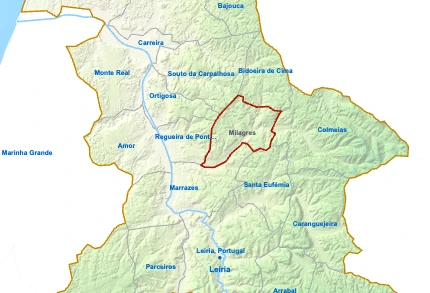
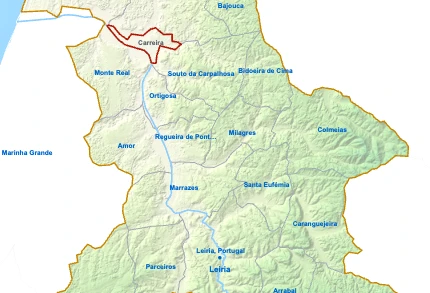
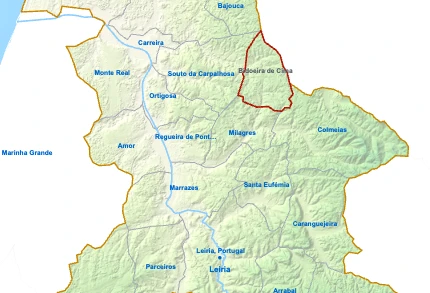
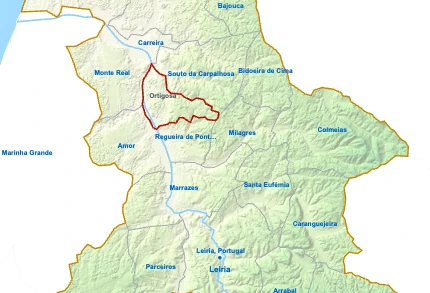
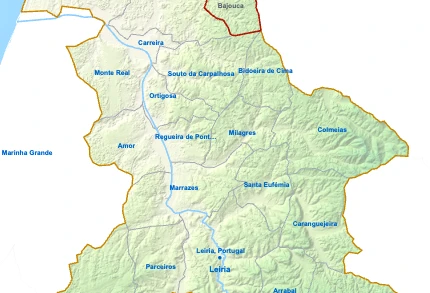
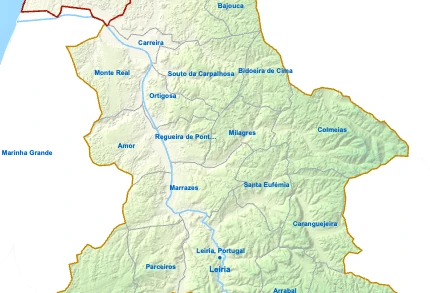
The district of Leiria is divided into 16 municipalities: 1. Alcobaça; 2. Alvaiázere; 3. Ansião; 4. Batalha; 5. Bombarral; 6. Caldas da Rainha; 7. Castanheira de Pera; 8. Figueiró dos Vinhos; 9. Leiria: the municipality of Leiria has approximately 130,000 inhabitants and is administratively organised into 18 parishes: Amor, Arrabal, Bajouca, Bidoeira de Cima, Caranguejeira, Coimbrão, Colmeias e Memória, Leiria, Pousos, Barreira e Cortes, Maceira, Marrazes e Barosa, Milagres, Monte Real e Carvide, Monte Redondo e Carreira, Parceiros e Azoia, Regueira de Pontes, Santa Catarina da Serra e Chainça, Santa Eufémia e Boa Vista, Souto da Carpalhosa e Ortigosa; 10. Marinha Grande; 11. Nazaré; 12. Óbidos; 13. Pedrógão Grande; 14. Peniche; 15. Pombal; 16. Porto de Mós.

  • City population: approximately 60,000 inhabitants
  • Municipal population: approximately 127,000 inhabitants
  • Area: 565.09 km²
  • District: Leiria
  • Former Province: Beira Litoral
  • Patron Saint: Nossa Senhora da Conceição
  • Municipal Holiday: 22 May
  • Exports: represent 4% of the national total

We're Close to You

XREI operates from offices across Portugal — from Porto to the Algarve.

North

Porto — Edifício ICON

Rua Direita de Francos, 165 Piso 1 · 4100-211 Porto

Greater Lisbon

Lisboa — Rua Castilho

Rua Castilho, 39 · 1250-068 Lisboa

Greater Lisbon

Estoril

Avenida Aida, 353A · 2765-187 Estoril

Alentejo Coast

Comporta

Av. 18 Dezembro, 37 · 7570-779 Carvalhal

Algarve

Vilamoura — Marina Plaza

Av. da Marina, 3 · Marina Plaza Loja 14/15 · 8125-401 Quarteira