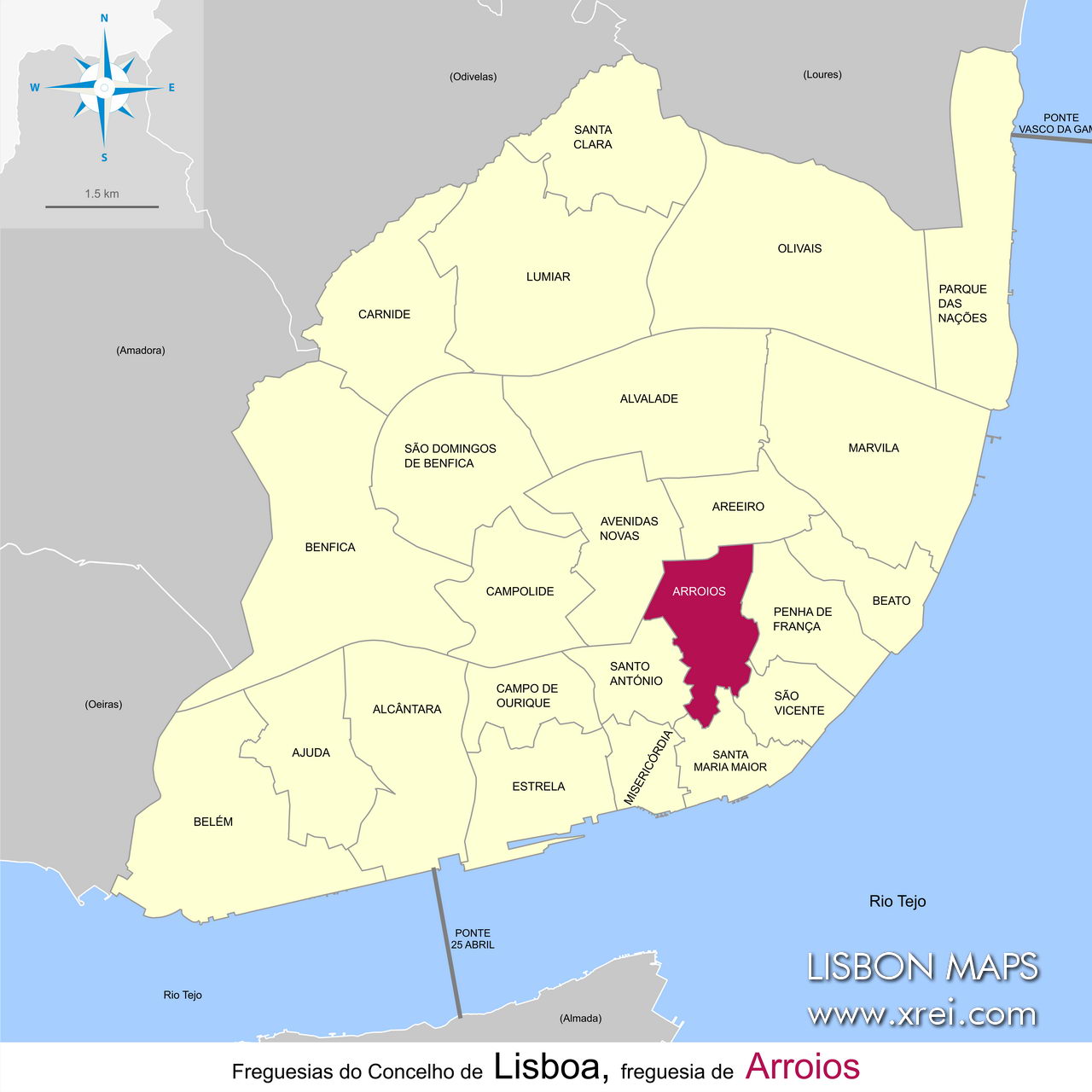
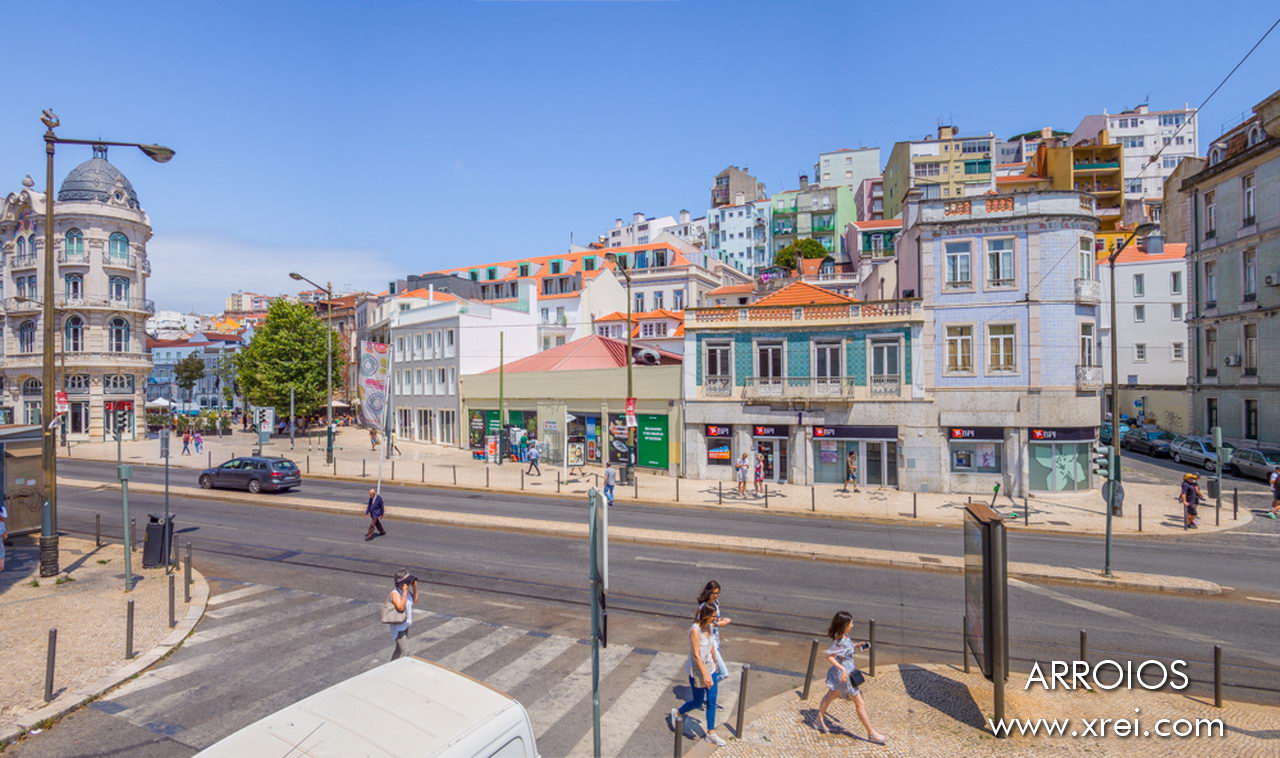
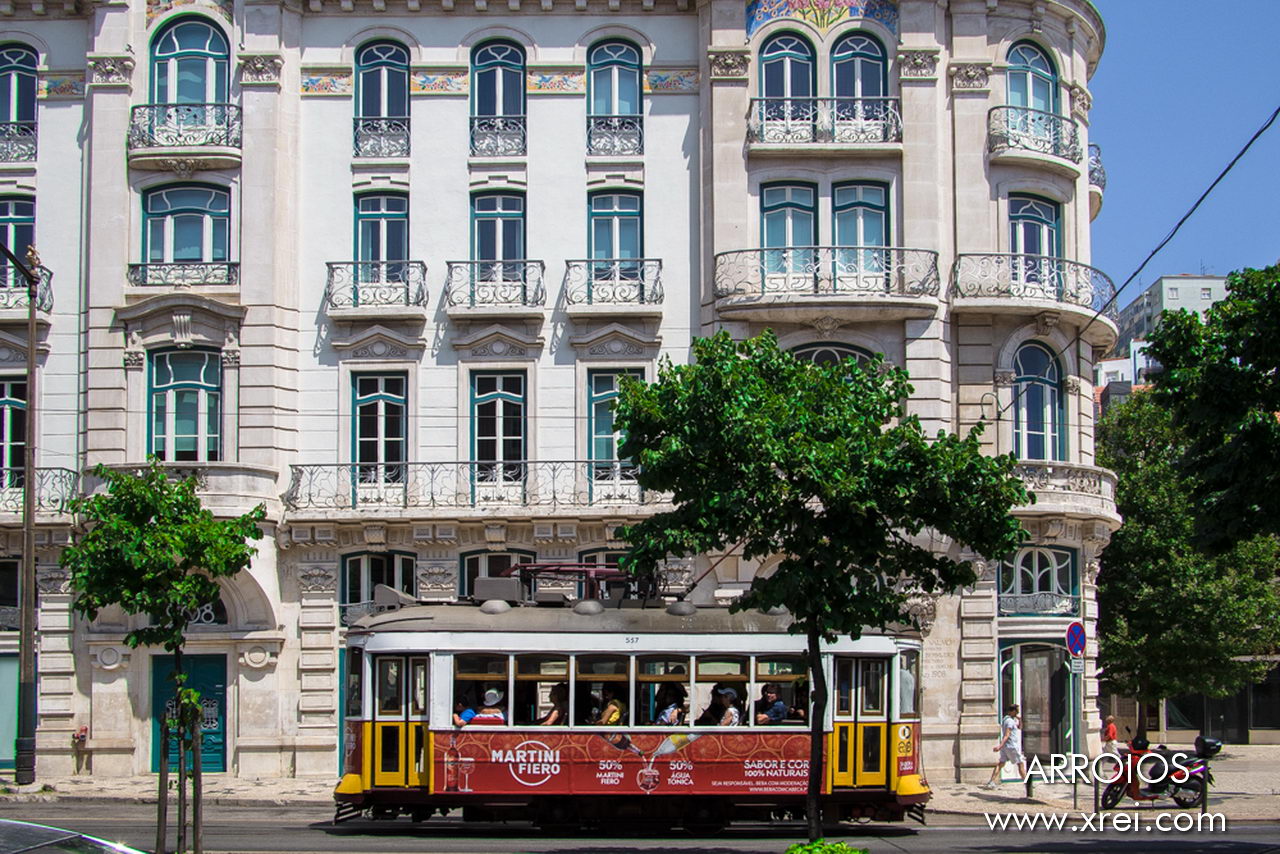
Arroios is primarily characterised by the buildings constructed in the 19th and 20th centuries. It is a former agricultural area of Lisbon and one of the most recently developed parishes of the Portuguese capital. Rua de Arroios, Rua dos Anjos and Avenida Almirante Reis reflect a blend of architectural styles from the 19th and 20th centuries. These are residential streets lined with small retail shops, busy with constant foot traffic. Several of Lisbon's tram lines cross here, and it is common to hear the distinctive bells of these historic vehicles, widely appreciated and used by locals and visitors alike. Arroios is multicultural, giving rise to the street with the highest number of nationalities in the country: Rua Morais Soares, home to approximately 70 cultures and nationalities from around the world. Despite this mix of cultures, all residents coexist in peace and harmony. The parish of Arroios is defined by its various squares, gardens and avenues. It is a unique part of the city increasingly sought out by new generations as a place to live.
Arroios is administered by the Junta de Freguesia de Arroios.
Places to Visit in Arroios
- Fábrica Viúva Lamego
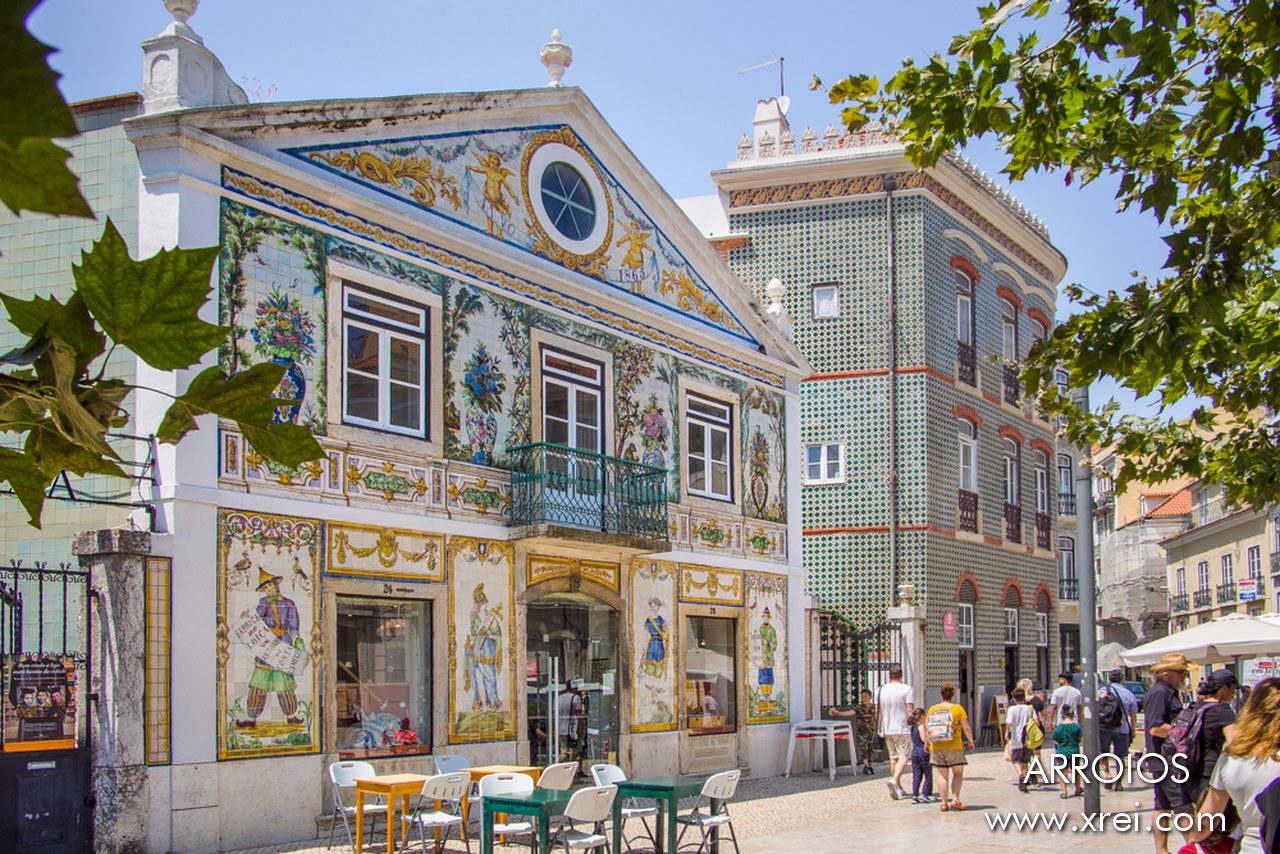
- Largo do Intendente Pina Manique
- Cervejaria Portugália
- Avenida Almirante Reis
- Calçada de Santana
- Jardim Braamcamp Freire
- Igreja de Nossa Senhora dos Anjos
- Rua do Benformoso
- Convento de Nossa Senhora do Desterro
- Antiga Praça de Touros do Campo de Santana
- Antiga Igreja dos Anjos
- Bairro das Colónias
- Biblioteca de São Lázaro
- Campo Mártires da Pátria (Campo de Santana)
- Capela de Santo António
- Capela do Paço da BemPosta
- Cervejaria Ramiro
- Chafariz do Desterro
- Cinema Império
- Clube Estefânia
- Convento de Arroios
- Convento de Nossa Senhora do Desterro
- Elevador do Lavra
- Ermida de Nossa Senhora do Resgate das Almas e Senhor Jesus dos Perdidos
- Ermida do Senhor Jesus da Boa Morte
- Escadinhas do Monte

- Escola Secundária de Camões
- Faculdade de Ciências Médicas da Universidade Nova de Lisboa
- Igreja Paroquial de São Jorge de Arroios
- Igreja Coração de Maria
- Jardim António Feijó
- Jardim Cesário Verde
- Jardim Constantino
- Jardim Henrique Lopes Mendonça
- Jardim do Largo de Arroios
- Jardim Maria de Lurdes Pintasilgo
- Jardim do Torel
- Largo das Olarias
- Largo do Mastro
- Largo de Santa Bárbara
- Mercado dos Anjos
- Mercado de Arroios
- Mercado do Forno do Tijolo (now Mercado de Culturas)

- Mercado 31 de Janeiro
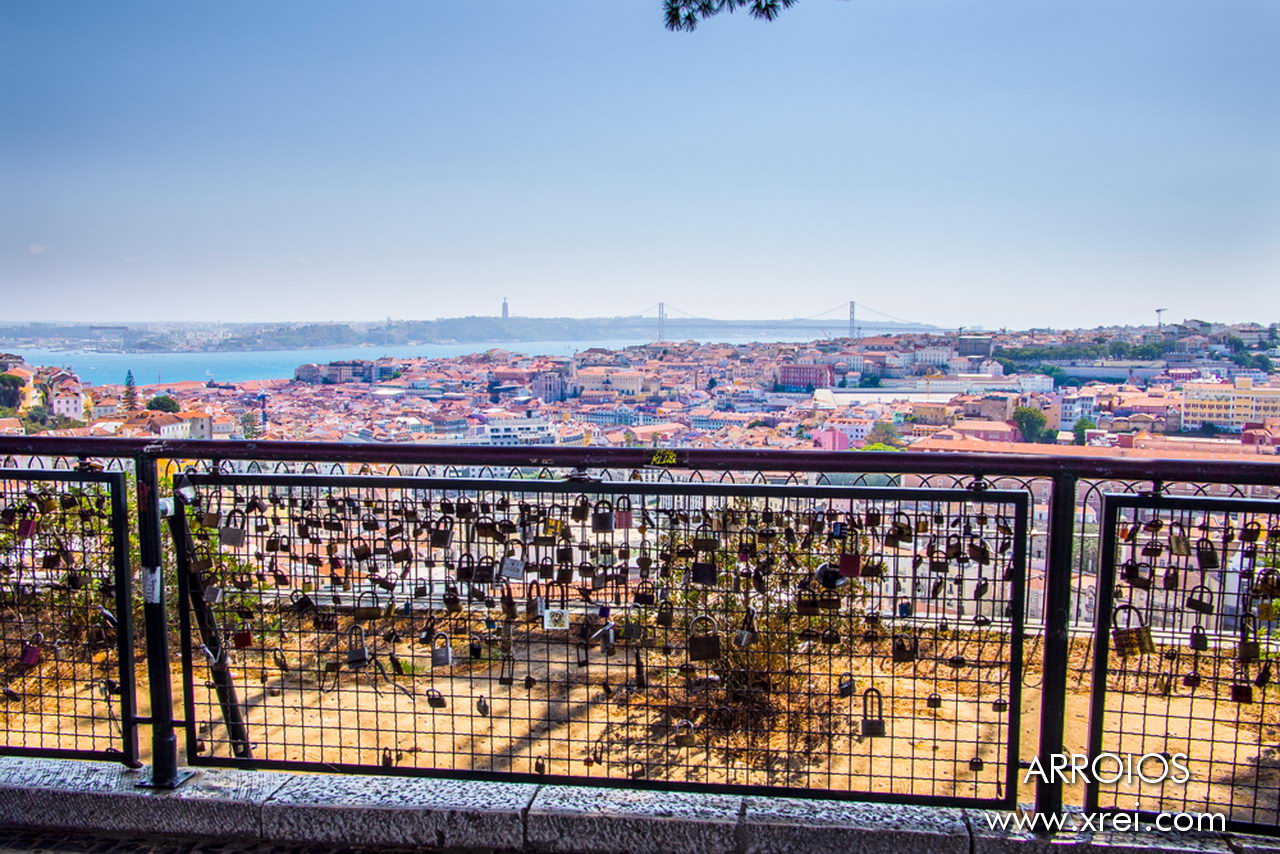
- Miradouro do Monte Agudo
- Miradouro do Torel
- Palácio Sotto Mayor
- Palácio do Intendente Pina Manique
- Palácio do Visconde da Graça
- Palácio dos Távoras
- Palacete Lafões
- Palacete da Estefânia
- Pavilhão de Segurança do Hospital Miguel Bombarda
- Regueirão dos Anjos (Ribeira de Arroios)
- Rua da Palma
- Rua dos Anjos
- Rua Morais Soares
- Travessa da Cruz dos Anjos
- Travessa do Maldonado
Educational Institutions in Arroios
- Associação Pró-Infância Santo António de Lisboa (APISAL)
- Colégio do Sagrado Coração de Maria
- Colégio Sá de Miranda
- Escola Chinesa de Lisboa
- Escola Secundária Camões
- Escola Secundária Artística António Arroio
- Escola Superior de Enfermagem São Francisco das Misericórdias
- Externato Portugália
- Faculdade de Ciências Médicas da Universidade Nova de Lisboa
- Goethe-Institut Portugal
- Instituto Português de Fotografia
- Instituto Profissional de Estética e Massagem
Healthcare Institutions in Arroios
- Hospital Santa Marta
- Hospital Santo António dos Capuchos
- Hospital de São José
- Hospital Dona Estefânia
- Hospital Santa Marta
- Instituto Português de Cirurgia Plástica
- Legismente: Psiquitaria e Psicologia Forense
- Pedro Xoi
Tourist Accommodation in Arroios
- Hotel 1908
- Czar Lisbon Hotel
- Double Tree by Hilton Hotel Lisbon: Fontana Park
- Hotel 3K Madrid
- Neya Lisboa Hotel
- Torel Palace Hotel
Shopping in Arroios
- A Vida Portuguesa
- Kit Graden
- Hospital do Desterro
- SOU - Movimento e Arte
Transport and Access in Arroios
Arroios has the following transport options available:
-
Lisbon Metro:
- Arroios Station (Green Line)
- Intendente Station (Green Line)
-
Rail:
- Santa Apolónia Station
Fairs, Festivals and Events in Arroios
- Arroios Film Festival: held annually in July
- Volta ao Mundo em Arroios: held annually in July
History of Arroios
Arroios was founded in the 16th century. The first structures built in this area were the Igreja dos Santos Anjos in 1551 and the Convento de Santana in 1562. The name Arroios derives from the many watercourses and springs that supplied the local population in this part of Lisbon. Arroios had some of the most fertile agricultural land in the city. It remained a rural area until the construction of the present Avenida Almirante Reis — formerly Avenida Dona Amélia — and the creation of the Bairros das Colónias, dos Andrades de Inglaterra and dos Açores. Its residents belonged to the bourgeoisie. Arroios saw its cultural diversity grow from the final third of the 20th century onwards, driven by immigration from many parts of the world, including Brazil, Pakistan, Bangladesh, Israel, Japan, China and England, among many others. Following the 2012 administrative reform of Lisbon's parishes, Arroios came to incorporate the former parishes of Anjos, Pena and São Jorge de Arroios.
Location of the Parish of Arroios on the Lisbon Map