
Príncipe Real
Príncipe Real on historiallinen, viehättävä ja kosmopoliittinen Lissabonin kaupunginosa, jonka maisemaa määrittelevät Praça do Príncipe Real ja Praça das Flores, puutarhat, kaupat ja 1700- ja 1800-luvun palatsit. Príncipe Real sijaitsee aivan Bairro Alton vieressä ja vain muutaman minuutin päässä Avenida da Liberdadelta ja Chiadon kaupunginosasta. Viime vuosina muoti- ja design-liikkeet ovat kukoistaneet koko kaupunginosassa, erityisesti Rua Dom Pedro V -kadulla. Príncipe Real ymmärretään täysin vasta, kun otetaan huomioon Jardim do Príncipe Real ja Embaixada. Jardim do Príncipe Real on yksi Lissabonin vanhimmista ja rauhallisimmista puutarhoista, jossa on vuosisatoja vanhoja puita, suihkulähde, puutarhapenkkejä, maisemoituja alueita ja yksi pääkaupungin ainutlaatuisista ja vähän tunnetuista maamerkeistä: Reservatório da Patriarcal, vuonna 1856 rakennettu maanalainen vesisäiliö, jota voi vierailla nykyään. Jardim do Príncipe Realin vastapäätä sijaitseva Embaixada on kaksikerroksinen kaupallinen galleria, jossa on erilaisia design-, käsityö-, muoti-, gastronomia- ja portugalilaisen kulttuurin liikkeitä 1800-luvulla uusmaurilaiseen tyyliin rakennetussa Palácio Ribeiro da Cunhassa. Príncipe Realin kaupunginosa on koti joillekin Lissabonin vanhimmista ja tunnetuimmista yöelämän paikoista, mukaan lukien Pavilhão Chinês (kiinalaisilla teemoilla varustettu baari), Foxtrot (baari 1900-luvun alkupuoliskon koristeellisilla teemoilla ja jugendtyylillä), Trumps (vaihtoehtoinen) ja Finalmente (vaihtoehtoinen). Príncipe Real on kaupunginosa, jossa on mahdollista asua, tehdä liiketoimintaa, vierailla ja viihtyä turvallisesti.
Príncipe Realin Junta de Freguesia on Misericórdian Junta de Freguesia.
Vierailukohteita Príncipe Realissa
1. Jardim do Príncipe Real (Jardim França Borges): historiallinen puutarha Lissabonin kaupungissa, joka sijaitsee Praça do Príncipe Realilla ja jonka virallinen nimi on Jardim França Borges. Jardim do Príncipe Real on suosittu kohde niin paikallisille kuin turisteillekin, kiitos englantilaistyylisen romanttisen puutarhan; yli kaksikymmentä metriä korkean Buçacon setripuun; virvokekojun, jossa voi levätä ja nauttia ginjaa, mehua tai teetä sekä syödä keittoja tai pikkupurtavaa; ja Reservatório da Patriarcalin.
2. Museu Nacional de História Natural e da Ciência: kasvitieteelle, eläintieteelle, antropologialle, mineralogialle, geologialle ja maataloudelle omistettu museotila, joka sijaitsee Rua da Escola Politécnicalla. Museu Nacional de História Natural e da Ciência -rakennus on uusklassinen ja sen suunnitteli Pierre Joseph Pézerat. Pääkohokohtia ovat Escola Politécnican Laboratório e Amphiteatro de Chimica, yksi harvoista Euroopassa säilyneistä 1800-luvun opetus- ja tutkimuslaboratorioista; Reserva Visitável de Química, jossa voi tarkastella yli kolme tuhatta esinettä; ja Cloister, jossa sijaitsee Fernão Telles de Menezesin (1530–1605) hauta, valokuvia, karttoja, Charles Darwinin käsin kirjoittama kirje portugalilaiselle luonnontieteilijälle Arruda Furtadolle, ja 1600-luvun pöytäkaukoputki Jesse Ramsdeniltä; ja Sala da Baleia, jossa on näytteitä Portugalin kaloista, sammakkoeläimistä, matelijoista, linnuista ja nisäkkäistä.
3. Reservatório da Patriarcal: Museu de Água, joka sijaitsee Praça do Príncipe Realilla. Reservatório da Patriarcal rakennettiin vuosina 1860–1864 insinööri Louis Charles Maryn johdolla, tarkoituksenaan toimittaa vettä Lissabonin alaosalle. Säiliö on merkittävä mittakaavaltaan, siinä on kolmekymmentäyksi pylvästä, yli yhdeksän metrin korkuiset holvatut katot ja veden varastointikapasiteetti noin 880 kuutiometriä. Reservatório da Patriarcal toimitti vettä osaan Lissabonia vuosina 1864–1940-luvut, ja se avattiin uudelleen Museu de Águana vuonna 1994, osana neljän museokohteen verkostoa: 1 – Aqueduto das Águas Livres; 2 – Reservatório da Mãe d'Água das Amoreiras; 3 – Reservatório da Patriarcal; ja 4 – Estação Elevatória a Vapor dos Barbadinhos.
4. Museu Geológico de Portugal: tila, jossa voi tarkastella noin 600 miljoonaa vuotta vanhoja portugalilaisia kivi-, fossiili- ja mineraalikokoelmia. Se sijaitsee Rua da Academia das Ciênciasin varrella entisessä Jeesuksen ritarikunnan luostarissa. Museu do Instituto Geológico e Mineiro avattiin vuonna 1855 tavoitteenaan koota Portugalin suurin fossiilikokoelma. Pääkohteita ovat dinosaurusten luurangot; kasvi- ja selkärangattomien fossiilit; Portugalissa louhittujen mineraalien ja malmien kokoelma; fossiilikokoelma, joka sisältää noin 15 miljoonaa vuotta vanhan krokotiilin kallon, joka löydettiin Chelasista, Lissabonista, noin 7 600 vuotta vanhan kotikoiran luurangon, joka löydettiin Mugesta, Ribatejon alueelta, ja kolme miljoonaa vuotta vanhan fossiilisoituneen puunrungon, joka löydettiin Leiriasta; sekä mineralogian ja tutkimusvälineiden kokoelma, johon kuuluu Sousa Brandãolle erityisesti valmistettu mikroskooppi; Figueira da Fozin rannikolta kerätty öljynäyte; ja Portugalin ensimmäinen geologinen kartta vuodelta 1876.
5. Jardim Botânico da Universidade de Ciências: yksi Lissabonin tärkeimmistä puutarhoista, jossa voi opiskella ja oppia kasvitieteestä. Jardim Botânico da Universidade de Ciências sijaitsee Rua da Escola Politécnicalla Colégio Jesuíta da Cotovian rakennuksessa, jossa se toimi vuosina 1619–1759. Jardim Botânico da Universidade de Ciências avattiin vuonna 1873 Conde de Ficalhon (1837–1903) ja Andrade Corvon (1824–1890) aloitteesta. Pääkohteita ovat Brasilian syklilajit, dinosaurusten aikakauden puu- ja kasvilajit, palmupuut, viikunapuut ja kaktukset.
6. Palácio Bramão: 1700-luvun palatsi, jossa sijaitsee Universidade Aberta, aikuiskoulutukseen keskittynyt korkeakoulu. Se sijaitsee Rua da Escola Politécnicalla sen avaamisesta vuonna 1861 lähtien. Palácio Bramão toimi kauppias Rebelo de Andraden perheen asuntona vuosina 1760–1805, sitten Imprensa Nacionalin rakennuksena ja Universidade Abertan pääkonttorina vuodesta 1988 lähtien.
7. Museu João de Deus: kouluttaja João de Deusille omistettu tila, joka sijaitsee Avenida Pedro Álvares Cabralilla. Casa-Museu João de Deus avattiin vuonna 1982 tavoitteenaan säilyttää ja edistää João de Deusin työtä. Tila toimi hänen asuntonaan ja koulutuskeskuksena opettajille, jotka tekivät yhteistyötä Escolas Móveis -hankkeessa, joka perustettiin vuonna 1852 lukutaidon edistämiseksi väestön keskuudessa. Escolas Móveis oli valtakunnallinen menestys, ja se toteutti yhteensä 479 lukutaitotehtävää vuosina 1852–1920, tavoittaen yli 28 000 ihmistä.
8. Pastelaria Cister: historiallinen leipomo ja kahvila Lissabonin kaupungissa, joka sijaitsee Rua da Escola Politécnicalla. Pastelaria Cister oli paikka, jossa Eça de Queiroz aamiaisen, mikä näkyy sisustuksessa portugalilaisia kirjailijoita ja älymystöä kuvaavien maalausten muodossa. Pääkohteita ovat mainitut maalaukset ja gastronomiset erikoisuudet, erityisesti Açorda de Gambas ja Rissóis de Camarão.
9. Embaixada Concept Store: design- ja muotiliikkeitä, gastronomiaa ja käsityötaidetta tarjoava kaupallinen tila. Embaixada Concept Store sijaitsee Praça do Príncipe Realilla Palácio Ribeiro da Cunhassa, joka avattiin vuonna 1879 uusmaurilaiseen tyyliin arkkitehti Henrique Carlos Afonson johdolla José Ribeiro da Cunhan (1854–1915) asunnoksi.
10. Mercado de Produtos Biológicos: luomutuotteiden hedelmä- ja vihannesmarkkinat, jotka kokoavat tuotteita koko maasta. Ne järjestetään joka lauantai klo 9–14 Jardim do Príncipe Realilla vuodesta 2005 lähtien.
Muita vierailukohteita Príncipe Realissa
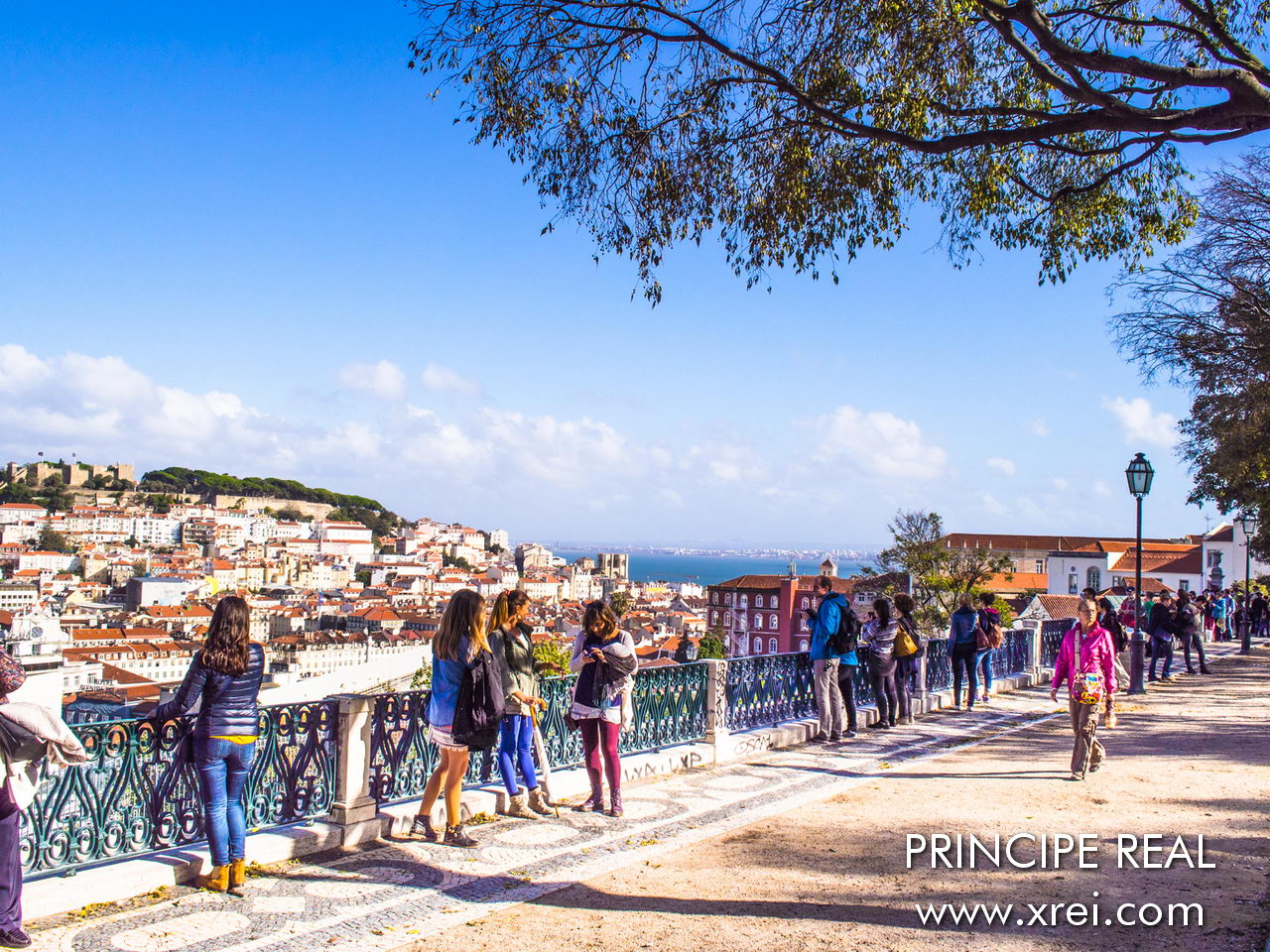

Fundação Casa de Macau: Macaon yhteisöjä tukeva ja kehittävä instituutio vuodesta 1996 lähtien. Se sijaitsee Praça do Príncipe Realilla. Päävetonaula on Kaukoidän erikoistunut dokumentaatiokeskus, jossa on noin neljä tuhatta kirjaa.
Orpheu Caffé: tila, jonka tavoitteena on luoda uudelleen 1800-luvun Lissabonin älyllinen ilmapiiri ja joka tarjoaa näkymän Jardim do Príncipe Realille. Orpheu Caffé sijaitsee Praça do Príncipe Realilla, ja sen pääkohteita ovat munakokkeli, Prego Estrella ja näkymä puutarhaan.
Galeria de São Mamede: nykytaidetta edistävä tila, jonka Francisco Pereira Coutinho avasi 1960-luvun lopulla. Galeria de São Mamede järjestää näyttelyitä lukuisille taiteilijoille, kuten Arealille, Cesarinyille, Cruzeiro Seixakselle ja Deolinda Fonsecalle.
Casa dos Tapetes de Arraiolos: Arraiolosin mattoja myyvä liike vuodesta 1959 lähtien Rua da Escola Politécnicalla. Tapetes de Arraiolos ovat villakirjailtuja mattoja, jotka ovat peräisin Arraiolosin kylästä ja joita on valmistettu samalla tekniikalla 1400-luvulta lähtien.
Panificação Reunida de São Roque: leipomo, joka on toiminut Rua Dom Pedro V:llä vuodesta 1961 lähtien. Se perustettiin tavoitteenaan yhdistää useita Bairro Alton leipomoita yhteen paikkaan. Panificação Reunida de São Roquen kohokohtia ovat sen gastronomia leivän ja kakkujen muodossa sekä tapahtumien, kuten Noites de Literatura Europeian, järjestäminen.
Joalharia Antiquário Dom Pedro V: historiallinen kultaseppä ja antiikkiliike Lissabonissa, yksi Príncipe Realin vanhimmista kultasepistä, joka on toiminut 1700-luvulta lähtien. Se sijaitsee Rua Dom Pedro V:llä.
Casa Amália Rodrigues
Palacete Anjos
Livraria Britanic
Pastelaria São Roque
Praça das Flores
Convento dos Cardeais
Museu Júlio Pomar
Palácio Castilho
Teatro da Politécnica
Príncipe Realin pääkadut ja -aukiot
Rua Dom Pedro V: Rua Dom Pedro V on Príncipe Realin pääkatu, joka tunnetaan antiikkiliikkeistään, design-liikkeistään ja taidegallerioistaan. Se yhdistää Praça do Príncipe Realin, Rua da Rosan, Rua Luísa Todin ja Rua de São Pedro de Alcântaran. Rua Dom Pedro V on yksi alueen vilkkaimmista kaduista, aina täynnä turisteja, opiskelijoita ja paikallisia raitiovaunu 28:n, antiikkiliikkeiden, taidegallerioiden, baarien ja ravintoloiden ansiosta. Rua Dom Pedro V on kantanut tätä nimeä vuodesta 1853 lähtien kunnianosoituksena kuningas D. Pedro V:lle (1837–1861), joka oli erittäin suosittu kansan keskuudessa Dona Estefânian sairaalan avaamisen (1877), ruumiillisten rangaistusten kiellon, orjuuden lakkauttamisen, Curso Superior de Letrasin perustamisen (1859), tähtitieteellisen observatorion avaamisen (1861), rautatien rakentamisen (1856), lennättimen (1855) ja ensimmäisen portugalilaisen teollisuusnäyttelyn järjestämisen ansiosta.
Rua da Escola Politécnica: katu, joka yhdistää Praça do Príncipe Realin ja Largo do Ratoon. Se on erittäin vilkas sen tarjoamien nähtävyyksien vuoksi, mukaan lukien Procuradoria Geral da Repúblican palatsi, Galeria de São Mamede, Largo de São Mamede, Escola Politécnica, Casa dos Tapetes de Arraiolos, Imprensa Nacional ja Museu Nacional de História Natural e da Ciência. Rua da Escola Politécnica sai tämän nimen vuonna 1859 kunnianosoituksena Escola Politécnicalle. Muita Largo do Ratoon yhdistäviä katuja ovat:
- Rua do Salitre: Rato → Av. Liberdade
- Largo do Rato → Amoreiras
Praça da Alegria: nimettiin näin vuonna 1889. Sitä kutsuttiin aiemmin useilla nimillä, mukaan lukien Praça Alfredo Keil ja Praça do Suplício, koska se oli paikka, jossa Isabel Xavier Clesse hirtettiin 31. maaliskuuta 1771 syytettynä yrityksestä tappaa aviomiehensä typpihappokertymällä.
Historiallisia liikkeitä Príncipe Realin kaupunginosassa
Casa Achilles: ainoa liike Lissabonissa, joka valmistaa kupariseoksesta valmistettuja kopioita muoteilla. Liike sijaitsee Rua de São Marçalilla.
Pavilhão Chinês: yksi Príncipe Realin halutuimmista historiallisista yöelämän paikoista. Tila avattiin vuonna 1901 antiikkiliikkeenä ja muutettiin nykyiseksi baariksi vuonna 1986. Pavilhão Chinês sijaitsee Rua Dom Pedro V:llä.
Príncipe Real Enxovais: historiallinen liike, joka on omistautunut portugalilaisten tuotteiden myyntiin, mukaan lukien Madeiran käsinbrodeeraukset, Viana do Castelon nypläyspitsit, Castelo Brancon päiväpeitot ja Minhon rakkausnenäliinat. Príncipe Real Enxovais sijaitsee Rua da Escola Politécnicalla.
Pérola de São Mamede: perinteinen Lissabonin liike, joka säilyttää vanhojen ruokakauppojen luonteen, jossa voi ostaa portugalilaisia elintarvikkeita. Siellä on antiikkinen mekaaninen vaaka irtotavaroiden punnitsemiseen, ja kaikki tuntevat toisensa. Pérola de São Mamede sijaitsee Rua Nova de São Mamedeella.
Liikenne ja saavutettavuus Príncipe Realissa

Príncipe Realissa käytettävissä olevat kuljetusvaihtoehdot ovat:
- Ascensor da Glória: funikulaari, joka kuljettaa matkustajia jyrkästi kallistettua katua pitkin Avenida da Liberdadelta Príncipe Realin ja Bairro Alton sisäänkäynnille. Ascensor da Glória on yksi useista perinteisistä funikulaareista, jotka ovat edelleen käytössä Lissabonin kaupungissa. Nykyään nämä funikulaarit ovat erittäin suosittuja turistien keskuudessa, jotka etsivät kokemusta matkustamisesta perinteisellä Lissabonin kulkuneuvolla. Kokemukset ovat moninaisia, sillä matkaan liittyy rautarakenteen ääniä, jotka kulkevat rautakiskoilla, ja sähkövetoa toimitetaan vaunun yläosaan kaapeleiden avulla, jotka on kiinnitetty katupylväisiin.
- Raitiovaunu 24
- Metro: Rato-asema (Keltainen linja)
Koulutuslaitokset Príncipe Realissa
- Escola de Santa Teresa do Menino Jesus
- Instituto Superior de Comunicação Empresarial (ISCEM)
- Universidade Aberta
Terveydenhuollon laitokset
- Clínica Dentária do Príncipe Real
Pysäköintialueet Príncipe Realissa
- Parque da Rua Politécnica
- Parque da Rua do Salitre
- Parque da Rua de São Bento
- Taksit ja bussit
Turistimajoitus Príncipe Realissa
- Casa do Príncipe
- Hotel Príncipe Real
- Memmo Príncipe Real
- The Vintage House
Ostokset Príncipe Realissa
- Amélie au Théâtre
- B.S.Mamede
- Casa dos Tapetes de Arraiolos
- Embaixada Concept House
- Espaço B
- J Andrade Antiguidades
- Maison Nuno Gama
- Manuel Castilho Antiguidades
- Moskkito
- Peixaria Centenária
- 21PR Concept Store
- REAL Show Retail Concept
- Solar
- YOYO Objects
Markkinat, festivaalit ja tapahtumat Príncipe Realissa
- Feira de Produtos Biológicos do Príncipe Real: tunnetaan myös nimellä Mercado Biológico do Príncipe Real. Järjestetään viikoittain joka lauantai klo 09:00–15:00 Jardim do Príncipe Realilla.
- Try Fest: elektronisen musiikin ja urbaanin taiteen festivaali, joka järjestetään vuosittain Picadeiro do Príncipe Realissa toukokuussa.
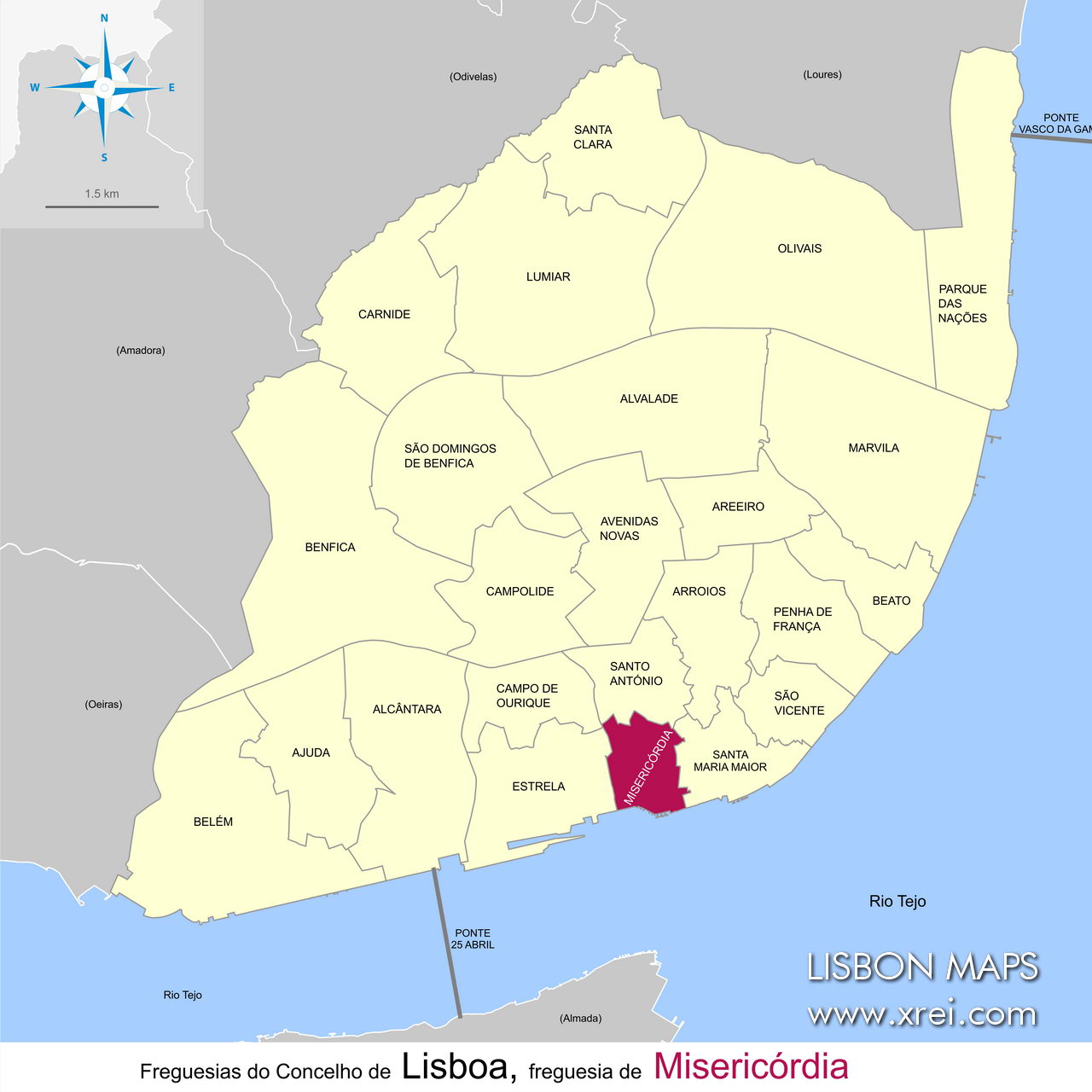
Misericórdian Freguesian (Príncipe Real) sijainti Lissabonin kartalla