
Braga
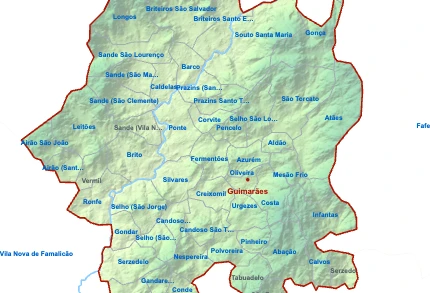
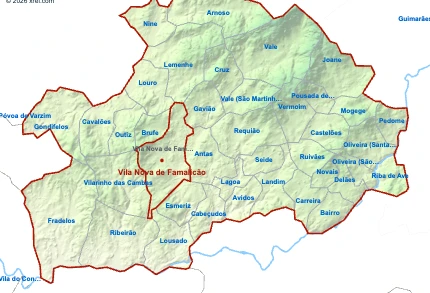
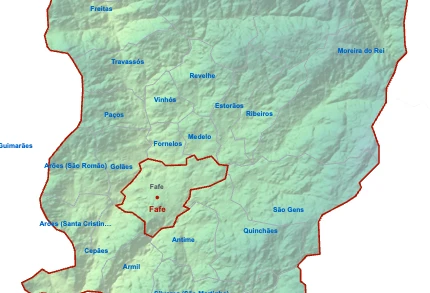
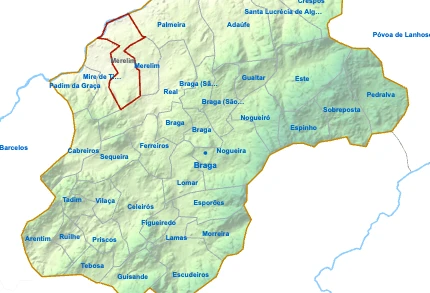
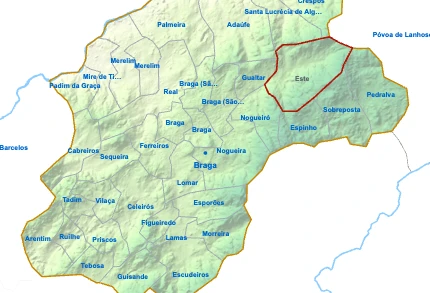
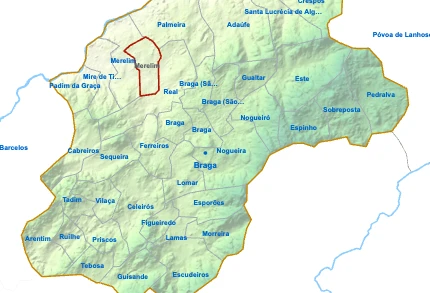
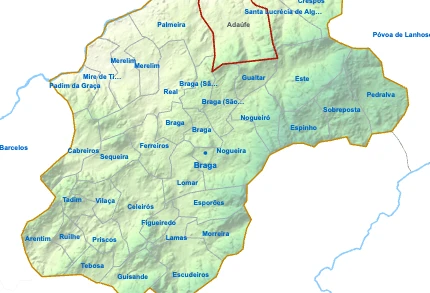
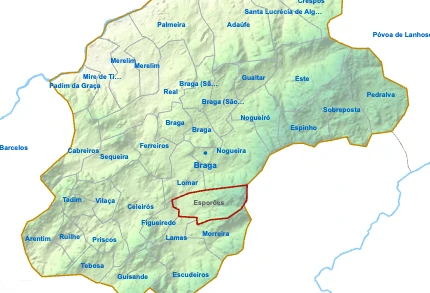
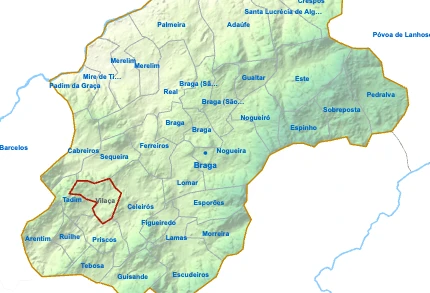
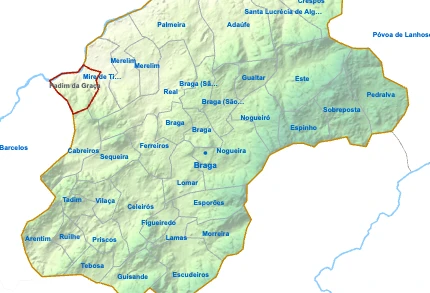
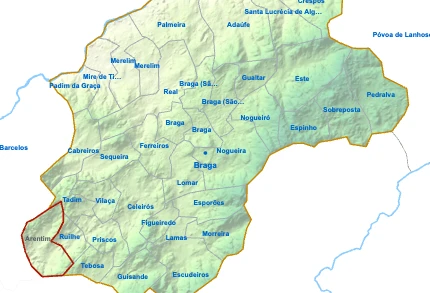
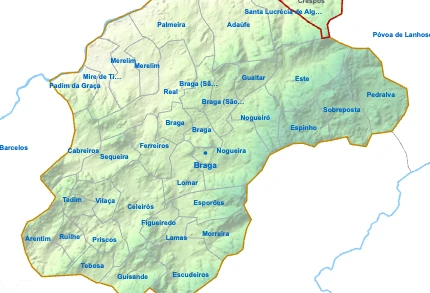
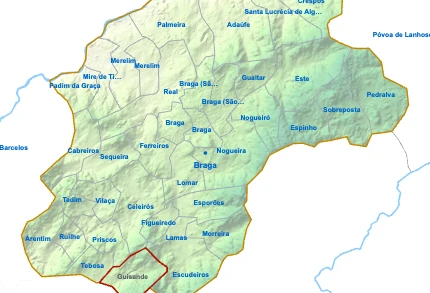
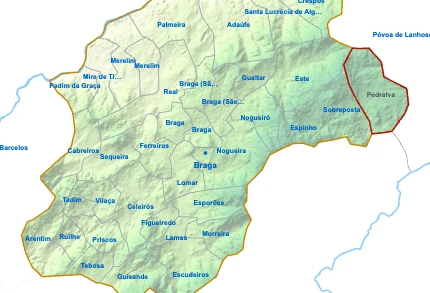
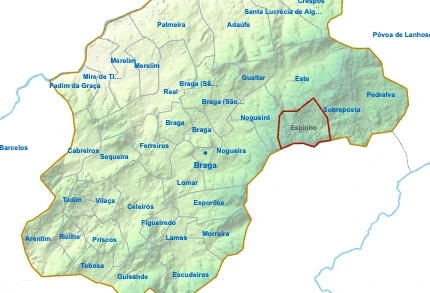
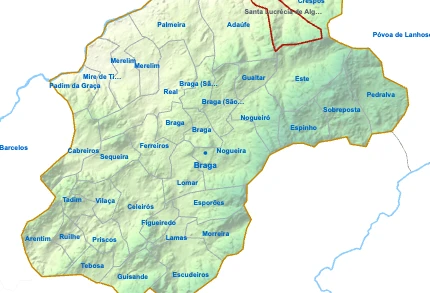
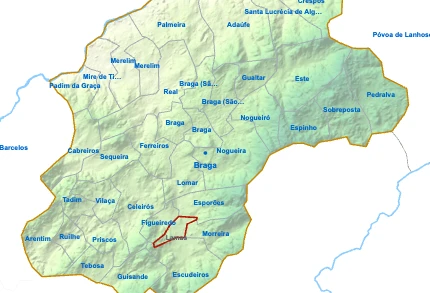
Braga ist eine der ältesten Städte Europas, gegründet 16 v. Chr. als „Bracara Augusta“ zu Ehren des römischen Kaisers Augustus. Im Herzen der Region Minho gelegen, ist Braga eines der wichtigsten religiösen Zentren Portugals mit 49 Kirchen und Kapellen. Sie ist bekannt als die Stadt der Erzbischöfe, die Stadt der Jugend und das portugiesische Rom. Heute ist Braga eine äußerst dynamische Stadt mit einer starken Wirtschaft in den Bereichen Handel und Dienstleistungen, Bildung und Forschung, Bauwesen, Informationstechnologie und neue Technologien, Tourismus sowie verschiedenen Industrie- und Handwerkszweigen. Braga hat einen bedeutenden Einfluss auf die Softwareindustrie und gilt weithin als das Silicon Valley Portugals. Sie wird als die Einzelhandelsmetropole Portugals beschrieben, mit der größten Fußgängerzone des Landes, die eine große Vielfalt an Geschäften – sowohl lokalen als auch internationalen – Dienstleistungsunternehmen und Restaurants mit Außenterrassen bietet. Braga bietet aufgrund seiner Geografie vielfältige und malerische Naturlandschaften: der Fluss Cávado im Norden, die Serra dos Picos im Süden (566 Meter über dem Meeresspiegel), die Serra dos Carvalhos im Osten (479 Meter über dem Meeresspiegel) und Famalicão und Barcelos im Westen. Die Stadt liegt 50 km vom internationalen Flughafen Porto und 100 km vom Flughafen Vigo entfernt.
Top 10 Sehenswürdigkeiten in Braga
Bom Jesus do Monte

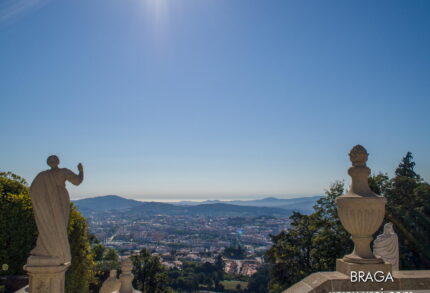
Bom Jesus do Monte ist ein katholisches Heiligtum, das dem Herrn Bom Jesus gewidmet ist und als UNESCO-Weltkulturerbe klassifiziert ist. Es befindet sich in Tenões am Rande von Braga. Das Heiligtum ist ein bemerkenswertes Beispiel für einen Wallfahrtsort, der sich auf die Treppe von Bom Jesus do Monte konzentriert, die in die Treppe des Portikus, die Treppe der Fünf Sinne und die Treppe der Drei Tugenden unterteilt ist. Entlang der Treppe befinden sich allegorische Zierbrunnen, die biblische Figuren darstellen, und die Via Sacra von Bom Jesus, die 14 Kapellen umfasst. An der Spitze steht die Igreja do Bom Jesus, flankiert von zwei Türmen und gekrönt von einem dreieckigen Giebel, neben den Gärten von Bom Jesus und dem Aufzug von Bom Jesus, der parallel zur Treppe am Hang verläuft. Das Heiligtum von Bom Jesus do Monte ist die meistbesuchte Attraktion von Braga.
Sé Catedral de Braga
Sé Catedral de Braga ist eine Kathedrale, die romanische, manuelinische und barocke Stile vereint und die Gräber der Eltern von Dom Afonso Henriques beherbergt: Heinrich von Burgund, Graf von Portucale, und seine Frau Teresa von León. Die Sé de Braga wurde während der frühen christlichen Evangelisierung der Iberischen Halbinsel zum Sitz des Bistums erhoben; der Heilige Jakobus der Ältere, einer der zwölf Apostel Jesu Christi, der im Jahr 44 das Martyrium erlitt, wird traditionell mit der Evangelisierung dieser Region in Verbindung gebracht.
Santuário de Nossa Senhora do Sameiro
Santuário de Nossa Senhora do Sameiro ist ein Marienheiligtum in Braga mit einem Hochaltar aus poliertem weißem Granit, einem silbernen Tabernakel und einer imposanten Treppe mit Statuen der Jungfrau Maria und des Heiligen Herzens Jesu an der Spitze. Eine der Hauptattraktionen des Santuário de Nossa Senhora do Sameiro ist der Blick über die Stadt Braga.
Avenida Central de Braga
Avenida Central de Braga ist eine der Hauptstraßen von Braga im historischen Stadtzentrum und einer der größten Plätze Nordportugals. Die Allee ist gesäumt von angesehenen Gebäuden, darunter die Basílica dos Congregados. Am oberen Ende der Avenida Central liegt die Praça da República, wo hinter der Igreja da Lapa der Bergfried des ehemaligen Castelo de Braga zu sehen ist.
Parque da Ponte
Parque da Ponte ist ein Stadtpark von 24.000 m², der 2011 mit einem nationalen Preis für öffentliche Räume ausgezeichnet wurde. Der Park nimmt den Standort der ehemaligen mittelalterlichen Brücke über den Rio Este ein, die einst die Route nach Guimarães bildete. Heute beherbergt der Park die Capela de São João Batista, das Messezentrum von Braga, den Complexo Desportivo da Ponte und den Parque de Campismo da Ponte.
Arco da Porta Nova
Arco da Porta Nova markiert die Stelle eines der Tore in der Stadtmauer, das ursprünglich 1512 geöffnet wurde. Der heutige barocke und neoklassizistische Bogen wurde 1772 erbaut und ist seit 1910 als Nationaldenkmal klassifiziert. Er ist das Werk von André Soares, einem bedeutenden portugiesischen Bildhauer und Architekten, der im 18. Jahrhundert in Nordportugal tätig war.
Parque da Praia Fluvial de Adaúfe
Parque da Praia Fluvial de Adaúfe ist ein beliebter Park in Braga mit einer großzügigen Rasenfläche und einem Flussstrand am Rio Cávado. Die Badesaison am Praia Fluvial de Adaúfe dauert von Juni bis September.
Mosteiro de São Martinho de Tibães
Mosteiro de São Martinho de Tibães ist ein imposantes Kloster aus dem 11. Jahrhundert, das seit 1944 als Kulturgut von öffentlichem Interesse klassifiziert ist. Das Kloster war der ausgewählte Austragungsort des 23. Iberischen Gipfeltreffens, das am 18. und 19. Januar 2008 in Portugal stattfand. Seit Februar 2010 bietet das Mosteiro de São Martinho de Tibães eine Pension mit 9 Zimmern und das Restaurant „Eau Vive de Tibães“ für die Öffentlichkeit an. Das Klostermuseum verlor 1834 einen Großteil der wertvollen Gemälde-, Skulpturen- und sakralen Kunstsammlung der Region nach der Veräußerung des Anwesens, zusammen mit einer umfangreichen Büchersammlung. Besucher können dennoch den Kulturerbepfad durch die Umgebung, die Architektur des Klosters, die Ruinen früherer Gebäude, den Wald, die Gärten und das landwirtschaftliche Land erkunden.
Castelo de Lanhoso
Castelo de Lanhoso, seit 1910 als Nationaldenkmal klassifiziert, ist eine der imposantesten Burgen Portugals. Sie wurde auf dem Gipfel des Monte do Pilar errichtet – einem großen Granitmonolithen – und liegt isoliert zwischen den Tälern der Flüsse Ave und Cávado. Innerhalb der Mauern steht das Heiligtum von Nossa Senhora do Pilar, ein Heiligtum aus dem 17. Jahrhundert, das aus Stein der ursprünglichen Mauern erbaut wurde. Auf halber Höhe des Hangs finden sich Spuren einer alten romanisierten Höhensiedlung.
Torre de Menagem do Castelo de Braga
Torre de Menagem do Castelo de Braga ist das, was vom Castelo de Braga übrig geblieben ist, das 1906 abgerissen wurde. Der Bergfried und mehrere Abschnitte der mittelalterlichen Mauern wurden 1910 zum Nationaldenkmal erklärt.
Weitere Sehenswürdigkeiten in Braga
Citânia de Briteiros ist eine archäologische Stätte aus der Eisenzeit, die 1875 vom Archäologen Martins Sarmento entdeckt wurde. Sie liegt auf dem Gipfel des Monte de São Romão in der Gemeinde Guimarães, nahe den Heiligtümern von Sameiro und Bom Jesus de Braga. Es handelt sich um eine Höhensiedlung mit den allgemeinen Merkmalen der Castro-Kultur des nordwestlichen Iberischen Halbinsel, mit Spuren lateinischer Inschriften, republikanischer und kaiserlicher Münzen, Fragmenten importierter Keramik (terra sigillata), Glaswaren und anderen Funden.
- Quinta Pedagógica de Braga ist ein traditioneller Bauernhof im Minho auf einer Fläche von etwa zweieinhalb Hektar, der umstrukturiert wurde, um die Umwelterziehung zu fördern und die Menschen wieder mit der Natur zu verbinden.
- Der Jardim de Santa Bárbara ist ein städtischer öffentlicher Garten neben dem mittelalterlichen Flügel des Paço Episcopal Bracarense. Er verfügt über einen Brunnen aus dem 17. Jahrhundert und eine Statue der Heiligen Barbara, die ursprünglich aus dem ehemaligen Convento dos Remédios stammt.
- Museu dos Biscainhos ist ein aristokratischer Palast mit großen Sälen mit verzierten Decken und barocken Gärten, die das tägliche Leben des Adels im 18. Jahrhundert zeigen, mit zahlreichen Hinweisen auf andere Bewohner des Ortes: Diener, versklavte Personen und Kapläne.
- Termas Romanas de Maximinus sind die Ruinen eines öffentlichen römischen Badekomplexes neben dem Forum der ehemaligen römischen Stadt Bracara Augusta.
- Parque do Monte do Picoto ist ein Waldpark auf dem Monte do Picoto, der einen Panoramablick über die Stadt Braga bietet.
- Museu de Arqueologia D. Diogo de Sousa ist ein Archäologiemuseum, das am 28. März 1918 gegründet wurde. Seine Sammlungen umfassen die Region Nordportugal von der Altsteinzeit bis zum Mittelalter. Zu den Höhepunkten gehören die als „feinste Sammlung römischer Meilensteine in ganz Europa“ beschriebene Sammlung, Tausende von Münzen aus der frühen Kaiserzeit und Zehntausende aus der späten Kaiserzeit, ein Fotoarchiv und Bilder verschwundener architektonischer und archäologischer Denkmäler.
- Igreja de São Vítor
- Palácio Raio, auch bekannt als Casa do Mexicano, ist ein Palast im barocken Joanine-Stil mit einer Fassade aus manuelinischen Fenstern, die in blaue Azulejo-Kacheln eingefasst sind. Der Palácio Raio beherbergt ein Museum für medizinische Geräte und Instrumente, die in der Gesundheitsversorgung verwendet wurden, sowie andere Objekte aus ehemaligen Krankenhäusern.
- Igreja do Pópulo
- Igreja da Santa Cruz, Braga
- Taipas Termal
- Basílica dos Congregados, die ehemalige Igreja dos Congregados im barocken und Rokoko-Stil, die 1975 von der Heiligen Stuhl den Titel einer Basilica minor erhielt und seit 1993 als Kulturgut von öffentlichem Interesse klassifiziert ist.
- Fonte do Ídolo
- Ponte de Prado
- Igreja Misericórdia
- Jardim do Museu dos Biscaínhos
- Igreja do Carmo
- Igreja de São Vicente, Braga
- Câmara Municipal de Braga
- Igreja da Lapa
- Museu Pio XII
- Mosteiro de Santo André de Rendufe
- Tribunal de Arcebispos
- Igreja de Santa Maria Madalena
- Igreja São Marcos
- Arquidiocese de Braga
- Castelo da Dona Chica
Aktivitäten in Braga
Braga hat eine starke Verbindung zum Sport, die durch die „Carta Desportiva de Braga“ – ein Dokument zur Charakterisierung von Sportaktivitäten und zur Identifizierung der am besten geeigneten Sportanlagen für die Bevölkerung – untermauert wird. Dieses Engagement für den Sport zeigt sich in Projekten wie „Boccia Sénior“, „BragActiva“ und „MEXE-TE Braga“ sowie in Einrichtungen wie dem Centro Municipal de Marcha e Corrida de Braga, den Schwimmschulen und dem Estádio Municipal de Braga. Das Handwerk von Braga – insbesondere sakrale Kunst, Saiteninstrumente (insbesondere Cavaquinho und Viola Braguesa), Azulejo-Kachelarbeiten und vergoldete Holzschnitzereien – nimmt einen prominenten Platz in den Traditionen der Stadt ein und ist eine wichtige Touristenattraktion. Die Förderung des handwerklichen Erbes von Braga zeigt sich im Wachstum kleiner Unternehmen, die Seifen, Marmeladen, Liköre, Schmuck, Puppen in regionaler Tracht und Geschäfte für religiöse Artikel herstellen.
Unternehmertum und Technologie in Braga
Braga verfügt über eine dynamische Wirtschaft und ein geschäftliches Umfeld, das sich ständig weiterentwickelt und innovativ ist. Dies spiegelt sich in einer akademischen Gemeinschaft von Weltrang, der Gründung und dem Wachstum des International Nanotechnology Laboratory – weltweit einzigartig in seiner Widmung an Nanotechnologien – und Startup Braga, einem Innovationszentrum, wider. Braga gilt als das nationale Silicon Valley aufgrund der hohen Konzentration von Softwareunternehmen, darunter Primavera Software (der führende portugiesische Softwarehersteller), Mobicomp (ein portugiesischer Marktführer für mobile Computing- und Kommunikationsgeschäftslösungen) und Edigma (ein portugiesischer Marktführer für digitales Projektmanagement und Interaktivität). Die Stadt investiert auch in Initiativen zur Unterstützung von Unternehmertum, darunter Via Verde Empresa, das Regime de Exceção de Empreendimentos Estratégicos und Regeneração Industrial.
Gastronomie von Braga
Braga bietet Besuchern eine reiche und vielfältige Küche mit Spezialitäten wie Bacalhau à Braga, Bacalhau à Narcisa, Papas de Sarrabulho, Rojões à Minhota, gebratenes Zicklein nach Braga-Art, gebratenes Kalbfleisch, Arroz de Pato à Moda de Braga, Bacalhau à Moda do Minho, Frigideiras, Caldo Verde mit Maisbrot, Pudim Abade de Priscos, Fidalguinhos, Pederneiras, Paciências, Suplícos, Cavacas de Morreira, Fatias Doces de Braga, Broinhas de Santo António, Sameirinhos, Charutos de Chila, Mexidos, Viúvas de Braga, Rabanadas und Aletria.
Weinregion Braga — Rio Cávado
- Alvarinho
- Mourisco de Braga oder Mourisco da Semente
Festivals, Messen und Wallfahrten in Braga
- Feierlichkeiten der Karwoche
- Romaria a São Vicente
- Internationales Folklorefestival
- Braga Romana: Reviver Bracara Augusta
- Festival de São João
- Gastronomisches Wochenende
- Vinho Verde Fest
- Gastronomia Viva
- Handwerksmesse
Routen in Braga
- Braga Jugendroute;
- Bracara Augusta Route;
- Mittelalterliche Braga Route;
- Barocke Braga Route;
- Portugiesischer Weg von Santiago de Compostela.
Schnelle Fakten über Braga
Braga ist die Hauptstadt des Distrikts Braga mit:
- Stadtbevölkerung: 110.000 Einwohner
- Gemeindeb Bevölkerung: 200.000 Einwohner
- Distrikt: Braga
- Region: Minho
- Zivilgemeinden: 37
- Gemeindefeiertag: 24. Juni
- Flussstrände: 4 (Praia Fluvial de Navarra, Praia Fluvial de Cavadinho in Crespos, Praia Fluvial de Adaúfe, Praia Fluvial de Merelim São Paio und die Freizeitanlage an der Ponte do Bico)
- Unternehmen: 19.000
- Hotels: 31
- Landtourismus-Immobilien: 4
- Hostels und Pensionen: 10
- Lokale Unterkünfte: 19
- Campingplätze: 1